What Is the Warmest Place in the World? How Hot Travel Cities Compare
Discover what is the warmest place in the world and compare hot travel cities like Dubai, Phoenix, and Las Vegas during their peak months.
What is the warmest place in the world and how do hot travel cities compare?
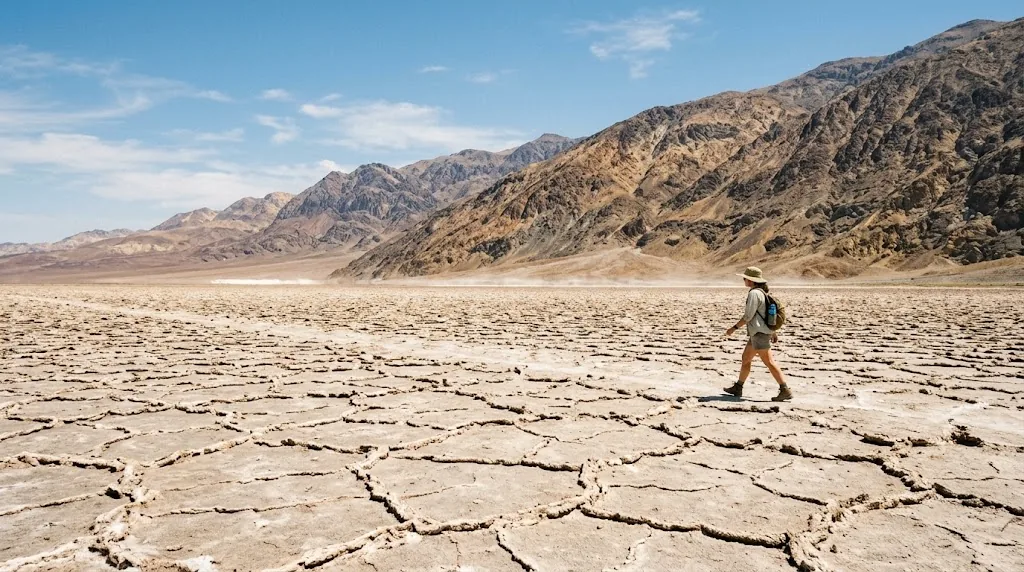
People often ask what is the warmest place in the world when they want to plan a vacation that practically guarantees sunshine, or when they just want to escape a freezing winter back home. If you look at places like Death Valley in California or the Lut Desert in Iran, you find famous global ground zeroes for extreme heat, but regular travel spots push impressive numbers too.
When you start packing your bags for a trip, knowing what you are walking into matters. Cities can bake under intense sunshine, turning a simple afternoon walk into a serious sweat session. Let us look at how some of the hottest travel destinations stack up during their peak warmth months, using solid twenty-year data from 2006 to 2025.
| Place | Month | Avg high °F/°C | Avg low | Rainy days | Sunshine |
|---|---|---|---|---|---|
| Dubai, UAE | July | 109°F / 42.8°C | 85.3°F | 0 | 12 hours a day |
| Dubai, UAE | August | 109.2°F / 42.9°C | 85.5°F | 0 | 11.7 hours a day |
| Phoenix, Arizona | July | 105.6°F / 40.9°C | 84°F | 5 | 12.4 hours a day |
| Las Vegas, Nevada | July | 103.8°F / 39.9°C | 80.8°F | 2 | 13.4 hours a day |
| Bangkok, Thailand | April | 93.7°F / 34.3°C | 80.1°F | 12 | 11 hours a day |
| Singapore | May | 84.9°F / 29.4°C | 79°F | 28 | 10.1 hours a day |
What Is the Warmest Place in the World: The Quick Answer
Geography plays a massive role in baking certain regions. Cities sitting near vast desert expanses trap heat because dry air heats up and cools down much faster than humid air. Honestly, I would skip these places if you hate heavy dry heat that feels like an open oven door. You walk outside and the air hits your face like a blast from a hot clothes dryer. It is intense, relentless, and demands total respect if you plan to survive walking down any sidewalk.
What is a day like in Dubai during peak summer?
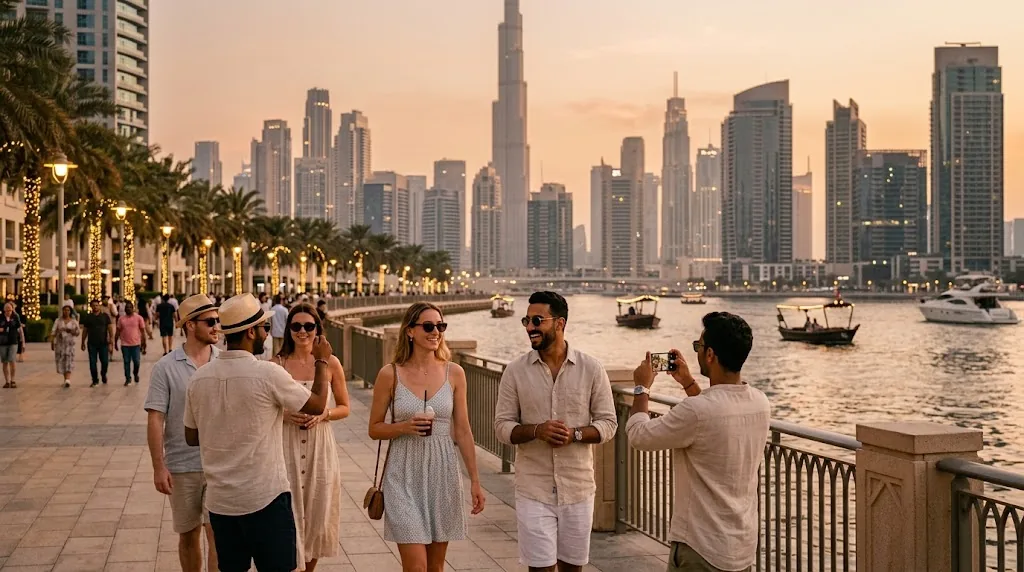
Take Dubai during peak summer. In July, you get an average high of 109°F / 42.8°C alongside an average low of 85.3°F, with 0 rainy days and 12 hours of sunshine a day. Things tick up just a fraction by August, which records an average high of 109.2°F / 42.9°C, an average low of 85.5°F, 0 rainy days, and 11.7 hours of sunshine daily. You will not see a single drop of rain to cool things off. The pavement radiates heat long after the sun goes down, meaning night time walks still require air conditioning nearby. Street life shifts entirely indoors to massive air conditioned malls, indoor ski slopes, and underground metro networks. Pack light linen shirts, breathable cotton trousers, and sunglasses with heavy UV protection. Sunscreen isn't optional here; apply it constantly. Honestly, if you try to sightsee outdoors between noon and four in the afternoon in Dubai, you will regret your life choices immediately. Peak summer daily routines involve sleeping late, working or exploring indoor marvels during daylight hours, and stepping outside only after sunset when the air finally drops below ninety degrees.
Record temperatures in the broader region have famously crossed past 125 degrees Fahrenheit during historic heatwaves, though normal twenty-year averages sit firmly where our numbers show. When visiting in July or August, you must book skip-the-line tickets for major indoor attractions like the Burj Khalifa or Dubai Mall. Never assume you can just stroll up and buy tickets outside in that weather. The heat strips your energy within ten minutes, making advanced scheduling a literal lifesaver. Keep a bottle of cold water in hand constantly, and take advantage of the air-conditioned bus shelters equipped with closing doors that dot the city landscape.
How does Phoenix handle its scorching July heat?
American desert hubs hold their own against Middle Eastern heat. Phoenix in July hits an average high of 105.6°F / 40.9°C and an average low of 84°F. You do catch 5 rainy days on average, but that often just spikes the humidity temporarily rather than lowering the temperature much. Monsoon storms roll in unexpectedly during mid-summer, dumping heavy rain onto sun-baked asphalt, creating massive dust storms known locally as haboobs. Driving through one of those requires pulling over immediately because visibility drops to zero in seconds. A typical July day in Phoenix means waking up at dawn to hike Camelback Mountain before the sun crests the ridge, then retreating indoors by nine in the morning. Afternoon hours are spent browsing air-conditioned museums or cooling off at resort pools where misters blast cold water over lounge chairs. Honestly, dipping into a Phoenix hotel pool in July feels less like a luxury and more like stepping into a life support unit. Evening patio dining only becomes feasible after midnight when the desert wind finally settles down into a warm breeze.
What makes Las Vegas in July a neon-lit furnace?
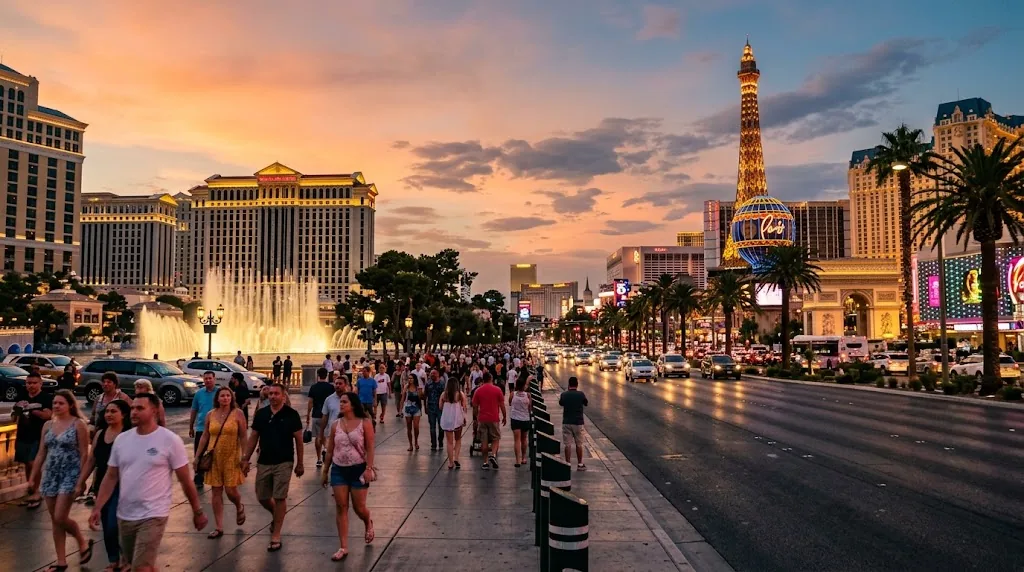
Las Vegas in July brings an average high of 103.8°F / 39.9°C and an average low of 80.8°F, backed by 2 rainy days and a dazzling 13.4 hours of sunshine a day. The Strip turns into a wind tunnel of hot air blowing off the Mojave Desert. Pools become absolute mandatory zones for survival, though resort pools often feel like warm bathwater because the desert sun heats the water up so thoroughly. You need wide-brimmed hats, electrolyte packets for your water bottles, and comfortable sandals that do not melt on boiling concrete. Honestly, locals in Las Vegas and Phoenix spend their summers moving strictly from one air-conditioned cave to another, living nocturnal schedules where outdoor activities happen only after the sun dips below the mountains at nine o'clock at night. Walking between mega-resorts on the Strip looks short on a map, but overestimating your heat tolerance on a mile-long asphalt stretch will end in severe dizziness. Take the indoor casino shortcuts, use the pedestrian bridges equipped with escalators, and drink double the water you think you need.
What should you wear when visiting these furnace cities? Stick to loose linen, light cotton, and wide-brimmed hats. Book your outdoor sightseeing for the early morning hours before ten o'clock. By noon, you want to be indoors where powerful air conditioning keeps life tolerable. A common mistake travelers make is underestimating how quickly dehydration creeps up when the air is that dry. You stop sweating visibly because the air drinks the moisture right off your skin, which tricks you into thinking you are fine until a sudden headache hits. Carry a metal insulated water bottle filled with ice water everywhere you go, and refill it at every single chance you get.
How does tropical heat compare to desert heat?
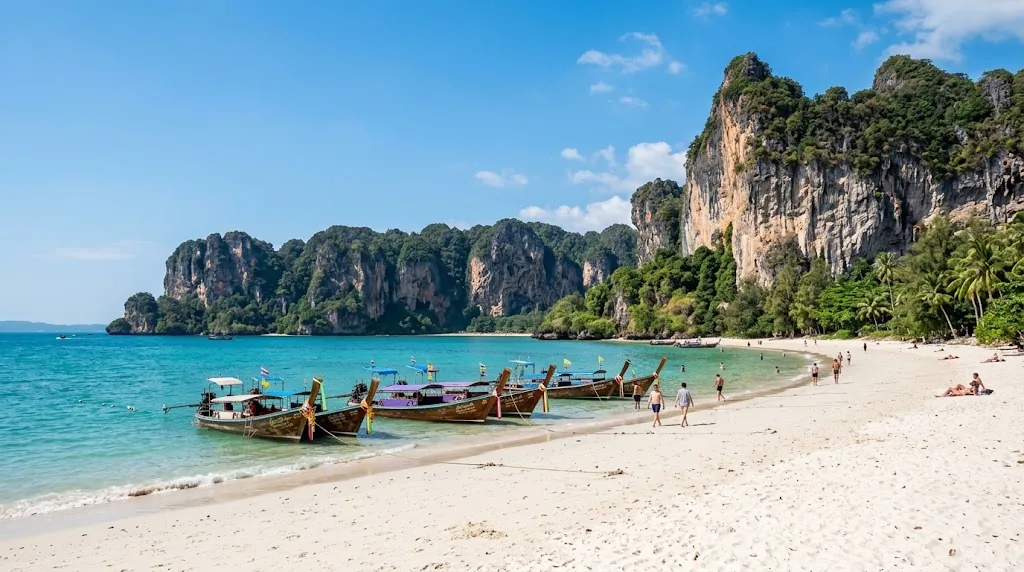
Tropical warmth feels entirely different from desert baking. When you look at Bangkok in April, the average high hits 93.7°F / 34.3°C with an average low of 80.1°F. While the temperature numbers look lower than Dubai or Phoenix, the atmosphere carries heavy moisture. You get 12 rainy days and 11 hours of sunshine daily, meaning sudden tropical downpours can soak you in minutes. The air feels thick, heavy, and practically chewable. Songkran festival hits Bangkok right in the middle of this boiling month, bringing massive water fights across the city streets. People dump buckets of freezing water on each other to combat the stifling heat, turning the steamy atmosphere into a massive celebration. You need clothes that dry instantly because sweat and rain will combine to drench you completely. Street food stalls keep operating through the furnace, but sitting near a roaring wok in April weather tests your stamina. Honestly, drinking iced Thai iced tea by the gallon becomes a survival strategy rather than a treat. Walking around the Grand Palace requires carrying a portable fan and a wet towel just to keep your core temperature stable.
What is Singapore like during its muggy May season?
Singapore takes a different route altogether. In May, Singapore records an average high of 84.9°F / 29.4°C and an average low of 79°F. The temperature rarely spikes into the triple digits, but the island sees 28 rainy days on average alongside 10.1 hours of sunshine. Frankly, it feels like walking inside a warm steam room most of the day. Afternoon thunderstorms arrive with clockwork precision, opening up the heavens and dropping sheets of warm rain before the sun comes back out to bake the wet pavement into a steaming greenhouse. Walking around Marina Bay requires an umbrella for both rain and sun protection. You step out of an air-conditioned subway station and your camera lens fogs up instantly. Singaporeans cope by living underground through an extensive network of air-conditioned walkways connecting shopping malls and transit hubs. Pack technical athletic fabrics, moisture-wicking socks, and deodorant you can reapply throughout the day. Honestly, if you hate humidity clinging to your skin like a wet blanket, Singapore in May will test every ounce of your patience.
Who should avoid these tropical spots? If you despise sweating through your shirt within five minutes of stepping outside, tropical spring or early summer will test your patience. People with respiratory sensitivities can also struggle with the heavy, stagnant air trapped by seasonal urban haze and high humidity. Travelers looking for crisp, breezy weather will find zero comfort here. You need to embrace the sweat or stay inside air-conditioned sanctuaries until evening breezes bring slight relief.
What are the hottest tourist destinations you can actually visit?
While extreme uninhabited spots grab headlines, travelers looking for intense sun choose between deep desert oases and tropical lowlands. Cities like Dubai, Phoenix, and Las Vegas represent the pinnacle of accessible extreme heat where modern infrastructure protects you with heavy air conditioning. If you prefer high humidity over baking sun, Bangkok and Singapore offer urban adventures wrapped in year-round warmth. Planning a trip to any of these locations means accepting that your daily schedule must adapt to the weather rather than the other way around. Choosing the right month ensures you get maximum sunshine without hitting catastrophic weather blocks, though you must always respect local heat advisories.
What essential items should you pack for extreme heat travel?
Packing for a furnace destination takes tactical preparation. Leave heavy denim and tight synthetic clothes at home. Bring lightweight, loose-fitting linen shirts, wide-brimmed hats that shade your neck, and UV-blocking sunglasses. Footwear matters immensely; thin soles on shoes will conduct heat straight from boiling asphalt up into your feet, so pick thick-soled walking sandals or breathable mesh sneakers. Bring an insulated stainless steel water bottle to keep ice water cold for hours in the trunk of a car. Pack high-SPF broad-spectrum sunscreen, electrolyte powder packets to combat salt depletion, and anti-chafing balm if you plan on walking long distances in high humidity. A small portable hand-held fan, either battery-operated or rechargeable via USB, will save your sanity while standing in outdoor queue lines.
What are the most common mistakes travelers make in hot weather?
Making rookie heat mistakes can ruin a vacation faster than lost luggage. The number one error is drinking only plain water without replacing lost electrolytes, which leads directly to severe heat exhaustion and hospital visits. Another major trap is trying to maintain a normal sightseeing pace during the peak afternoon hours between twelve and four o'clock. Travelers also frequently assume that rental cars and older hotels have powerful enough air conditioning to handle desert extremes, only to spend sleepless nights sweating in a warm room. Finally, failing to check local weather apps for sudden heat advisories or monsoon flash flood warnings in places like Phoenix can put you right in the middle of dangerous environmental hazards.
What practical steps should you take before booking a hot weather trip?

Planning a trip to an extremely warm destination requires more than just tossing shorts into a suitcase. You need to map out your itinerary carefully. Check out our trip planner to organize your daily schedule around peak heat hours. Give yourself permission to do absolutely nothing between one and four in the afternoon. Schedule museum visits, long lunches, or hotel pool lounging during those brutal window hours.
Make sure your hotel features reliable, modern climate control. Old buildings in historic districts sometimes struggle to keep up when outside temperatures soar past 105 degrees. Read recent reviews specifically mentioning air conditioning performance before booking any boutique hotel. Renting a car with working AC is another must, because walking between attractions during the afternoon in Phoenix or Las Vegas can turn dangerous very quickly. Test the AC in your rental car before driving off the lot; a broken compressor in the middle of a desert highway turns a fun road trip into an emergency.
Keep a close eye on official forecasts from trusted meteorological organizations like NOAA before you head out the door. Staying informed helps you avoid unexpected heat advisories and keeps your vacation safe and fun. Stock up on electrolyte replacement tablets, wear high SPF sunscreen, and listen to your body when fatigue creeps in. Extreme heat takes a toll on physical energy levels, so pacing yourself makes the difference between an incredible adventure and an exhausted hotel room retreat.
Frequently asked questions
What is the warmest place in the world?
While places like Death Valley in California and the Lut Desert in Iran hold records for extreme global ground temperatures, major travel destinations also reach incredible highs, such as Dubai averaging 109.2°F / 42.9°C in August.
How hot does Dubai get in summer?
Dubai experiences extreme desert heat during peak summer months. July records an average high of 109°F / 42.8°C with an average low of 85.3°F, while August edges slightly higher to 109.2°F / 42.9°C with an average low of 85.5°F and zero rain.
What are summer temperatures like in Phoenix and Las Vegas?
Phoenix in July hits an average high of 105.6°F / 40.9°C with an average low of 84°F, while Las Vegas in July reaches an average high of 103.8°F / 39.9°C with an average low of 80.8°F.
How does tropical heat compare to desert heat in travel cities?
Tropical cities feature lower absolute temperature numbers but massive humidity. Bangkok in April averages 93.7°F / 34.3°C with 12 rainy days, while Singapore in May averages 84.9°F / 29.4°C with 28 rainy days, feeling like a steam room.