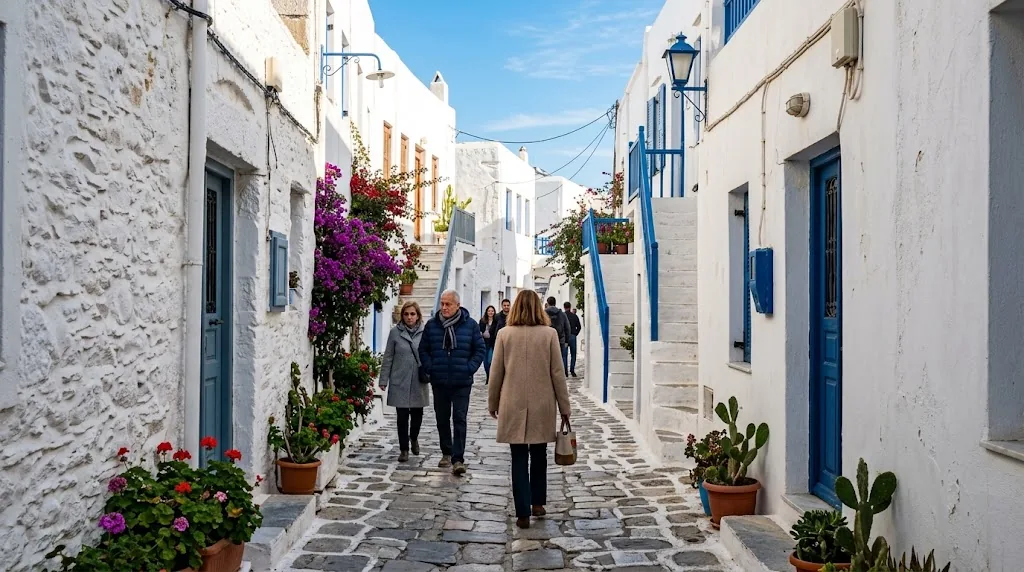
Where in Europe Is Warm in December? 8 Mild Cities
Seville and Valencia average highs of 61.3°F in December. Compare 8 mild European cities by temperature, sunshine, and rainy days before planning your trip.
If you're wondering where in europe is warm in december, start with southern Spain, where Seville and Valencia average highs of 61.3°F (16.3°C), with 7.4 and 7.6 hours of daily sunshine, respectively. Mainland Europe isn't beach-warm in December, but these southern destinations offer mild afternoons, outdoor sightseeing, and a welcome break from colder winter weather back home.
The trick is knowing what kind of warmth you're after. If you want to explore historic streets without bundling up in a heavy winter coat, southern Spain and Portugal are strong choices. If you prefer Mediterranean food, coastal walks, and ancient ruins, Greece, Italy, and southern France can work, too. Just expect cooler evenings, occasional rain, and temperatures that don't always cooperate with outdoor plans.
I've compared eight relatively mild European cities using 20-year weather averages from 2006 through 2025. You'll find their average highs and lows, rainy days, and daily sunshine below, along with practical advice on what to pack and which destination suits your kind of trip.
Where in Europe is warm in December? Compare the 8 mildest cities
These eight destinations are arranged from the highest average daytime temperature to the lowest. The differences might look small on paper, but a few degrees can make an afternoon walking tour considerably more comfortable, especially when the sun is out.
| Place | Avg high °F/°C | Avg low | Rainy days | Sunshine |
|---|---|---|---|---|
| Seville, Spain | 61.3°F / 16.3°C | 46°F | 6 | 7.4 hours/day |
| Valencia, Spain | 61.3°F / 16.3°C | 46.8°F | 4 | 7.6 hours/day |
| Antalya, Turkey | 59.9°F / 15.5°C | 45.7°F | 12 | 7.2 hours/day |
| Lisbon, Portugal | 58.8°F / 14.9°C | 50°F | 9 | 7.4 hours/day |
| Barcelona, Spain | 57.4°F / 14.1°C | 43.2°F | 5 | 7.4 hours/day |
| Athens, Greece | 57.2°F / 14°C | 45.9°F | 8 | 7.2 hours/day |
| Rome, Italy | 55.4°F / 13°C | 41.5°F | 10 | 6.7 hours/day |
| Nice, France | 55.2°F / 12.9°C | 43.3°F | 8 | 7 hours/day |
These figures are long-term averages, not a promise about the weather on your travel dates. A sunny afternoon can feel pleasantly mild, while a cloudy, windy day may call for a warmer jacket. Average daytime highs also tell you very little about how comfortable you'll feel after sunset.
One useful detail stands out immediately: Valencia combines a high average temperature with just 4 rainy days and 7.6 hours of daily sunshine. Seville matches its average high, while Antalya has a similar daytime temperature but a much higher average number of rainy days.
If you're choosing a destination primarily for outdoor sightseeing, don't look at temperature alone. Rain and sunshine can matter just as much.
Where in Europe Is Warm in December: the quick answer
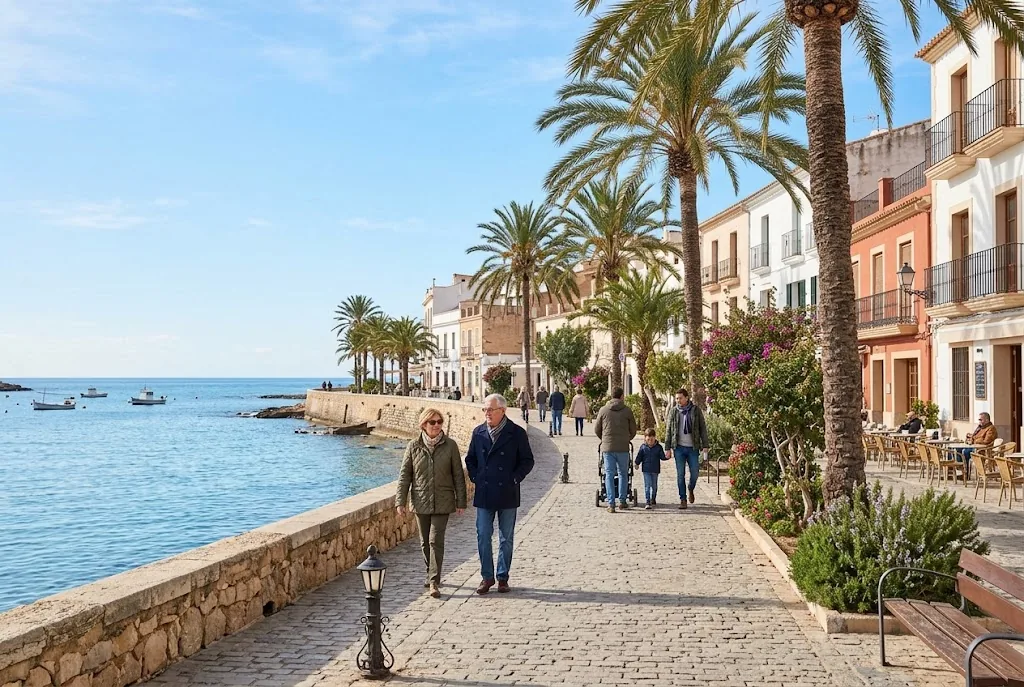
Southern Spain is one of the best places to start your search. Seville and Valencia share the highest average daytime temperature in this comparison, at 61.3°F (16.3°C). Both can be appealing for travelers who want to walk around historic neighborhoods, enjoy long lunches, and spend time outdoors without dealing with severe winter cold.
Valencia has the edge on average sunshine and rainy days. Seville, meanwhile, is an excellent option if your idea of a winter getaway involves architecture, plazas, and tapas rather than spending time beside the sea.
Lisbon is another sensible choice, especially if you want milder nights. Its average low is 50°F, the highest among these eight destinations. That doesn't mean every evening will be comfortable in a light shirt, though. Bring layers, and don't assume the city will stay dry throughout your visit.
Antalya deserves a place on your shortlist if you like Mediterranean scenery and want a different atmosphere from Spain or Portugal. Its average high reaches 59.9°F (15.5°C), but the average of 12 rainy days makes it a less dependable choice for a trip built around outdoor activities.
My advice: if you're visiting mainland Europe specifically to escape winter, aim for the southern end of the continent and plan activities around daylight. You'll have a better chance of enjoying mild afternoons without expecting summer conditions that December simply doesn't deliver.
Is southern Spain warm enough for a December vacation?
For many American travelers, yes. Southern Spain offers some of the most appealing daytime temperatures in this comparison, and its major sights lend themselves to a relaxed walking holiday.
Why choose Seville?
Seville in December averages a high of 61.3°F (16.3°C), a low of 46°F, 6 rainy days, and 7.4 hours of sunshine per day. Those conditions are well suited to exploring the historic center, visiting major landmarks, and sitting outside for lunch when the weather cooperates.
Seville's appeal isn't dependent on beach weather. You can spend the day admiring its architecture, stopping for coffee, and wandering between plazas without building your whole itinerary around swimming or sunbathing.
Plan outdoor sightseeing for the brighter part of the day. Once evening arrives, the average low of 46°F becomes more relevant, so bring a warm layer for dinner and the walk back to your hotel.
Honestly, I'd put Seville near the top of the list for anyone who cares more about comfortable sightseeing than coastal scenery.
Would Valencia be a better choice?
Valencia in December has the same average high as Seville, at 61.3°F (16.3°C), but it averages a slightly milder low of 46.8°F. It also records 4 rainy days and 7.6 hours of sunshine per day in the supplied climate data.
Those figures make Valencia particularly attractive if you're trying to maximize the time you can spend outdoors. You can mix city sightseeing with walks along the waterfront, explore local food markets, and take breaks at outdoor cafes on suitable afternoons.
Don't confuse the city's coastal location with a guarantee of swimming weather. The air may be mild when the sun is shining, but December isn't the time to book Valencia expecting a traditional beach holiday.
Choose Valencia if you want a coastal city and relatively favorable sunshine statistics. Choose Seville if its architecture and historic atmosphere appeal to you more. Both are strong choices for a winter city break.
For more planning inspiration, the official Spain tourism website is a useful place to research attractions and regional experiences before booking.

Is Antalya warm in December, and is the rain a problem?
Antalya in December averages a high of 59.9°F (15.5°C) and a low of 45.7°F. It receives 7.2 hours of sunshine per day on average, but the climate data also shows 12 rainy days.
That combination makes Antalya an interesting option, but not an automatic winner. Daytime temperatures can be pleasant for sightseeing when the sun is out. Coastal walks, historic sites, and exploring the surrounding area can all fit a winter itinerary.
The rain is the part you need to take seriously. If your ideal vacation means sitting beside a pool every afternoon or spending most of your time outdoors, you could find the conditions frustrating. Keep indoor alternatives in mind and avoid planning every day around clear skies.
Antalya may suit travelers who want a Mediterranean setting, a slower pace, and a destination that feels different from the major Western European capitals. It's less suitable if dependable dry weather is your main requirement.
Pack a waterproof jacket, comfortable shoes that can handle wet streets, and layers for cooler evenings. Check the forecast before committing to longer outdoor excursions.
Is Lisbon warm enough to visit in December?
Lisbon in December averages a high of 58.8°F (14.9°C), a low of 50°F, 9 rainy days, and 7.4 hours of sunshine per day.
The daytime high is lower than those of Seville and Valencia, but Lisbon's average low is the mildest among the eight cities in the table. That makes it worth considering if cold evenings are something you'd rather avoid.
Lisbon works particularly well for travelers who enjoy a mix of viewpoints, historic neighborhoods, cafes, museums, and local food. You don't need perfect weather to have a satisfying visit, and there are plenty of ways to adjust your day when clouds or rain roll in.
Still, nine average rainy days mean wet weather is a realistic possibility. Pack a waterproof outer layer, and don't rely on a small umbrella as your only protection if you plan to walk around for hours.
Another practical consideration is the city's hills and uneven streets. Comfortable footwear matters more than bringing a different outfit for every occasion. Wet pavement and steep walks aren't a great combination with slippery shoes.
Lisbon is a good fit for a flexible city break, especially if you value food, views, and neighborhoods over outdoor swimming. Travelers seeking consistently dry weather may prefer Valencia based on the averages in this comparison.
For official travel ideas, visit Visit Portugal before deciding how to divide your time between Lisbon and other destinations.
Is Barcelona warm enough for a December city break?
Barcelona in December averages a high of 57.4°F (14.1°C), a low of 43.2°F, 5 rainy days, and 7.4 hours of sunshine per day.
Barcelona is cooler than Seville and Valencia, but it still offers reasonable conditions for a winter sightseeing trip. The average of just 5 rainy days is appealing if you'd rather spend your time walking around the city than waiting out showers.
Think architecture, museums, neighborhood cafes, markets, and coastal walks rather than swimming and sunbathing. A sunny afternoon can be lovely, but the lower evening temperatures make warm layers a good idea.
Barcelona also makes sense if you prefer a larger city with plenty to do when the weather turns. You can move between indoor attractions and outdoor stops without having to abandon your plans completely.
One mistake to avoid is packing only light clothing because the city sits on the Mediterranean. An average high of 57.4°F is cool enough that you'll appreciate a proper jacket, particularly in the morning and after sunset.
Pick Barcelona if you want a city-focused trip with some outdoor time and a relatively low average number of rainy days. If the warmest possible afternoons are your priority, Valencia is the stronger option in this comparison.
Can you enjoy Athens in December?
Athens in December averages a high of 57.2°F (14°C), a low of 45.9°F, 8 rainy days, and 7.2 hours of sunshine per day.
For travelers interested in ancient history, museums, and Greek food, those conditions can work well. You can explore archaeological sites and historic streets without the intense heat that can make sightseeing tiring in warmer seasons.
The key is being realistic about the weather. Fourteen degrees Celsius is mild compared with a freezing winter day in much of the United States, but it isn't reliably warm enough for sitting outside all day without an extra layer.
Build a flexible schedule. Visit outdoor attractions when the forecast looks favorable, then keep museums and indoor stops available if showers arrive. The average of 8 rainy days means wet weather is possible during a longer stay.
Athens is a better choice for a culture-focused winter break than for a beach escape. If you want archaeological sites, city walks, and long meals, it deserves consideration. If warm afternoons are your main goal, Seville and Valencia have the advantage in this set of destinations.
Is Rome a good place to visit in December?
Rome in December averages a high of 55.4°F (13°C) and a low of 41.5°F. The city receives 6.7 hours of sunshine per day on average and records 10 rainy days.
Rome isn't one of the warmest choices here, but it can still be a rewarding winter destination. Its historic streets, churches, museums, and famous archaeological sites give you plenty of reasons to visit without relying on beach weather.
Daytime sightseeing can feel comfortable when the sun is shining, but the lower average temperature and cooler evenings make a warm coat more useful than you might expect. A sweater and a light jacket may be enough on some afternoons, but don't count on that every day.
Rain can also affect outdoor plans, particularly if you have several long walks scheduled. Waterproof footwear and a flexible itinerary will make the trip easier.
I'd choose Rome because I wanted to experience its history and food, not because I was chasing the warmest weather in Europe. If you feel the same way, December can be a sensible time to focus on the city's cultural attractions.
If temperature is your deciding factor, however, Seville, Valencia, Antalya, and Lisbon all have higher average daytime highs in this comparison.
Should you visit Nice in December for mild weather?
Nice in December averages a high of 55.2°F (12.9°C), a low of 43.3°F, 8 rainy days, and 7 hours of sunshine per day.
Nice offers a milder winter setting than many northern European destinations, but it isn't especially warm compared with southern Spain. Its appeal is better understood as a relaxed Mediterranean city break than as a winter sunbathing destination.
Take walks along the waterfront, explore the old town, enjoy local food, and leave room for indoor stops when the weather changes. A sunny day can make the coastal setting feel inviting, but cooler temperatures and rain remain part of the picture.
The average high of 55.2°F is a reminder to pack for autumn-like conditions rather than summer. Bring a medium-weight jacket, layers, and shoes you can wear comfortably on long walks.
Nice suits travelers who value the French Riviera atmosphere and don't need high temperatures to enjoy being outside. If you're mainly trying to maximize warmth, Valencia or Seville is a better match.
How cold are London and Paris compared with southern Europe?
London and Paris are included here for comparison, not as recommendations for travelers specifically seeking warm December weather. Their average temperatures and sunshine figures show how different the experience can be farther north.
What is London like in December?
London in December averages a high of 46.9°F (8.3°C), a low of 38.1°F, 11 rainy days, and 3.6 hours of sunshine per day.
London can be an excellent winter city break if you want museums, theaters, indoor attractions, and seasonal city activities. But its average high is substantially lower than the figures for southern Spain, and daily sunshine averages just 3.6 hours.
Pack a warm coat, layers, and waterproof footwear. If your goal is to escape cold weather, London probably isn't the destination you're looking for.
How does Paris compare?
Paris in December averages a high of 46.4°F (8°C), a low of 37.2°F, 13 rainy days, and 3.6 hours of sunshine per day.
Paris remains appealing for art, restaurants, museums, and indoor sightseeing, but the climate data is less encouraging for anyone chasing sunshine. Its average high is lower than London's, and the figures show 13 rainy days.
Take a warm coat and plan around indoor attractions as well as outdoor walks. Paris makes sense when the city itself is the reason for your trip, not when mild weather is the main objective.
Between these two cities and the southern destinations in the table, the difference is clear. Seville and Valencia average 61.3°F during the day, while London and Paris average highs below 47°F.
What should you wear in Europe in December?
For most of these destinations, the safest approach is to pack layers. You want to be comfortable during a sunny afternoon without getting cold when temperatures drop in the evening.
- Bring a light or medium-weight jacket. It's useful for daytime walks in the warmer cities and essential when the temperature falls after sunset.
- Pack a sweater or fleece. You can add it during cool mornings, windy afternoons, or evenings outside.
- Take a waterproof outer layer. Antalya averages 12 rainy days, while Paris averages 13. Even cities with fewer rainy days can experience showers during your visit.
- Choose comfortable walking shoes. You'll probably spend plenty of time on foot, and wet or uneven streets can make unsuitable footwear a nuisance.
- Bring a compact umbrella if you prefer one. A rain jacket can be easier to manage on windy days, but both can be useful depending on your plans.
- Pack clothes you can combine. Several interchangeable layers are more useful than packing exclusively for warm afternoons.
You don't need to pack as if you're heading into a deep freeze, but don't plan your entire wardrobe around the highest average temperature, either. The difference between an afternoon high and an evening low can be significant.
How can you get the most sunshine on a December trip?
Start by choosing a destination with favorable sunshine averages, then plan your days around daylight and the forecast. Valencia leads this group with 7.6 hours of daily sunshine on average, followed by Seville, Lisbon, and Barcelona at 7.4 hours each.
Those numbers describe long-term averages. They don't mean the sun will shine for exactly that length of time every day, nor do they tell you when clear skies will occur during your trip.
- Schedule outdoor attractions for the brighter part of the day. Use the forecast to decide when to visit major sights, waterfront areas, and viewpoints.
- Keep indoor alternatives ready. Museums, markets, galleries, and cafes make it easier to adjust when rain interrupts your plans.
- Check the forecast before booking day trips. This is especially useful in Antalya, where the average of 12 rainy days makes weather flexibility important.
- Leave room in your itinerary. Avoid arranging every outdoor activity back-to-back if a rainy day would make the schedule difficult to change.
- Think about the evening temperature. You may enjoy a mild afternoon and still need a warmer coat for dinner.
There's also a difference between sunshine and warmth. A sunny afternoon can feel pleasant even when the air temperature is modest, but wind and shade can change how comfortable you feel. Use the climate averages to narrow your options, then check a current forecast as your trip approaches.
When should you book a December trip to Europe?
Book flights and accommodation once you've settled on your destination and dates, particularly if your trip overlaps with the Christmas and New Year holiday period. Popular hotels and well-located rooms can be limited around major holiday dates, and waiting may leave you with fewer choices.
Before paying, check the hotel's heating arrangements, cancellation policy, and location. A central hotel can make a winter city break easier because you can return to your room to warm up or change clothes between activities.
Consider how much of your itinerary depends on the weather. If you're planning a trip around outdoor excursions, give yourself some flexibility. If you're mainly interested in museums, architecture, restaurants, and historic neighborhoods, you can be less dependent on sunny conditions.
It's also sensible to check attraction opening times before traveling. Holiday schedules can differ from ordinary operating hours, and some places may have special arrangements during the festive period.
Use the WeatherApex trip planner to organize your destination ideas and build a practical itinerary around the weather information. Once you've chosen your dates, check the latest forecast and any attraction-specific updates before you leave.
Which European city should you choose for December?
The best destination depends on what you want to do, but the climate averages offer a useful starting point.
- Choose Seville if you want warm daytime conditions, historic architecture, and a sightseeing-focused trip. Its average high is 61.3°F (16.3°C), with 6 rainy days.
- Choose Valencia if you want the same average high as Seville, more average sunshine, and fewer rainy days. It records 7.6 sunshine hours daily and 4 rainy days.
- Choose Antalya if you like Mediterranean scenery and can adapt your plans around rain. Its average high is 59.9°F (15.5°C), but it has 12 rainy days.
- Choose Lisbon if you want a city break with a relatively mild average low of 50°F, along with food, views, and historic neighborhoods.
- Choose Barcelona if you want a coastal city with plenty of culture and an average of 5 rainy days, while accepting cooler daytime temperatures than in Valencia.
- Choose Athens if ancient history and museums matter more to you than beach weather. Its average high is 57.2°F (14°C).
- Choose Rome if historic landmarks and Italian food are your main priorities, rather than finding the warmest destination.
- Choose Nice if you prefer a French Riviera city break and are comfortable with an average high of 55.2°F (12.9°C).
London and Paris can still be wonderful December destinations, but they belong on a different kind of shortlist. With average highs of 46.9°F and 46.4°F, respectively, and just 3.6 hours of daily sunshine in both cities, they are better suited to travelers who want winter culture than travelers who want mild weather.
For the best combination of warmth and sunshine among these mainland European options, I'd start with Valencia and Seville. Both average 61.3°F during the day, but Valencia has fewer rainy days and slightly more sunshine. If your priorities lean toward food, architecture, and a flexible winter city break, either can be a smart choice.
Just keep your expectations realistic. December in mainland Europe is about mild sightseeing weather, not reliably warm beaches. Pack a jacket, leave room for changing conditions, and choose a destination you'll enjoy even when the sky turns gray.
Frequently asked questions
Where is the warmest place in mainland Europe in December?
Seville and Valencia, Spain, tie for the highest average daytime temperature in this comparison at 61.3°F (16.3°C). Seville averages 6 rainy days and 7.4 hours of sunshine daily. Valencia averages 4 rainy days and 7.6 sunshine hours. Both are better for sightseeing than beach holidays.
Can you go to the beach in Europe in December?
You can enjoy coastal walks in places such as Valencia, Barcelona, Lisbon, and Nice, but mainland Europe isn't reliably beach-warm in December. Valencia averages a daytime high of 61.3°F (16.3°C), which is mild for sightseeing but doesn't guarantee comfortable swimming. Pack layers and plan activities beyond the beach.
Which European city has the most sunshine in December in this comparison?
Valencia, Spain, has the highest average sunshine figure among the eight warmer cities, at 7.6 hours per day. Seville, Lisbon, and Barcelona each average 7.4 hours. These are 20-year averages from 2006 through 2025, not a forecast for individual dates, so check conditions before traveling.
What should I pack for a warm European city in December?
Pack a light or medium-weight jacket, a sweater, comfortable walking shoes, and a waterproof outer layer. Even Seville and Valencia average lows of 46°F and 46.8°F, respectively. Daytime sunshine can feel pleasant, but mornings and evenings are cooler. Layers let you adjust when temperatures and conditions change.