Where Is It Warm in January? 11 Places to Escape the Cold
Bangkok averages 87.8°F in January, and Cancun, Honolulu and Miami all stay in the 70s. Compare highs, rain and sunshine in 11 warm places to escape winter.
a
Wondering where is it warm in January? Bangkok averages a daytime high of 87.8°F (31°C), while Singapore reaches 82.9°F (28.3°C) and Sydney averages 79°F (26.1°C). If you'd rather stay in the United States, Honolulu averages 76.8°F (24.9°C), and Miami reaches 74.5°F (23.6°C). Plenty of options, then, but they don't all deliver the same kind of winter escape.
January trips can be surprisingly different depending on where you go. In Bangkok, you can plan around hot afternoons and relatively little rain. Singapore stays warm but averages 22 rainy days. Sydney is in summer, while Florida and Arizona offer milder conditions that may feel lovely to one traveler and disappoint someone hoping to spend every afternoon swimming.
The weather figures in this guide are 20-year averages for 2006–2025. They're useful for comparing destinations, not a forecast for your exact dates. Think of them as a starting point: enough to narrow your choices before checking the local forecast and booking your trip.
Where is it warm in January? The quick answer
Bangkok is the hottest destination in this comparison, with an average high of 87.8°F (31°C). Singapore comes next at 82.9°F (28.3°C), followed by Sydney at 79°F (26.1°C). Those three are good starting points if you want proper warmth rather than simply escaping freezing mornings.
Traveling from the United States? Honolulu, Miami, and Key West deserve a closer look. They won't match Bangkok's average daytime temperature, but they can offer a much easier trip for Americans who would rather avoid a long international flight. Phoenix and San Diego are further down the list for heat, though their weather may work well if your plans involve hiking, sightseeing, or eating outdoors rather than sunbathing.
| Place | Avg high °F/°C | Avg low | Rainy days | Sunshine |
|---|---|---|---|---|
| Bangkok, Thailand | 87.8°F / 31°C | 71.2°F | 3 | 10.5 hours a day |
| Singapore | 82.9°F / 28.3°C | 76.1°F | 22 | 9.3 hours a day |
| Sydney, Australia | 79°F / 26.1°C | 67.3°F | 11 | 10.9 hours a day |
| Cancun, Mexico | 78.3°F / 25.7°C | 71.6°F | 12 | 9.1 hours a day |
| Honolulu, Hawaii | 76.8°F / 24.9°C | 69.4°F | 7 | 10.2 hours a day |
| Dubai, UAE | 75.6°F / 24.2°C | 56.7°F | 2 | 9.9 hours a day |
| Miami, Florida | 74.5°F / 23.6°C | 63.9°F | 8 | 9.2 hours a day |
| Key West, Florida | 72.7°F / 22.6°C | 68.7°F | 6 | 9.5 hours a day |
| Orlando, Florida | 69.4°F / 20.8°C | 51.6°F | 7 | 8.3 hours a day |
| Phoenix, Arizona | 65.7°F / 18.7°C | 41°F | 3 | 8.8 hours a day |
| San Diego, California | 63.9°F / 17.7°C | 47.3°F | 5 | 8.9 hours a day |
One detail that matters when comparing the table: rainy days don't tell you how much rain falls or how long a shower lasts. Singapore's 22 rainy days don't automatically mean 22 complete washouts. Dubai's 2 rainy days don't guarantee perfect blue skies throughout your stay, either. Sunshine is an average, not a promise about every morning and afternoon.
For a quick decision, start with the average high, then check the average low. Bangkok's nights average 71.2°F, while Dubai's average low is 56.7°F. Phoenix drops to an average low of 41°F. Those are very different packing lists, even though all three destinations can offer sunny days.
Where is it warm in January if you want real heat?
Is Bangkok, Thailand, a good place to visit in January?
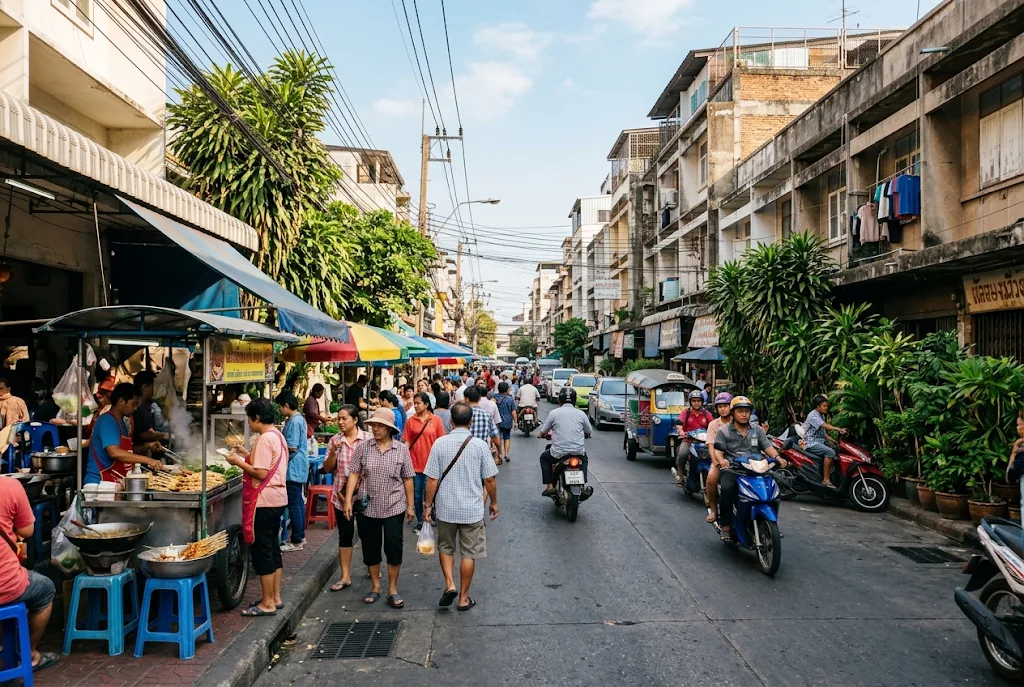
If heat is your main goal, Bangkok is the obvious place to start. Its average January high reaches 87.8°F (31°C), the average low is 71.2°F, and sunshine averages 10.5 hours a day. The city averages just 3 rainy days, giving it one of the driest January profiles in this group.
That weather works well for exploring food markets, shopping districts, temples, and city neighborhoods. I'd plan outdoor walks early in the day, stop for lunch somewhere cool, then head out again later when the harshest afternoon heat has eased. Trying to cover every attraction on foot at midday? Not my idea of a relaxing holiday.
Pack breathable tops, lightweight trousers or shorts, comfortable shoes, sunscreen, and a water bottle. A small umbrella can still be useful, even with relatively few rainy days. If you're visiting religious sites, bring clothing that meets their entry requirements rather than assuming beachwear will work everywhere.
Where should you stay? Look for accommodation with convenient public transport, especially if your plans include several parts of the city. Being close to a useful transit connection can save time and energy when the weather is hot. A room with reliable air conditioning is also a practical priority, not an unnecessary luxury.
The honest downside is the heat and the city environment. Bangkok isn't a quiet island where you can spend the day beside the sea. Traffic, walking distances, and busy streets can make a packed itinerary tiring. Pick it for food, culture, shopping, and warm weather. If your ideal January trip involves doing very little beyond lying on a beach, Cancun or Honolulu will probably fit better.
Does Singapore stay warm in January?
Singapore averages a high of 82.9°F (28.3°C) and a low of 76.1°F. Sunshine averages 9.3 hours a day, so temperatures remain warm even after sunset. If you dislike chilly evenings and want to walk around in light clothing, the temperature profile is appealing.
Rain is the catch. Singapore averages 22 rainy days in January, the highest rainy-day count in this comparison. That figure doesn't mean it rains from morning until night, but it does make a rigid outdoor itinerary a poor idea. Plan a mix of open-air sightseeing and indoor stops, and keep a compact umbrella in your day bag.
I'd look for accommodation near public transport rather than choosing a hotel based only on its room rate. You'll have more flexibility if a shower appears, and you can move between neighborhoods without spending too much of your day in the rain. Pack lightweight clothes, comfortable walking shoes, and something that dries quickly. Air-conditioned interiors can also feel cool after walking around outside, so a thin layer may come in handy.
Singapore suits travelers who want food, shopping, gardens, and a compact city break with plenty to do when the weather changes. It can also work well for people who enjoy planning a day around different neighborhoods rather than spending every hour outdoors.
Who should skip it? Anyone whose entire trip depends on reliably dry beach days. Singapore is warm, but warmth and clear skies aren't the same thing. If rain would ruin your plans, compare its 22 rainy days with Bangkok's 3 before you book.
Why consider Sydney, Australia, in January?
Sydney averages a January high of 79°F (26.1°C), a low of 67.3°F, and 10.9 hours of sunshine a day. January is summer in Australia, making Sydney a genuine warm-season alternative for Americans escaping winter at home.
Think coastal walks, outdoor dining, beach visits, and long days spent exploring different parts of the city. Pack summer clothes, sunglasses, comfortable walking shoes, swimwear if you plan to visit the beach, and a light layer for evenings. The average low of 67.3°F is mild, but it won't necessarily feel like afternoon weather after the sun goes down.
With 11 rainy days on average, Sydney isn't guaranteed to stay dry. Keep an indoor activity in reserve for wet weather, particularly if you're booking a guided outing or planning a day around the coast. Check local beach and surf conditions before swimming instead of judging the water by the sunshine alone.
I'd choose Sydney if I wanted more than a beach holiday. You can make the trip about food, city neighborhoods, outdoor spaces, and the coast without needing every day to be a pool day. The downside is the journey from the United States. Long flights and the adjustment to a different time zone can eat into a short vacation, so this destination makes more sense when you have enough time to enjoy it.
Book accommodation based on the parts of Sydney you most want to explore. A hotel near convenient transport can be more useful than one that looks perfect in a photo but leaves you with a long journey each morning. If you're mostly interested in swimming and lounging in the sun, compare Cancun or Hawaii before committing to the longer trip.
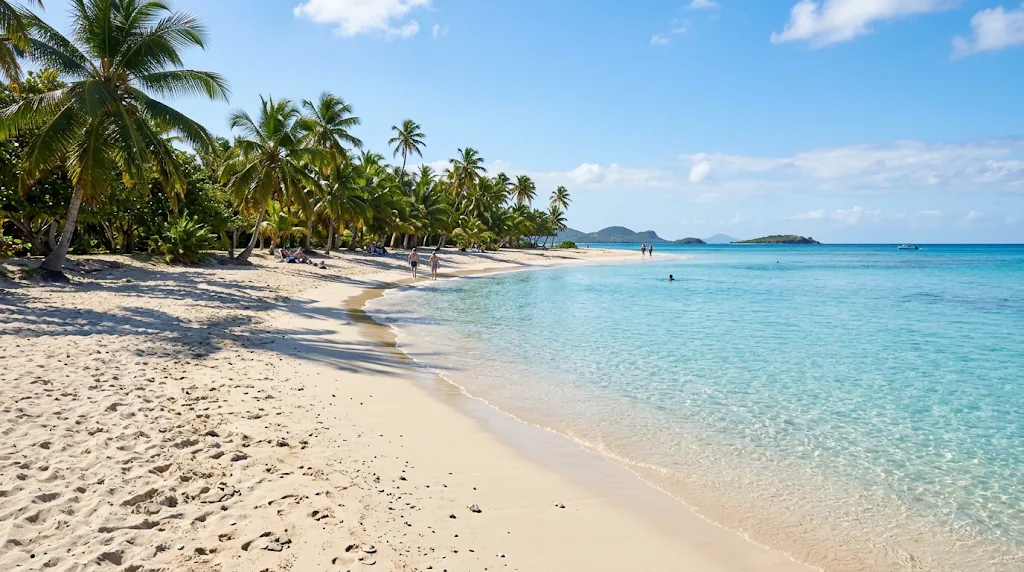
Where is it warm in January for a beach vacation?
Is Cancun warm enough for a January beach trip?
Cancun averages a high of 78.3°F (25.7°C), a low of 71.6°F, and 9.1 hours of sunshine a day. For Americans hoping to swap winter layers for a beach bag, those numbers make it an appealing option without the long journey required for Australia or Southeast Asia.
Most of your packing list can be straightforward: swimwear, breathable clothes, sandals, sunglasses, sun protection, and a light layer for the evening. Add comfortable shoes if you plan to leave the resort and explore. A small waterproof bag can help keep your phone and travel documents protected during beach days or unexpected showers.
Cancun averages 12 rainy days in January. You may still enjoy plenty of outdoor time, but don't book every day around one weather-dependent excursion. Leave room for a change of plans, and check the forecast as your departure gets closer. If a particular boat trip or guided tour is important to you, read the cancellation terms before paying.
Choosing the right part of Cancun matters as much as choosing the destination itself. Compare the hotel's beach access, restaurant options, and transport arrangements with the activities you actually plan to do. A cheaper room can become less attractive if getting to dinner or a tour adds unnecessary cost and hassle.
Honestly, Cancun makes more sense to me for a beach-first trip than for a vacation spent mostly inside a hotel room. The weather averages are promising, but you're paying for access to the coast and outdoor activities, so make sure that's how you want to spend your time. It may not suit you if you prefer quiet surroundings and book a property in a busy resort area without checking what the neighborhood is like.
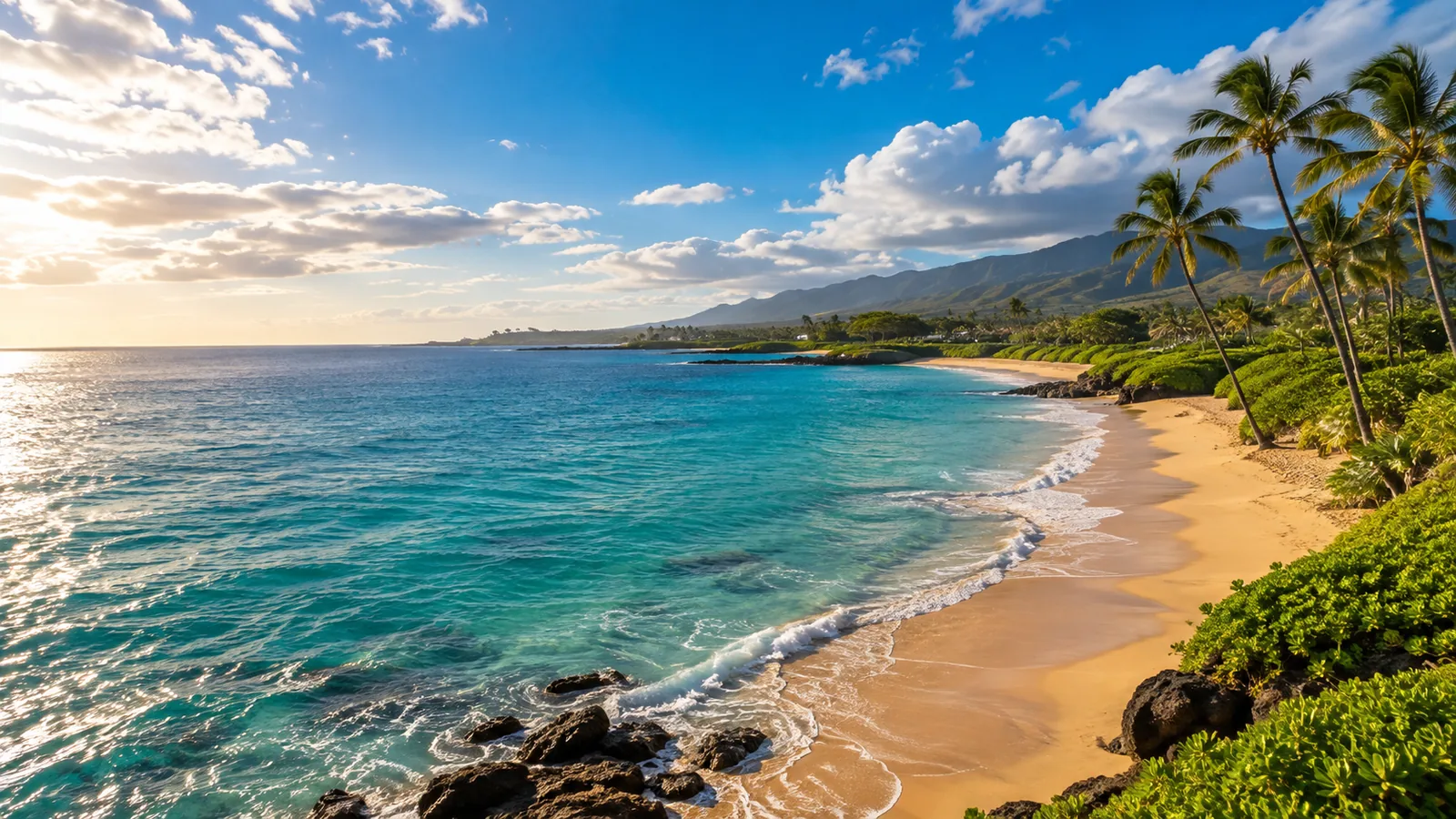
Is Honolulu, Hawaii, warm in January?
Honolulu averages a high of 76.8°F (24.9°C), a low of 69.4°F, and 10.2 hours of sunshine a day. January brings a mix of comfortable warmth and cooler evenings, making it an appealing choice for Americans who want an island escape without an international destination.
Bring summer clothes, swimwear, sandals, walking shoes, and a light layer for after sunset. If you're planning coastal walks or hikes, pack footwear suited to the route. You'll also want sun protection for outdoor activities, even on a day when the sky isn't perfectly clear.
Honolulu averages 7 rainy days in January. That's fewer than Cancun's 12 and far fewer than Singapore's 22, though averages can't tell you what conditions will be like at a particular beach on a particular day. Rain and wind can vary across the island, and ocean conditions can change independently of the temperature. Check local beach safety information before swimming or planning a water activity.
For accommodation, consider how much time you expect to spend near the beach compared with exploring elsewhere. A convenient base can make it easier to fit outdoor activities, meals, and downtime into the same day. If you want to hike, research the route before leaving rather than treating every trail as a casual stroll.
Hawaii's biggest drawback for some travelers is the cost. Flights, accommodation, meals, and getting around can add up, so compare the full trip budget rather than judging by airfare alone. Honolulu also isn't the hottest destination on this list. I'd pick it for the combination of island scenery, outdoor activities, and warm weather, not if my only goal were to find the highest possible temperature.
Should you choose Key West or Miami in January?
Miami averages a January high of 74.5°F (23.6°C), a low of 63.9°F, 8 rainy days, and 9.2 sunshine hours a day. It works well if you want a city trip that includes beaches, restaurants, shopping, and outdoor sightseeing without flying overseas.
Pack lightweight clothing for daytime, comfortable shoes for exploring, sunglasses, and a light jacket or sweater for the evening. Miami's average low is 63.9°F, so don't assume you'll be comfortable in beachwear all day and night. If your plans include long walks, try to schedule the most active part of the day for morning or late afternoon.
Miami is a good match for travelers who like having choices. You can spend part of a day by the water and the rest eating out, visiting neighborhoods, or enjoying indoor attractions. When picking a hotel, look at how you'll get to your planned activities. A property that seems affordable can be less convenient if you need lengthy rides every time you go out.
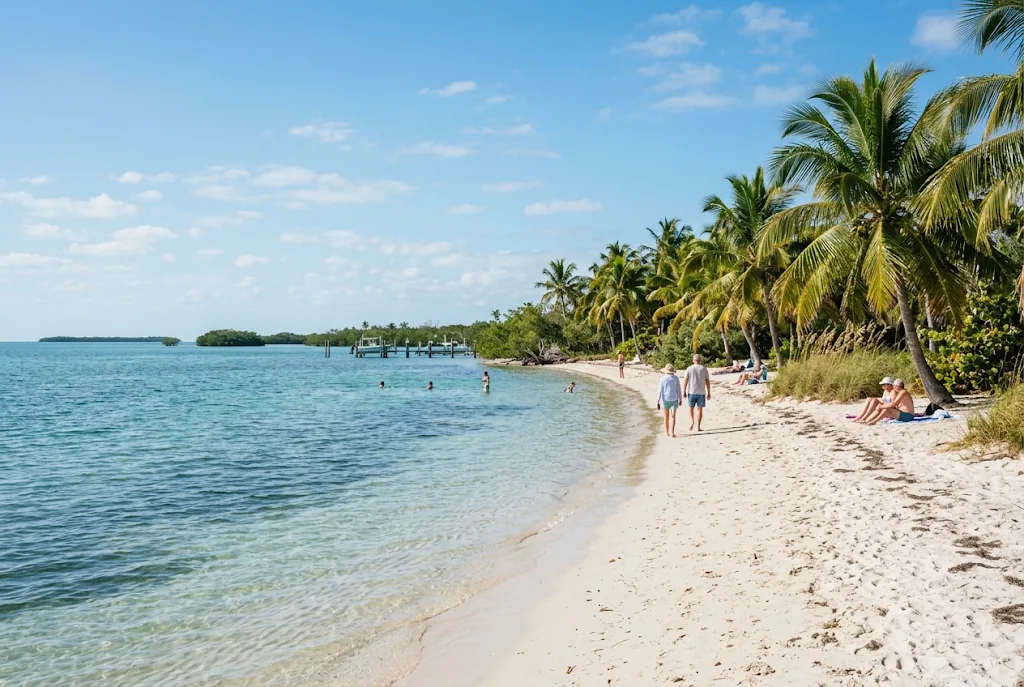
Key West has a lower average high of 72.7°F (22.6°C), but its average low of 68.7°F is warmer than Miami's. It averages 6 rainy days and 9.5 sunshine hours a day. The temperature difference is modest, but the higher average low may appeal to people who spend a lot of time outside in the evening.
For Key West, I'd pack casual summer clothes, sandals, walking shoes, and a light layer just in case. Plan outdoor sightseeing for the morning or late afternoon, and leave the middle of the day open for a relaxed lunch or time by the water. Check the location of your accommodation before booking, especially if you want to walk to restaurants and local activities instead of arranging transport for every outing.
Honestly, I'd pick Key West over Orlando for a January beach trip. Its average high is warmer, the average low is higher, and it averages fewer rainy days. That doesn't make it a guarantee of hot beach weather, though. Both Key West and Miami can have cooler spells, and the ocean may feel colder than you expect. If warm swimming water is a must, check current conditions before you commit.
Choose Miami if you want a larger city with plenty of different activities. Key West is the more appealing starting point if you're after a smaller island atmosphere and a slower pace. Neither should be confused with a tropical destination averaging temperatures in the upper 80s.
Where is it warm in January in the United States?
Is Orlando warm enough for a January vacation?
Orlando averages a high of 69.4°F (20.8°C), a low of 51.6°F, 7 rainy days, and 8.3 sunshine hours a day. That's mild compared with many American winter destinations, but it isn't reliably hot. If you picture swimming every afternoon in summer temperatures, you may need to adjust your expectations.
Orlando is better suited to a trip built around theme parks, family attractions, restaurants, and a mix of indoor and outdoor activities. Wear layers you can remove as the afternoon warms up. Bring a proper jacket for early starts and late finishes, especially if you'll be waiting outdoors for rides or walking between attractions.
Check what your hotel offers before assuming the pool will be comfortable in January. If swimming is a big part of the holiday, look into pool heating rather than relying on the air temperature alone. It's a small detail that can make a difference to how much you enjoy your accommodation.
Plan the park days around what matters most to your group. Comfortable shoes are a better bet than new footwear, and a small bag with water and weather protection can make long days easier. Popular attractions and accommodation can be busy during vacation periods, so sort out the details before you arrive rather than spending valuable time deciding what to do.
Orlando is not my first pick for a warm-weather beach escape. Its average low of 51.6°F is a reminder that evenings can feel chilly, and its average high is lower than those of Miami, Key West, and Honolulu. Choose it for the attractions, not because you expect tropical weather throughout your stay.
Is Phoenix a good warm-weather escape in January?
Phoenix averages a high of 65.7°F (18.7°C), a low of 41°F, and 8.8 sunshine hours a day. It averages just 3 rainy days, making it one of the drier options in this guide. The catch is the temperature: sunny doesn't automatically mean hot.
For a January trip, think desert scenery, outdoor sightseeing, casual meals on a patio, and walks in the milder part of the day. A layered outfit makes more sense than packing only shorts and T-shirts. You may be comfortable in a light shirt in the afternoon, but a warmer jacket is useful early in the morning and after dark.
If you're planning a hike, look up the route, trail conditions, and expected temperatures before setting out. Carry water and wear shoes suited to the terrain. The cooler season can be pleasant for exploring, but that doesn't mean every route is easy or that weather conditions never change.
Phoenix suits travelers who prefer dry air and mild outdoor weather to humid tropical heat. It can also work for people who want a US trip focused on scenery rather than beach time. Find accommodation that makes sense for the areas you plan to visit, and check whether you'll need a rental car or other transport to get around.
Would I choose Phoenix for a hot January vacation? Not if I wanted to swim, sunbathe, or spend every evening outside in warm clothes. Its average low of 41°F makes the difference clear. For those activities, Hawaii, Cancun, or South Florida is a better place to start. For sunny afternoons and desert exploring, Phoenix is much more convincing.
Is San Diego warm in January?
San Diego averages a high of 63.9°F (17.7°C), a low of 47.3°F, 5 rainy days, and 8.9 sunshine hours a day. It sits at the cooler end of this list, but the mild daytime weather can work well for travelers who prefer walking around to sitting in the heat.
Build your plans around coastal walks, parks, neighborhood exploring, outdoor cafes, and sightseeing. Pack a jacket and a few layers, particularly if you'll be near the water in the morning or after sunset. A sunny afternoon may feel pleasant, but you shouldn't expect every beach visit to feel like a summer swimming day.
San Diego's average of 5 rainy days makes it a relatively low-rain option in this group. Still, keep an eye on the forecast if you're planning a full day outside. A little flexibility is better than paying for an activity that depends on weather and discovering too late that conditions have changed.
Choose accommodation according to your plans. If you want to explore different neighborhoods, think about transport and walking distances rather than looking only at a room's photos. Comfortable shoes will get more use than beach gear if your itinerary is mainly about exploring the city.
San Diego is a poor match if you want guaranteed heat, warm ocean water, or afternoons devoted to sunbathing. Its average high of 63.9°F is considerably lower than Honolulu's 76.8°F. But if your version of escaping winter means being outdoors without extreme temperatures, it may be exactly the kind of break you're after.
How do you choose the best warm place for January?
Start by deciding what warm means to you. If you want afternoons close to 90°F, Bangkok is the clearest match in this comparison. If you want pleasant beach weather and a shorter journey from much of the United States, Cancun, Honolulu, Miami, or Key West may make more sense. Someone planning hikes and city walks may be perfectly happy with Phoenix or San Diego.
- For the hottest days: Choose Bangkok, with an average high of 87.8°F and 10.5 sunshine hours a day.
- For warm weather and city attractions: Consider Singapore, but plan around its average of 22 rainy days.
- For summer weather in the Southern Hemisphere: Sydney offers an average high of 79°F and 10.9 sunshine hours a day.
- For a beach-focused trip: Compare Cancun and Honolulu, taking rainfall and travel costs into account.
- For a US island getaway: Honolulu and Key West are useful options, with average highs of 76.8°F and 72.7°F respectively.
- For a South Florida city break: Miami combines a 74.5°F average high with city attractions and access to beaches.
- For mild, relatively dry days: Phoenix has 3 rainy days on average, but cool nights and an average high of 65.7°F.
- For sightseeing without tropical heat: San Diego and Orlando offer milder conditions, with average highs of 63.9°F and 69.4°F.
Rainfall should play a role in your decision, but don't use rainy-day counts as your only measure. Singapore averages 22 rainy days, yet a rainy day doesn't necessarily mean you lose the whole day to bad weather. Bangkok averages 3 rainy days, but those numbers can't promise that your particular travel dates will be dry. Check the local forecast as your trip gets closer.
Next, compare the actual cost of getting there and staying there. Airfare is only one part of the budget. Add accommodation, airport transfers, local transport, meals, attraction tickets, and baggage charges before deciding that one destination is cheaper than another. A less expensive flight can be less attractive if it arrives at an inconvenient time or adds a long transfer.
Traveling with family or friends? Agree on the type of trip before you book. Someone who wants a beach and pool holiday may not enjoy a city itinerary in Bangkok, while someone who loves food and sightseeing may find a quiet resort stay limiting. It's easier to compare destinations when everyone knows what they want from the trip.
You can use the WeatherApex trip planner to organize your options. Make a shortlist, compare the weather profiles, and note the activities that matter most. A destination with a slightly lower average high may still be the better choice if it fits your budget and gives you more of the experiences you want.
What should you pack for a warm January destination?
Check the average low before you pack. Bangkok averages 71.2°F at night, compared with Dubai's 56.7°F and Phoenix's 41°F. That difference affects what you'll want for dinner, early departures, and evenings outdoors. A light layer takes up little room, and a warmer jacket can be useful in places where temperatures fall sharply after sunset.
- For tropical destinations: Pack breathable shirts, lightweight trousers or shorts, comfortable walking shoes, swimwear if needed, and sun protection.
- For rainy destinations: Bring a compact umbrella or lightweight rain jacket, plus a bag that protects electronics and travel documents.
- For Florida and Hawaii: Include casual daytime clothing, footwear for walking, and a light layer for evenings or air-conditioned indoor spaces.
- For Phoenix and San Diego: Choose layers that work for cool mornings and milder afternoons. A warmer outer layer is useful after sunset.
- For sightseeing trips: Carry a reusable water bottle, comfortable shoes, and a small day bag for essentials.
Pack for the activities you have planned, not just the photos you hope to take. If you're spending the day walking around Bangkok, comfortable shoes and breathable clothing will matter more than an extra outfit for dinner. If you're visiting Orlando for theme parks, a light jacket and shoes you can wear for hours are likely to get more use than extra swimwear.
Don't rely on a monthly average to tell you what to wear on a specific day. Look at the local forecast before leaving, and leave some room in your bag if your itinerary covers different climates. It's much easier to add a layer than to spend your holiday looking for a jacket you could have packed.
When should you book a January warm-weather trip?
Start comparing flights and accommodation before your preferred dates arrive, especially if you're traveling during school breaks or other popular vacation periods. Look at flight times, baggage rules, cancellation policies, and the location of your accommodation. The cheapest option isn't always the one that makes the trip easiest.
For a beach holiday, check how close your hotel is to the beach, restaurants, and transport. A low-priced room far from the places you want to visit can add time and expense to every day. In Bangkok or Singapore, access to public transport can make city sightseeing simpler. For Orlando, think about how you'll reach the attractions on your list.
Try not to schedule every activity outdoors. A flexible itinerary makes it easier to move things around if rain arrives or a day turns cooler than expected. In places with chilly evenings, plan a restaurant visit or indoor activity after sunset rather than assuming the afternoon temperature will last all night.
Before departure, check official weather forecasts and any local travel advice that could affect your itinerary. The National Oceanic and Atmospheric Administration's explanation of climate averages helps explain why typical conditions are different from a forecast for a specific date. For information about visiting Thailand, consult the Tourism Authority of Thailand's January guide.
Is January a good month to escape winter?
Definitely, if you pick a destination that matches the kind of weather you want. Bangkok leads this comparison for heat, with an average high of 87.8°F and just 3 rainy days. Cancun and Honolulu are good starting points for a beach-oriented break, while Miami and Key West offer warmer US alternatives. Singapore stays warm but needs a flexible plan for rain, and Sydney brings summer weather for travelers willing to make the long journey.
Or perhaps you don't need tropical heat. Orlando, Phoenix, and San Diego can still be appealing if you want outdoor activities and milder daytime temperatures. Their average highs range from 63.9°F to 69.4°F, and their average lows are cooler than those of the tropical destinations. Pack layers and plan accordingly.
My advice? Pick your destination based on what you'll actually do once you arrive. If you want hot days, Bangkok is the strongest option here. If you want a beach break closer to the United States, compare Cancun, Honolulu, and South Florida. If you're after dry weather and outdoor exploring, Phoenix could be a better fit than a tropical city with frequent rain.
Use the averages to narrow your choices, check the forecast as your departure approaches, and book around the activities you care about most. The best January destination isn't automatically the hottest one. It's the place where the weather, travel time, budget, and plans work together for the kind of winter escape you want.
Frequently asked questions
Where is it hottest in January?
Bangkok, Thailand, is the hottest destination in this comparison, with an average January high of 87.8°F (31°C). It averages 71.2°F at night, 3 rainy days, and 10.5 hours of sunshine daily. Pack lightweight clothing, sunscreen, and comfortable walking shoes, and plan outdoor sightseeing around the midday heat.
Where is it warm in the US in January?
Honolulu, Hawaii, averages a January high of 76.8°F (24.9°C), making it the warmest US destination in this comparison. Miami follows at 74.5°F (23.6°C), while Key West averages 72.7°F (22.6°C). Choose Hawaii for an island escape or Florida for a mainland trip with beaches and city activities.
Which warm January destination gets the least rain?
Dubai has just 2 rainy days on average in January, followed by Bangkok and Phoenix with 3 each. Dubai averages a daytime high of 75.6°F (24.2°C) and 9.9 sunshine hours daily. It suits travelers seeking relatively dry weather, although evenings can feel cool, with an average low of 56.7°F.
Is Cancun worth visiting in January?
Cancun is a good option for a winter beach vacation, with an average January high of 78.3°F (25.7°C), a low of 71.6°F, and 9.1 sunshine hours daily. It averages 12 rainy days, so plan flexible activities and check the forecast before booking excursions. Bring swimwear, sun protection, and a light evening layer.