Best Time to Visit Hawaii: Weather, Crowds and Costs
May and September are excellent times to visit Hawaii, with Honolulu average highs of 79.7°F and 83.1°F, respectively, plus plenty of daily sunshine.
SEO title: Best Time to Visit Hawaii: Weather, Crowds and Costs
Meta description: Find the best time to visit Hawaii with monthly weather averages, sunshine, rain, crowd levels and practical tips for planning your island vacation.
Slug: best-time-to-visit-hawaii
The best time to visit Hawaii is generally May or September, when Honolulu's average high reaches 79.7°F (26.5°C) in May and 83.1°F (28.4°C) in September, with 9 and 7 rainy days, respectively. If you want warm beach weather, plenty of sunshine and a better chance of avoiding peak holiday crowds, these months are excellent places to start.
But there's no single perfect month for every traveler. Winter brings a different kind of island experience, summer suits families who want long, sunny days, and the shoulder seasons can offer a useful balance between weather, crowds and accommodation costs. Your ideal dates also depend on which Hawaiian island you want to visit and what you plan to do once you arrive.
This guide uses 20-year weather averages from 2006 to 2025 for Honolulu on Oahu. You'll find monthly temperatures, rainfall and sunshine, along with practical advice on beaches, hiking, packing, seasonal crowds and choosing between the islands.
What Is the Best Time to Visit Hawaii?
For many first-time visitors, May and September are strong choices. May offers an average high of 79.7°F, an average low of 72.1°F, 9 rainy days and 12.6 hours of sunshine per day in Honolulu. September is warmer, with an average high of 83.1°F, an average low of 75.4°F, 7 rainy days and 11.6 hours of sunshine daily.
Choose May if you prefer warm days without the hottest conditions in the annual Honolulu averages. September is a good fit if you want warmer evenings and excellent opportunities for beach time. Neither month guarantees clear skies every day, of course, but both deserve a place on your shortlist.
June, July and August are also appealing for travelers who prioritize sunshine and summer beach days. December through March can be rewarding, too, especially if you want a winter escape from colder mainland weather. Just expect a different mix of rainfall, surf conditions, holiday demand and prices.
| Month | Avg high °F/°C | Avg low | Rainy days | Sunshine |
|---|---|---|---|---|
| January | 76.8°F / 24.9°C | 69.4°F | 7 | 10.2 hours/day |
| February | 76.1°F / 24.5°C | 68.9°F | 8 | 10.3 hours/day |
| March | 76.6°F / 24.8°C | 69.4°F | 10 | 10.6 hours/day |
| April | 77.9°F / 25.5°C | 70.7°F | 11 | 11.8 hours/day |
| May | 79.7°F / 26.5°C | 72.1°F | 9 | 12.6 hours/day |
| June | 81.3°F / 27.4°C | 73.8°F | 7 | 12.8 hours/day |
| July | 82.4°F / 28°C | 74.8°F | 7 | 12.8 hours/day |
| August | 83.1°F / 28.4°C | 75.4°F | 7 | 12.4 hours/day |
| September | 83.1°F / 28.4°C | 75.4°F | 7 | 11.6 hours/day |
| October | 82.2°F / 27.9°C | 74.7°F | 8 | 10.8 hours/day |
| November | 79.9°F / 26.6°C | 73°F | 7 | 10.2 hours/day |
| December | 77.7°F / 25.4°C | 70.9°F | 8 | 9.9 hours/day |
These are average conditions for Honolulu on Oahu, not guarantees for every part of Hawaii. The other islands have different landscapes, elevations and local weather patterns. Use this table as a starting point, then check conditions for the places and activities on your itinerary.
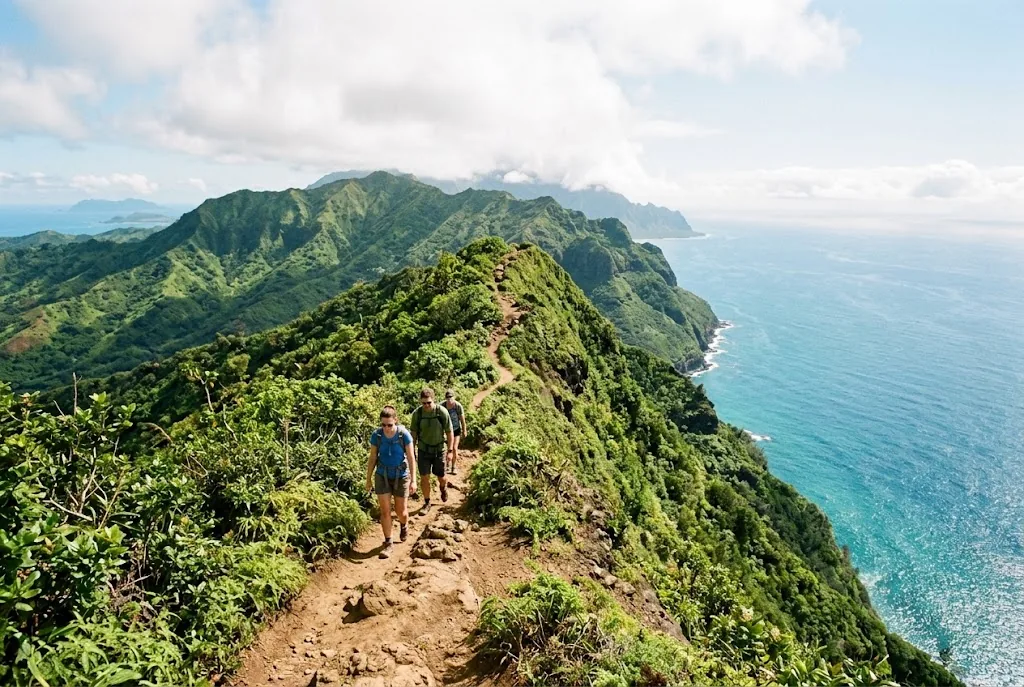
Which Months Have the Best Weather in Hawaii?
If sunshine is high on your wish list, May through September stands out in the Honolulu averages. June and July record the highest average daily sunshine in the table, at 12.8 hours, while May follows at 12.6 hours. August has the warmest average high alongside September, at 83.1°F.
There is a small but important distinction between warm weather and comfortable weather. Some travelers want the hottest beach days they can get. Others would rather spend hours walking around town, exploring botanical gardens or hiking without feeling too warm. For the second group, May can be a more comfortable starting point than late summer.
January and February remain warm by many mainland US standards, with average highs of 76.8°F and 76.1°F. However, they have less average daily sunshine than the summer months. You can still enjoy a beach vacation, but keeping a flexible schedule makes sense.
Honestly, I wouldn't plan a Hawaii vacation around the promise of perfect weather every day. Local showers, cloud cover and changing conditions are part of island travel. Build your plans around the activities you care about most, then leave room to switch things around.
Is May the Best Time to Visit Hawaii?
May is one of the strongest all-around choices, particularly for first-time visitors who want a beach-focused vacation without automatically choosing the busiest summer or winter holiday periods.
In Honolulu, May brings an average high of 79.7°F, an average low of 72.1°F and 12.6 hours of sunshine per day. The average number of rainy days is 9. Those conditions work well for swimming, sightseeing, outdoor dining and planning several activities in the same day.
The timing also helps if you want to mix beach days with more active outings. You might spend the morning walking a coastal trail, enjoy lunch in town, and finish the afternoon by the water. Warm weather makes that combination appealing, although you should still check trail conditions and any local advisories.
From a budget perspective, May can be worth comparing with major school-holiday periods. Demand varies by destination and travel dates, so don't assume every hotel or flight will be cheaper. Check the total cost of your trip, including rental cars, accommodation and inter-island flights if you're visiting more than one island.
May isn't ideal for everyone. If your main goal is the warmest average weather in Honolulu, August and September have higher average highs. If you want a winter holiday, May obviously won't deliver that seasonal atmosphere. Still, for a balance of sunshine, warmth and flexibility, it's hard to overlook.
Is September the Best Time to Visit Hawaii?
September is another excellent option, especially for travelers who enjoy warm afternoons and don't need to follow a school-holiday schedule. Honolulu averages a high of 83.1°F, a low of 75.4°F, 7 rainy days and 11.6 hours of sunshine per day.
Those averages make September attractive for beach time, boat trips, scenic drives and outdoor meals. The evenings are also warm, so you can comfortably plan time outside after a day of exploring.
September can fall between the busiest summer travel period and the late-year holiday rush. That may mean a more relaxed experience at some destinations, and accommodation deals can sometimes be easier to find. Neither outcome is guaranteed, particularly around special events or in popular resort areas.
There is one trade-off: September can feel hot if you're walking in direct sunlight for long periods. Schedule demanding hikes for the morning, bring water, wear sun protection and save more flexible activities for the warmest part of the day.
If I had to narrow the list to two months for a traveler focused on warm weather, beaches and a potentially quieter trip than peak holiday dates, May and September would be my first recommendations.
What Is Hawaii Like in Winter?
Winter is a popular time for Americans looking to trade cold weather at home for an island vacation. Honolulu remains warm, with average highs ranging from 76.1°F in February to 77.7°F in December. Average lows stay between 68.9°F and 70.9°F across those months.
You can still swim, eat outdoors, explore Honolulu and spend time on the beach. Pack light clothing, swimwear and sandals, but bring a thin sweater or light jacket for breezy evenings, air-conditioned spaces and higher elevations elsewhere in Hawaii.
Winter does bring some practical complications. Honolulu records 8 rainy days in December, 7 in January, 8 in February and 10 in March. These figures count average rainy days, not the number of days lost to nonstop rain. A rainy day may include passing showers or a mix of wet and dry conditions.
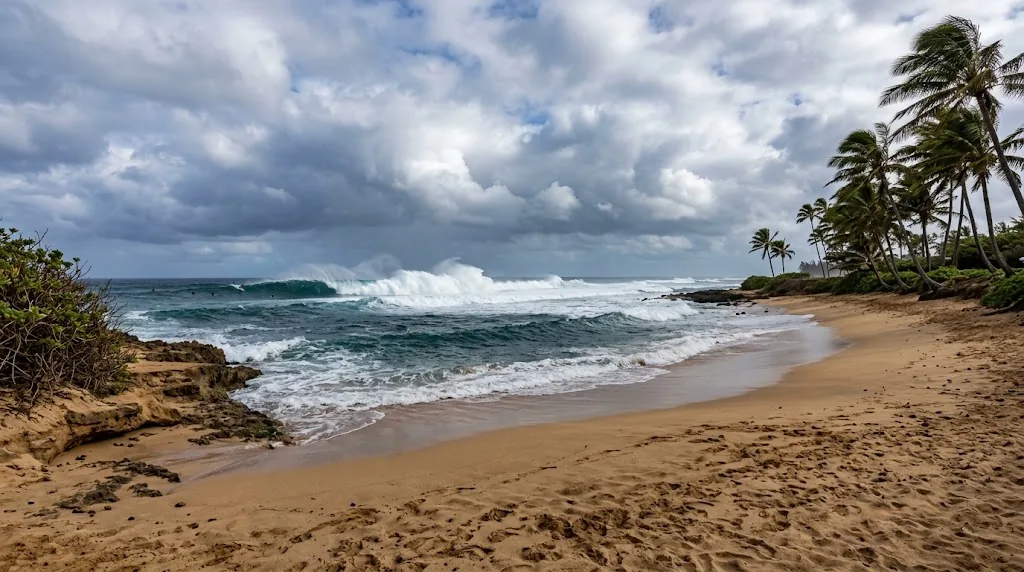
Surf conditions also matter. Some shores, particularly on north-facing coasts, can experience powerful winter waves. That can be exciting for watching experienced surfers, but it isn't a reason to assume every beach is safe for swimming. Choose a beach that matches your swimming ability and follow lifeguard advice and posted warnings.
December and January can be expensive periods to visit because of holiday demand. Flights and popular accommodations may book up early. If you want a winter escape, compare dates outside major holidays when possible, and reserve the essentials before building your itinerary around them.
For more seasonal detail, read our guides to Hawaii weather in December and Hawaiian Islands weather in January.
What Is Hawaii Like in Spring?
Spring is a useful period for travelers who want warm weather before the main summer travel rush. March and April bring average Honolulu highs of 76.6°F and 77.9°F, respectively. May then warms to 79.7°F.
March has 10 average rainy days, while April has 11. May has 9. Those figures make spring a reminder that warmer temperatures don't automatically mean fewer rainy days. April, in particular, combines a comfortable average high with more rainy days than the months around it.
Still, spring can be a rewarding time to explore beyond the beach. Take scenic drives, visit gardens, browse local shops or plan a hike when conditions are suitable. If a shower interrupts your morning, you may be able to move an outdoor activity to later in the day.
Spring-break travel can increase demand in some areas, and school calendars differ across the United States. If you're hoping for a quieter trip, compare actual travel dates instead of assuming the entire season is equally busy.
I'd avoid packing every day with prepaid outdoor activities in spring. A little flexibility makes a real difference when weather changes.
What Is Hawaii Like in Summer?
Summer is a natural fit for families, beach lovers and anyone who wants long days outdoors. Honolulu's average high rises from 81.3°F in June to 82.4°F in July and 83.1°F in August. June and July average 12.8 hours of sunshine per day, while August averages 12.4 hours.
Each of these months has 7 average rainy days in the supplied data. That makes summer appealing if your plans revolve around swimming, relaxing by the water, boat excursions or exploring the coast. Conditions still vary across islands and even between different sides of the same island.
The downside is that summer is a popular family travel period. School vacations can increase demand for flights, resorts, rental cars and family-friendly activities. Popular beaches and attractions may feel busier, too. Booking early gives you more choice, even if you ultimately decide to stay somewhere less crowded.
Heat deserves some attention. Wear breathable clothing, use sunscreen, carry water and take breaks in the shade. Morning is usually a sensible time to plan a strenuous hike or long walk, rather than leaving the hardest activity until the warmest part of the afternoon.
Summer may not be your best match if you dislike warm, humid conditions or prefer a quieter atmosphere. But if you're traveling with children and want plenty of opportunities to spend time outdoors, it remains a strong choice.

Is Fall a Good Time to Visit Hawaii?
Fall can be a smart choice if you want warm weather and the possibility of avoiding some peak-season crowds. September is particularly appealing in the Honolulu averages, with an 83.1°F average high and 7 rainy days. October averages 82.2°F, while November averages 79.9°F.
Sunshine gradually decreases across these months, from 11.6 hours per day in September to 10.8 in October and 10.2 in November. That's still plenty of daylight for sightseeing and beach activities, although your experience will depend on local weather and the time of year.
October can offer a useful middle ground between the summer heat and winter's holiday demand. November may suit travelers who want somewhat cooler daytime conditions without giving up warm-weather activities.
Early fall can sometimes offer better accommodation availability than the busiest summer dates, but prices depend on location, events and demand. Before booking, compare several dates and check cancellation terms. A flexible reservation can be helpful if your plans change.
One thing to keep in mind: tropical weather systems can affect Hawaii. Don't treat historical averages as a forecast for your particular week. Check official weather information before departure and again during your stay.
How Do Crowds and Prices Change Throughout the Year?
Hawaii's travel seasons are shaped by mainland school calendars, public holidays, winter escapes and the demand for beach vacations. Weather matters, but it isn't the only factor in choosing when to go.
- Winter holidays: Late December and early January can be especially popular. Flights and resort accommodation may cost more, and desirable room types can disappear quickly. Book early if your dates are fixed.
- Late winter and early spring: Demand varies with school breaks and individual destinations. You may find busy periods around holidays, so compare dates rather than assuming every winter week is equally crowded.
- Spring shoulder season: May is worth checking for a balance of warm weather and potentially less holiday-driven demand. Availability and rates still depend on where you stay.
- Summer vacation: Families often travel when school is out. Popular beaches, tours and rental cars can be in high demand, so make reservations in advance.
- Fall shoulder season: September and October may offer a quieter alternative to peak summer dates in some places. Check event calendars and compare accommodation prices before committing.
There is no reliable single price for a Hawaii vacation. Airfare depends on your departure city and dates, while accommodation costs vary by island, neighborhood, room type and length of stay. Rental cars and paid excursions can also change the total substantially.
Compare the full trip rather than focusing only on airfare. A cheaper flight isn't necessarily a bargain if the hotel costs more or you need expensive transport once you arrive. Traveling outside major holidays, staying longer in one place and booking cancellable accommodation when practical can all help you manage costs.
Which Hawaiian Island Should You Visit?
Honolulu is on Oahu, but Hawaii includes several islands with distinct landscapes and travel experiences. The monthly table above describes Honolulu only. It should not be treated as a weather table for Maui, Kauai, Hawaii Island or the smaller islands.
Is Oahu Best for a First Visit?
Oahu is a practical choice for travelers who want beaches, restaurants, shopping, cultural attractions and a mix of urban and outdoor experiences. Honolulu gives you access to city conveniences alongside famous coastal areas, while other parts of Oahu offer a different pace.
Choose Oahu if you want variety without spending your entire vacation in a remote resort. It can suit couples, families and first-time visitors who want a combination of beach time and sightseeing. The trade-off is that popular areas can feel crowded, and traffic can make short-looking journeys take longer than expected.
Is Maui Better for Beaches and Scenic Drives?
Maui appeals to travelers who want coastal scenery, resort beaches, outdoor adventures and scenic drives. Its landscapes include beaches, lush areas and higher elevations, so conditions can differ significantly from those in Honolulu.
Plan around the activities that matter most to you. If you want to take a long scenic drive, leave enough time for stops and changing road conditions. If a beach is the main reason for your visit, check its local surf and swimming conditions instead of relying on a general island weather summary.
Should You Visit Kauai for Lush Scenery?
Kauai is a natural fit for visitors drawn to green landscapes, dramatic cliffs, hiking and outdoor exploration. Its scenery is a major part of the appeal, but lush surroundings also mean you should expect local weather to vary across the island.
Bring suitable walking shoes, a light rain layer and a flexible attitude. Trails may become muddy, and some outdoor plans can depend on weather and access conditions. Kauai may be less suitable if your ideal vacation involves spending nearly every day in a large city with a wide choice of urban entertainment.
Is Hawaii Island Right for Volcanoes and Varied Landscapes?
Hawaii Island, often called the Big Island, offers volcanic landscapes, stargazing opportunities, coastal scenery and striking differences in elevation. It is much more varied than a single beach destination.
Allow time for driving between areas, and pack for more than one kind of weather. Coastal warmth doesn't mean every inland or elevated destination will feel the same. Travelers who enjoy exploring different landscapes may find that variety especially rewarding.
My advice is simple: choose the island for its experiences first, then narrow down the month. Picking a date based only on Honolulu's averages can lead to the wrong expectations if most of your trip will take place elsewhere.
What Should You Pack for Hawaii?
For a typical beach-focused stay, start with lightweight clothing, swimwear, sandals and comfortable walking shoes. A hat, sunglasses and sunscreen will help you manage strong sunshine. A reusable water bottle is useful when you're spending time outdoors.
Bring a light rain jacket or compact umbrella, especially if your itinerary includes hikes, scenic drives or several islands. Average rainy-day counts don't tell you exactly when or where showers will occur, and conditions can change during a single day.
A thin layer is useful for cooler evenings, air-conditioned restaurants and higher elevations. If you plan to hike, pack appropriate footwear and check trail conditions before leaving. For ocean activities, consider a rash guard or other sun-protective swimwear.
Don't overpack formal clothes unless your plans call for them. Most visitors will get more use from comfortable outfits they can wear for sightseeing and casual meals. You can always bring one nicer outfit for a special dinner.
How Should You Plan Your Days Around the Weather?
Put your most weather-sensitive activities early in the trip when possible. If you have your heart set on a scenic hike, boat excursion or outdoor attraction, schedule it on a day that leaves room to reschedule if conditions turn unfavorable.
Morning is often a sensible time for longer walks and hikes because you can avoid some of the afternoon heat. Beach time can fit around that schedule, but always check local ocean conditions before entering the water. Warm air doesn't guarantee safe swimming.
Keep at least a little room in your itinerary for a rainy spell or an unexpected change. Have a backup such as a museum, a cultural attraction, a meal in town or a relaxed shopping afternoon. A flexible plan is much more enjoyable than trying to force every activity into its original time slot.
If you're visiting more than one island, avoid scheduling an important paid activity immediately after a tight transfer. Flights, ground transport and weather can complicate a packed itinerary. Spending more time on one island can be less stressful than trying to see everything in a single trip.
Before leaving home, check the National Weather Service Honolulu forecast for current conditions and warnings. For broader destination ideas, beaches, activities and visitor guidance, consult the official Hawaii tourism website. These resources are more useful for current decisions than historical averages alone.
What Mistakes Should You Avoid When Booking Hawaii?
- Assuming every island has Honolulu's weather: Local conditions differ with terrain, elevation and location. Check the specific places you plan to visit.
- Expecting every rainy day to ruin your plans: Monthly averages describe typical conditions, not a daily forecast. Build a backup plan instead of canceling an entire vacation over the possibility of rain.
- Booking only by the cheapest airfare: Add lodging, transport, food and activities before comparing the full cost of different dates.
- Leaving popular reservations until the last minute: If a particular resort, tour or rental car is central to your plans, reserve it early, especially for holiday periods.
- Ignoring ocean safety: Waves and currents can be dangerous even on sunny days. Follow lifeguard instructions and local warnings, and don't swim beyond your ability.
- Trying to visit too many islands: Each transfer takes time and planning. Choose fewer destinations if you want a relaxed trip rather than a constant rush.
- Overloading the itinerary: Give yourself time to enjoy the beach, have an unplanned meal or simply relax. Hawaii doesn't need to be a checklist of attractions.
These mistakes are easy to avoid with a little planning. The most useful preparation isn't predicting every shower or finding one supposedly perfect date. It's knowing what kind of vacation you want and giving yourself enough flexibility to enjoy it.
Frequently Asked Questions About the Best Time to Visit Hawaii
What is the cheapest month to visit Hawaii?
There isn't one universally cheapest month. Airfare and accommodation depend on your departure city, destination, holidays, events and booking timing. Compare May, September and October with your preferred dates, then check the complete trip cost. Winter holiday periods and summer school vacations can have stronger demand, so flexibility may help you find better value.
What month has the most sunshine in Hawaii?
In the supplied Honolulu averages, June and July have the most sunshine, at 12.8 hours per day. May follows at 12.6 hours, and August averages 12.4 hours. These figures describe historical averages from 2006 to 2025, not guaranteed sunshine for individual dates. Other islands can experience different conditions.
Can you visit Hawaii in January?
Yes. Honolulu averages a high of 76.8°F, a low of 69.4°F and 10.2 hours of sunshine per day in January, with 7 rainy days. It's a good option for a warm-weather winter break. However, holiday demand may affect prices, and winter surf can make some beaches unsuitable for swimming.
How many days should you spend in Hawaii?
The right trip length depends on your budget, departure point and activities. Allow enough time to enjoy your chosen island without rushing between attractions. If you plan to visit multiple islands, account for transfers and travel logistics. A focused itinerary with room for beach time and changing weather often feels more rewarding than a packed schedule.
Final Recommendation: When Should You Book Your Hawaii Trip?
For a balanced mix of warm weather, sunshine and potentially less holiday-driven demand, start by comparing May and September. Honolulu averages a high of 79.7°F in May and 83.1°F in September, while both months offer plenty of sunshine and relatively few rainy days compared with several other months in the table.
Choose summer if long, sunny beach days and school-holiday convenience matter most. Pick winter if your main goal is a warm escape from mainland cold, and be prepared for holiday demand and changing ocean conditions. Spring and fall offer useful alternatives for travelers who want flexibility.
Once you've chosen your preferred season, decide which island fits your interests, compare accommodation and flight dates, and check local forecasts before departure. You can also use our trip planner to organize your travel ideas.
Hawaii is a rewarding destination in every season, but the best trip is the one that fits your budget, interests and expectations. Start with the monthly averages, stay flexible and leave yourself enough time to enjoy the islands at your own pace.
Frequently asked questions
What is the cheapest month to visit Hawaii?
There isn't one universally cheapest month. Airfare and accommodation depend on your departure city, destination, holidays, events and booking timing. Compare May, September and October with your preferred dates, then check the complete trip cost. Winter holiday periods and summer school vacations can have stronger demand, so flexibility may help you find better value.
What month has the most sunshine in Hawaii?
In the supplied Honolulu averages, June and July have the most sunshine, at 12.8 hours per day. May follows at 12.6 hours, and August averages 12.4 hours. These figures describe historical averages from 2006 to 2025, not guaranteed sunshine for individual dates. Other islands can experience different conditions.
Can you visit Hawaii in January?
Yes. Honolulu averages a high of 76.8°F, a low of 69.4°F and 10.2 hours of sunshine per day in January, with 7 rainy days. It's a good option for a warm-weather winter break. However, holiday demand may affect prices, and winter surf can make some beaches unsuitable for swimming.
How many days should you spend in Hawaii?
The right trip length depends on your budget, departure point and activities. Allow enough time to enjoy your chosen island without rushing between attractions. If you plan to visit multiple islands, account for transfers and travel logistics. A focused itinerary with room for beach time and changing weather often feels more rewarding than a packed schedule.