Hawaiian Islands Weather in January: What to Expect
Honolulu averages a January high of 76.8°F, 7 rainy days, and 10.2 hours of daily sunshine. Plan for winter surf, whale watching, and changing island conditions.
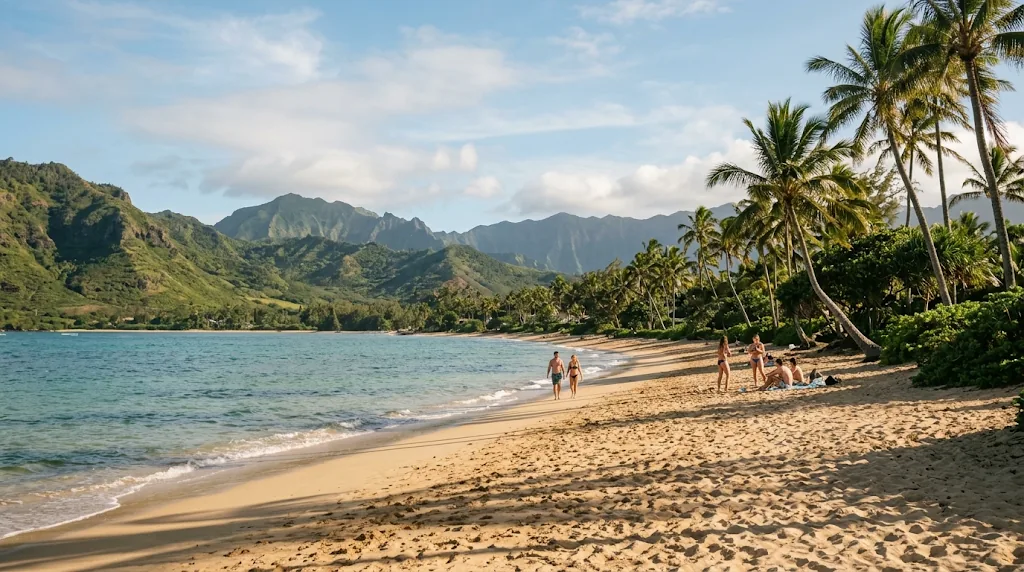
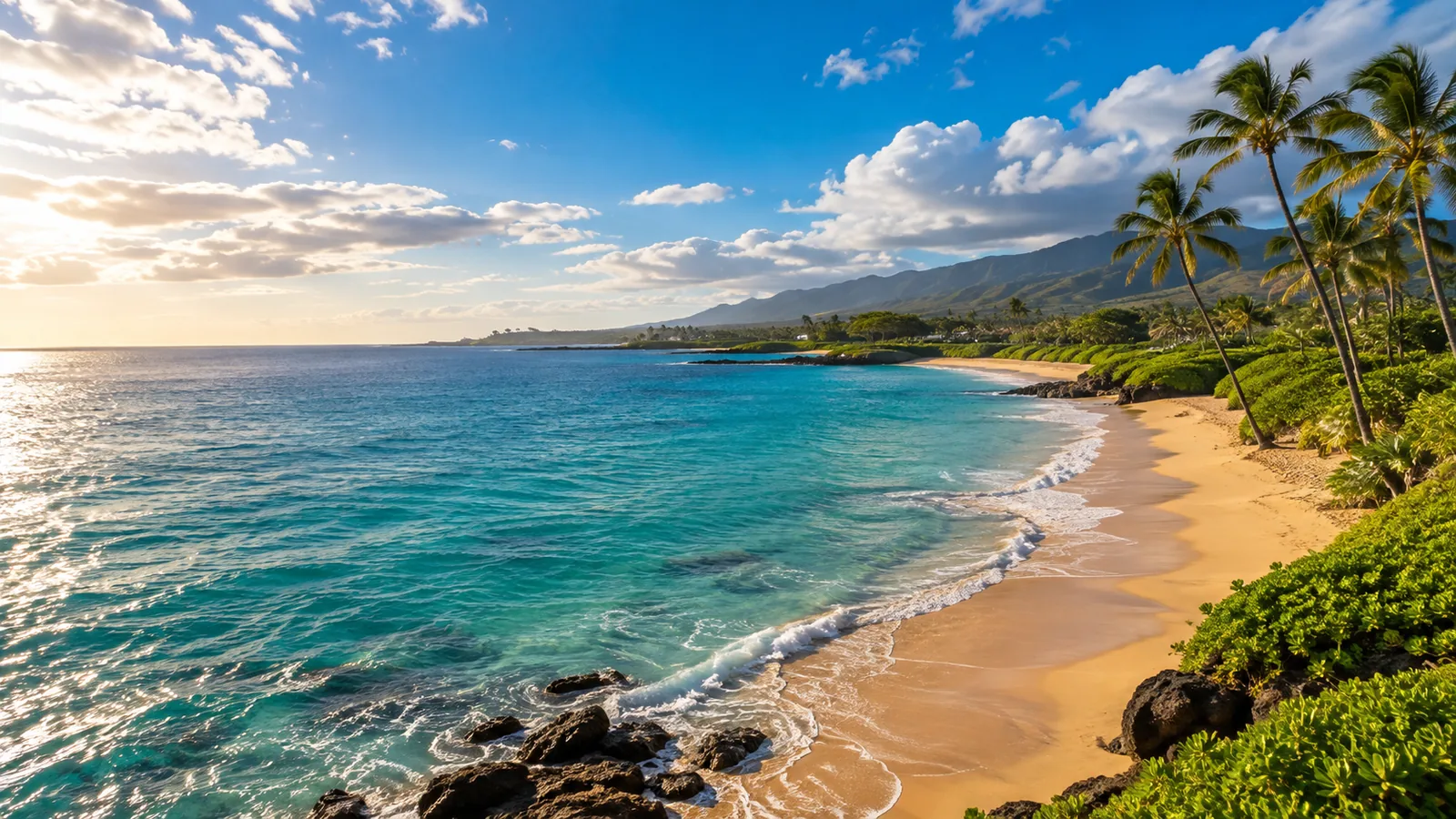
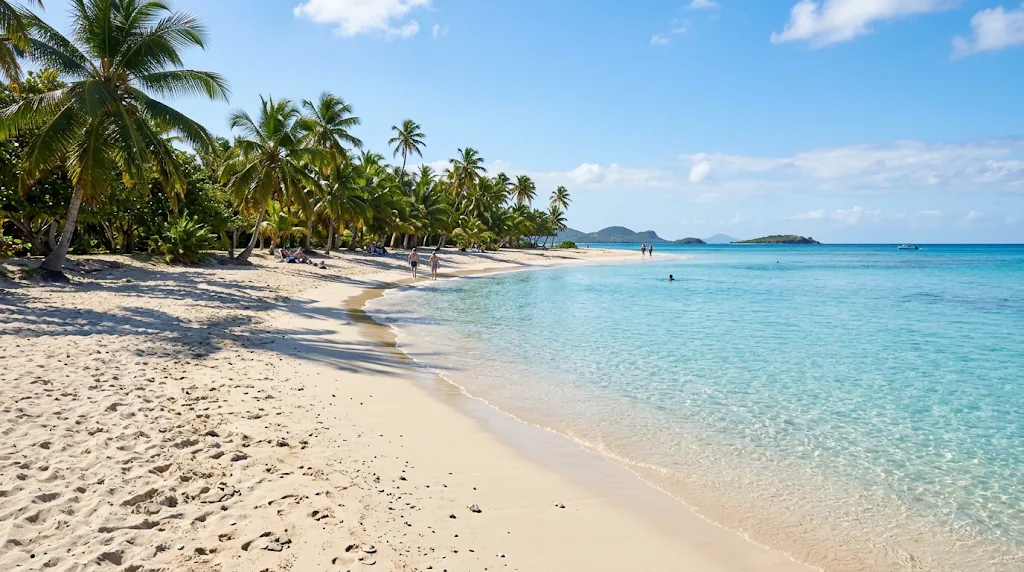
Hawaiian islands weather in january is pleasantly warm, with Honolulu on Oahu averaging a high of 76.8°F (24.9°C), a low of 69.4°F, 7 rainy days, and 10.2 hours of sunshine a day. For Americans looking to trade winter coats for beach clothes after the holidays, January is a strong time to visit, although ocean conditions, rainfall, and temperatures can feel quite different from one Hawaiian island to another.
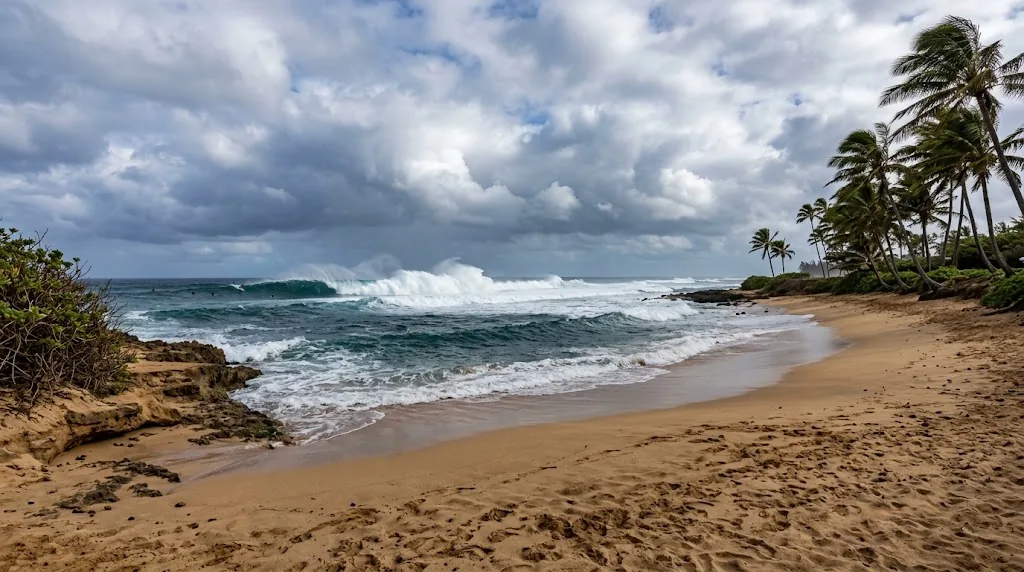
January has a lot going for it: comfortable daytime temperatures, opportunities to watch humpback whales, and powerful winter surf along exposed north shores. It also brings a few things travelers sometimes underestimate, including passing showers, cooler evenings, and ocean conditions that can make certain beaches unsuitable for swimming.
The trick is to plan around the kind of vacation you want. If you're picturing long beach days on Oahu, exploring Maui's coastal towns, or taking a scenic drive through Kauai, the same month can deliver very different experiences depending on where you stay and what you plan to do.
What Is Hawaiian Islands Weather in January Like?
January is part of Hawaii's wetter season, but that doesn't mean your vacation will be washed out. Honolulu's long-term averages show a warm, sunny month, with daytime temperatures in the upper seventies and nighttime temperatures that are generally comfortable with a light layer.
Here are the January conditions for Honolulu, plus two mainland destinations that Americans often consider for a winter escape. The figures are 20-year averages covering 2006 through 2025, and the Honolulu figures should not be treated as island-wide measurements.
| Place / Month | Avg high °F/°C | Avg low | Rainy days | Sunshine |
|---|---|---|---|---|
| Honolulu, December | 77.7°F / 25.4°C | 70.9°F | 8 | 9.9 hours a day |
| Honolulu, January | 76.8°F / 24.9°C | 69.4°F | 7 | 10.2 hours a day |
| Honolulu, February | 76.1°F / 24.5°C | 68.9°F | 8 | 10.3 hours a day |
| Miami, January | 74.5°F / 23.6°C | 63.9°F | 8 | 9.2 hours a day |
| San Diego, January | 63.9°F / 17.7°C | 47.3°F | 5 | 8.9 hours a day |
One detail stands out: Honolulu's January average high is 76.8°F, while the average low is 69.4°F. That relatively narrow gap makes it easier to plan outdoor activities without dealing with the sharp temperature swings you might experience in some mainland destinations.
Still, averages describe typical conditions, not a forecast for your particular week. A rainy afternoon, a breezy beach, or a cloudy morning can change how the weather feels, even when temperatures look ideal on paper.
Is January a Good Time to Visit the Hawaiian Islands?
For many travelers, yes. January is especially appealing if you want warm weather in the middle of the American winter without spending your entire trip beside a swimming pool. You can combine beach time with hiking, scenic drives, local food, cultural attractions, and whale-watching excursions.
There's also a practical advantage to traveling after the holiday rush. The period immediately after New Year's can feel different from the busiest holiday dates, although January remains a popular month for Hawaii vacations. School calendars, resort demand, and flight schedules can still affect prices and availability.
Honestly, I'd put January near the top of the list for travelers who want a mix of outdoor activities rather than nonstop beach lounging. The weather is generally comfortable for exploring, and winter brings natural events you won't get in quite the same way during the summer.
January isn't perfect for everyone, though. If your ideal trip means reliably calm water at every beach, a cloudless sky each day, and no need to carry a rain jacket, Hawaii's winter weather may test your patience. Conditions change with the island, coastline, elevation, and passing weather systems.
Who Will Enjoy a January Hawaii Trip Most?
- Winter-weary travelers: The warmth and outdoor options make a welcome change from cold mainland weather.
- Wildlife lovers: January falls within humpback whale season in Hawaiian waters.
- Surfers and spectators: North-facing shores can experience impressive winter surf, although conditions aren't suitable for everyone.
- Active travelers: Hiking, sightseeing, scenic drives, and coastal walks can fit comfortably into a winter itinerary.
- Couples and families: A mixture of beach time, nature, and cultural activities gives you alternatives when conditions change.
Who Might Prefer Another Month?
Travelers who want the calmest possible ocean conditions at every beach may prefer to compare seasonal conditions carefully before booking. Winter surf can be powerful, and even a beach that looks inviting from shore may have dangerous currents or shorebreak.
Anyone who dislikes humidity, occasional showers, or changes in outdoor plans should also think carefully about their expectations. Hawaii offers a tropical climate, not a guarantee of uninterrupted sunshine.
How Warm Is Honolulu in January?
Honolulu is the best place to start when looking at the Hawaiian islands weather in january because it's the only Hawaiian location in the weather dataset used for this guide. Its averages provide a useful reference for Oahu, but they don't describe every beach or neighborhood, much less the other islands.
In January, Honolulu averages a high of 76.8°F (24.9°C) and a low of 69.4°F. That is warm enough for T-shirts, shorts, sandals, and outdoor sightseeing during the day. In the evening, most visitors will still be comfortable in lightweight clothing, though a thin sweater or jacket can be useful when the wind picks up.
The city averages 10.2 hours of sunshine a day and 7 rainy days in January. Those figures suggest plenty of opportunity for outdoor plans, but don't interpret the rainy-day figure as a promise of seven completely wet days. Rain can be brief or localized, and conditions may differ between neighborhoods and coastlines.
For the best chance of enjoying outdoor activities, schedule flexible plans. Beach time and coastal walks can work well when the weather is pleasant, while museums, shops, restaurants, and indoor attractions provide alternatives if a shower passes through.
What Does a Typical January Day Feel Like in Honolulu?
Think light clothing during the day, comfortable shoes for walking, and an extra layer for after sunset. You probably won't need the heavy winter clothing you'd pack for a mainland January trip, but air-conditioned restaurants, breezy evenings, and higher elevations can feel cooler than a sunny beach.
Morning is a sensible time to plan hikes and sightseeing that require sustained walking. You can leave the afternoon more flexible, especially if you're interested in swimming or spending time outdoors. That approach gives you room to adjust if clouds, rain, or surf conditions change.
Don't assume every part of Oahu will feel like central Honolulu. The island's windward side can receive more rain, while leeward areas are generally drier. Local geography matters, so check conditions close to your accommodation rather than relying only on a city average.
For a month-by-month comparison, read our full guide to Honolulu weather in January.
How Does January Weather Differ Across the Hawaiian Islands?
Hawaii's islands share a tropical setting, but they aren't interchangeable when it comes to weather. Trade winds, mountain ranges, elevation, and which direction a coastline faces all influence local conditions. A sunny resort area can coexist with a rainy valley or cloudy mountain slopes elsewhere on the same island.
Because the available weather figures cover Honolulu on Oahu only, the following comparisons are qualitative. They explain common geographic patterns rather than claiming specific January temperatures or rainfall totals for Maui, Kauai, the Big Island, or other locations.
Is Oahu a Good Choice in January?
Oahu is a practical choice for travelers who want to combine beaches, city conveniences, restaurants, cultural attractions, and outdoor adventures. Honolulu provides a useful base, while other parts of the island offer a different atmosphere and coastal scenery.
The south shore and Honolulu area can be attractive for general sightseeing and beach time, but you should check local conditions before swimming. The north shore is famous for powerful winter surf, drawing experienced surfers and spectators when conditions are suitable. Big waves are a spectacle, not an invitation for inexperienced swimmers to enter the water.
Oahu can work particularly well for a first Hawaii trip because you can mix different activities without making every day depend on the beach. If a shoreline is too rough, consider a cultural attraction, a food stop, or a scenic drive instead.
What Is Maui Like in January?
Maui is appealing if your ideal vacation includes coastal scenery, resort areas, whale watching, and scenic drives. January is within humpback whale season, so wildlife-focused travelers have a good reason to consider the island.
Weather can vary between the island's windward and leeward sides. Windward areas tend to be wetter, while leeward areas are generally drier. Higher elevations can be much colder than the coast, so a sunny beach forecast won't tell you everything you need to know about a mountain outing.
If you plan a long scenic drive, avoid building the day around a tight schedule. Rain, visibility, road conditions, and the time you spend at viewpoints can all affect how much you comfortably accomplish.
Should You Visit Kauai in January?
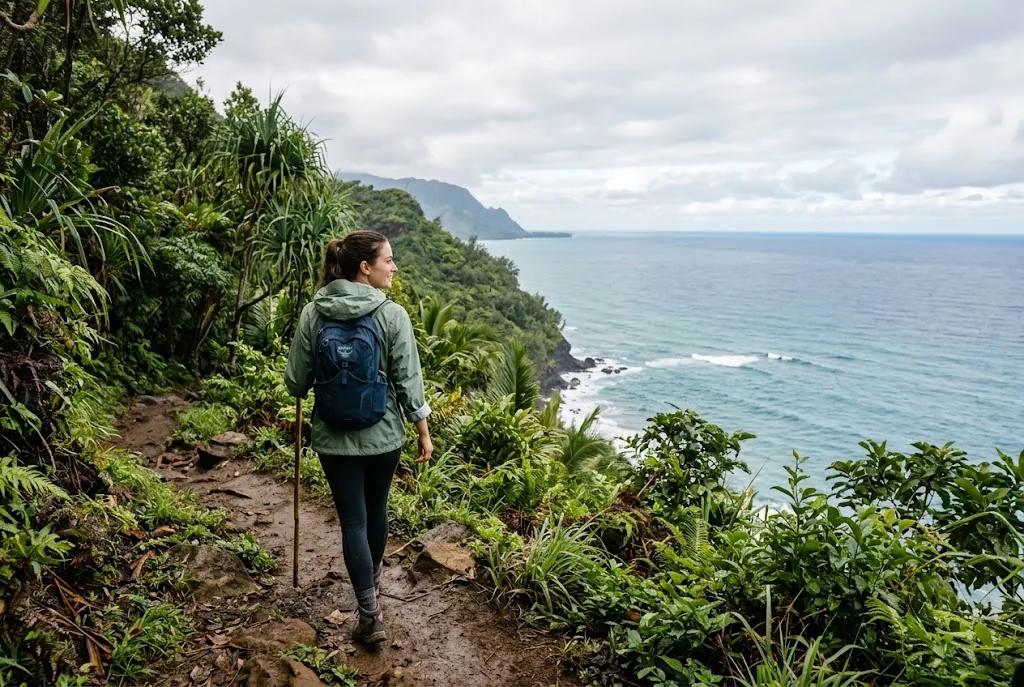
Kauai is a strong option for travelers drawn to green landscapes, dramatic cliffs, hiking, and scenic coastal views. Its lush character is closely connected to its rainfall patterns, which means showers are part of the landscape rather than an unusual interruption.
The island's windward areas are generally wetter than its leeward side. That distinction matters when choosing accommodation or planning a hike. If you want a particular trail or viewpoint, check local weather and access conditions shortly before setting out.
January visitors should keep a flexible approach to outdoor plans. If rain affects a hike, a scenic drive or a relaxed meal can be a better use of the day than pushing ahead in poor conditions.
What Should You Expect on the Big Island?
The Big Island has especially varied terrain, from coastal communities to high volcanic landscapes. Elevation makes a major difference here. A warm day near the coast doesn't mean mountain summits will feel remotely tropical.
Pack for the specific activities on your itinerary. Coastal sightseeing calls for light clothing, sun protection, and comfortable footwear, while higher-elevation visits may require warmer layers. Check the forecast for your intended destination instead of using Honolulu's averages as a substitute.
The island's windward and leeward areas can also have contrasting conditions. Allow time for weather changes, especially if your plans involve long drives or outdoor stops at different elevations.
Why Is January a Great Month for Whale Watching in Hawaii?
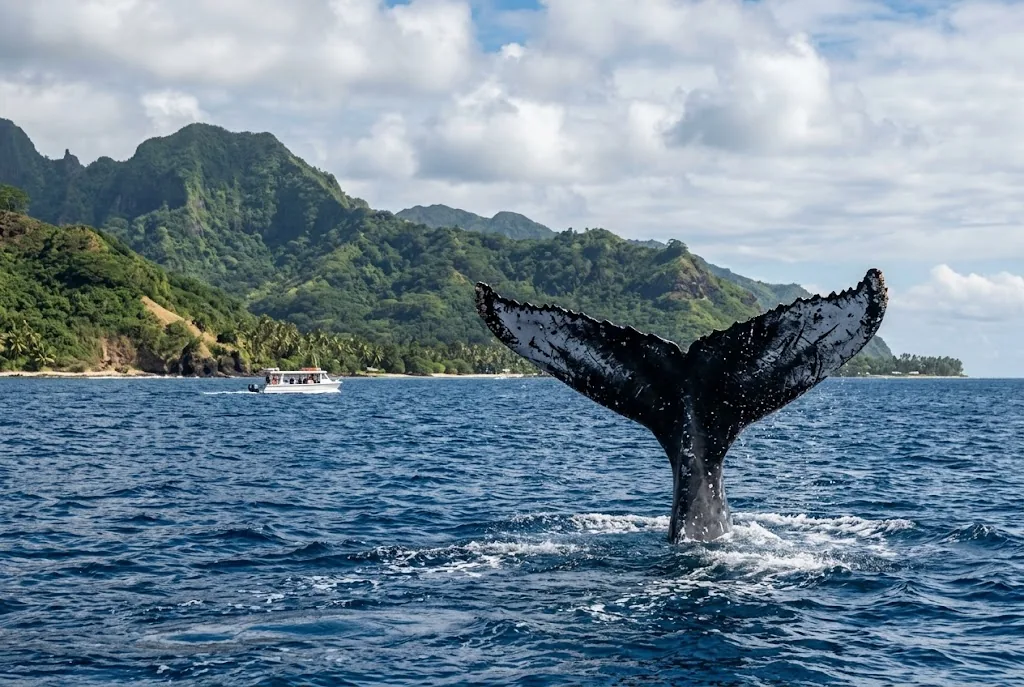
January is an exciting time to look for humpback whales around Hawaii. These whales migrate to Hawaiian waters during the winter breeding season, making this period a popular time for whale-watching excursions and shoreline sightings.
You may spot a whale from land, particularly from a suitable coastal viewpoint, or choose a guided boat trip. Neither option guarantees a sighting, so treat whale watching as a wildlife experience rather than a scheduled performance.
If a boat trip is important to your vacation, book with a reputable operator and check the departure details before paying. Ask what happens if sea conditions lead to a cancellation, and consider how comfortable your group is likely to be on a moving boat.
Winter seas can be rough, and a trip that sounds wonderful on paper may not be pleasant for everyone. If you're prone to motion sickness, discuss suitable precautions with a qualified healthcare professional before traveling.
How Can You Improve Your Chances of Seeing Whales?
- Keep your schedule flexible: Avoid placing a whale-watching trip on the only day you can possibly go.
- Choose a responsible operator: Look for clear safety information and respectful wildlife-viewing practices.
- Bring binoculars: They can help you observe activity from shore without approaching wildlife.
- Protect yourself from the sun: Sun exposure can still be strong on a breezy or partly cloudy day.
- Be patient: Wild animals move on their own schedule, and a sighting is never guaranteed.
Honestly, whale watching is one of January's strongest reasons to visit Hawaii, even if you aren't an avid wildlife enthusiast. Just don't build the entire trip around one excursion. There are plenty of other ways to enjoy the islands if the whales stay out of sight.
Are Hawaiian Beaches Safe for Swimming in January?
Some beaches can offer pleasant swimming conditions in January, but winter brings powerful surf to exposed north-facing shores. Conditions vary by island, coastline, and day, so you shouldn't assume a beach is safe simply because the weather is sunny and warm.
The distinction between air temperature and ocean safety matters. A warm afternoon doesn't make strong currents, large waves, or sudden shorebreak less dangerous. The north shore can attract surfers and spectators precisely because winter surf becomes powerful.
How Should You Choose a Beach?
Start by checking current local conditions and posted beach warnings. Ask lifeguards about the conditions at the specific beach where you plan to swim, and follow their advice. If there are warning signs or a closure, choose another activity.
Families with children should be particularly cautious about waves that surge onto the shore. Even standing near the water can become risky when surf is strong. Keep children close, use beaches with lifeguards where possible, and never treat another swimmer's confidence as proof that conditions are safe.
For surfing, choose a location that matches your skill level and pay attention to local guidance. Visitors who are new to the ocean should avoid entering rough water just to experience a famous surf beach.
The National Weather Service office in Honolulu provides Hawaii weather information and forecasts. Check current alerts and conditions before making plans around the ocean.
Does It Rain a Lot in Hawaii in January?
January is part of Hawaii's wetter season, but the experience depends heavily on where you're staying. Honolulu averages 7 rainy days in January, compared with 8 in December and 8 in February. The monthly averages also show 10.2 hours of sunshine a day in January.
These figures describe Honolulu, not every Hawaiian island. They also don't tell you exactly when a shower will arrive, how long it will last, or whether it will affect your planned activities.
Hawaii's terrain creates localized weather patterns. Moist air carried by prevailing winds can produce more rain on windward slopes, while leeward areas are often drier. Mountains also influence cloud formation, so conditions can change noticeably over relatively short distances.
What Should You Do if It Rains During Your Trip?
Don't automatically cancel the day. A passing shower may leave you with time for a walk, a meal, or another outdoor activity afterward. The important thing is to have alternatives and to avoid assuming that every part of an island is experiencing the same weather.
- Keep a lightweight rain jacket in your day bag.
- Choose quick-drying clothes for outdoor excursions.
- Save museums, shopping, local food stops, and other indoor activities for flexible periods.
- Check trail conditions before hiking, especially after heavy rain.
- Allow extra time for drives if weather reduces visibility or affects road conditions.
One common mistake is planning a full day around a single outdoor attraction without checking conditions first. A flexible schedule can save a vacation day, particularly if your itinerary includes hiking, coastal viewpoints, or mountain roads.
What Should You Pack for Hawaii in January?
Think summer clothing with a few practical extras. Honolulu's average January high of 76.8°F makes lightweight outfits sensible for daytime sightseeing, but you'll be glad you packed something warmer for breezy evenings or higher elevations.
What Clothes Should You Bring?
- T-shirts and lightweight tops: Useful for sightseeing, casual meals, and most warm-weather activities.
- Shorts and breathable trousers: Pack options that work for both walking and relaxed evenings.
- Swimwear: Bring it if swimming, hotel pools, or suitable beach conditions are part of your plans.
- A light sweater or jacket: Handy for cooler evenings, breezy coastlines, and air-conditioned indoor spaces.
- A lightweight rain jacket: More useful than carrying a bulky winter coat.
- Comfortable walking shoes: Important for sightseeing, trails, and uneven surfaces.
- Sandals: Convenient for casual beach days, but not a replacement for proper hiking footwear.
What Other Items Are Worth Packing?
- Sun protection: Bring sunscreen, sunglasses, and a hat, even when the sky isn't completely clear.
- A reusable water bottle: Useful for walks, sightseeing, and time outdoors.
- A small day bag: Carry water, your rain jacket, and personal essentials.
- Waterproof storage: A dry bag or protective pouch can help keep electronics safe around boats and beaches.
- Binoculars: A useful extra if whale watching is high on your list.
- Activity-specific clothing: Add warmer layers if your itinerary includes higher elevations.
You can leave the heavy winter wardrobe at home for a typical Honolulu-focused vacation. But don't make the opposite mistake and pack only swimwear. A little preparation gives you more freedom to enjoy the islands when the weather changes.
What Is the Best Time of Day for Activities in January?
Morning is often a good time to schedule hikes, walking tours, and sightseeing that requires sustained outdoor effort. You can get started before the day feels tiring, and an early start leaves room for lunch or a change of plans later.
Beach time can fit around local conditions rather than a rigid clock. Check the forecast and surf information for the exact coastline you intend to visit. A beach that is suitable for a relaxed afternoon on one day may have different conditions on another.
Whale watching is best planned around a reputable operator's schedule and current sea conditions, not a promise that whales will appear at a particular hour. If you have a full day of driving planned, avoid squeezing in a long excursion without leaving enough time to return safely.
How Should You Build a Flexible January Itinerary?
Choose one main activity for each day, then add nearby options that can be changed without disrupting the whole trip. For example, a coastal walk, a local meal, and a cultural attraction can make a useful combination. If rain or rough surf affects the coast, you can spend more time on the other activities.
Keep the most weather-sensitive plans flexible. Mountain hikes, boat trips, and ocean activities are more dependent on conditions than visiting a shop or enjoying a meal. Confirm departure times and check for changes before leaving your accommodation.
For help organizing activities and travel details, use the WeatherApex trip planner to start building an itinerary that leaves room for changing conditions.
How Does Hawaii Compare With Miami and San Diego in January?
If you're choosing between winter destinations, Honolulu's weather averages offer a helpful starting point. Its January average high is 76.8°F, compared with 74.5°F in Miami and 63.9°F in San Diego. Honolulu also averages 10.2 hours of sunshine a day, compared with 9.2 hours in Miami and 8.9 hours in San Diego.
These are climate comparisons, not guarantees for your travel dates. They also don't account for differences in humidity, wind, ocean temperatures, or the kinds of activities you prefer.
Is Hawaii Warmer Than Miami in January?
Based on the supplied averages, Honolulu has the higher January daytime average, at 76.8°F compared with Miami's 74.5°F. Honolulu's average low is 69.4°F, while Miami's is 63.9°F.
Both destinations can work for a warm-weather escape, but they offer different experiences. Hawaii is a Pacific island destination with dramatic landscapes, distinct coastal conditions, and winter whale watching. Miami offers a mainland city vacation with beaches and easy access to South Florida attractions.
Choose Hawaii if island scenery, outdoor adventures, and the chance to see humpback whales are priorities. Miami may make more sense if your plans center on South Florida or you want to combine a city stay with nearby mainland destinations.
Read the detailed guide to Miami weather in January before comparing your options.
Is Hawaii Warmer Than San Diego in January?
Honolulu is considerably warmer by the supplied daytime averages, with a January high of 76.8°F compared with 63.9°F in San Diego. The difference is also clear at night: Honolulu's average low is 69.4°F, while San Diego's is 47.3°F.
San Diego can still be an appealing winter destination, especially for coastal scenery, food, museums, and outdoor sightseeing. However, its January weather is more suited to layering than Honolulu's typical daytime conditions.
If swimming and tropical warmth are central to your trip, Honolulu has the stronger case based on these averages. If you prefer a mainland city with a milder winter climate and don't mind cooler evenings, San Diego deserves consideration.
See our guide to San Diego weather in January for a closer look.
Is December or February Better Than January in Hawaii?
The supplied Honolulu averages show relatively similar daytime temperatures across these months. December has an average high of 77.7°F, January averages 76.8°F, and February averages 76.1°F. The differences are modest, so other factors, including travel dates, accommodation prices, and planned activities, may matter more than the average high alone.
January's average low is 69.4°F, compared with 70.9°F in December and 68.9°F in February. Honolulu averages 7 rainy days in January, compared with 8 in both December and February. Sunshine averages 9.9 hours a day in December, 10.2 in January, and 10.3 in February.
Should You Visit in December Instead?
December is a good option if your travel schedule fits the holiday period and you want to spend the end of the year in Hawaii. The supplied averages show a slightly higher daytime high and a higher nighttime low than January in Honolulu.
However, holiday demand can affect travel costs and availability. If you have flexibility, compare accommodation and flight options for the dates you're considering rather than assuming one month will always be cheaper.
Read more in our guide to Honolulu weather in December.
Is February a Better Choice?
February has a slightly lower average high and low than January in Honolulu, along with a little more average daily sunshine in the supplied data. The difference in average high is small, so it shouldn't be the only factor behind your decision.
Both months fall within Hawaii's winter season, when whale watching and winter surf remain relevant to trip planning. Your ideal month depends on the exact dates, your preferred activities, and the conditions at the places you want to visit.
Compare the details in our guide to Honolulu weather in February.
What Should You Book Early for a January Hawaii Vacation?
January is a popular time to escape winter on the mainland, so it's sensible to organize the parts of your trip that have limited availability. The right booking strategy depends on your destination, budget, and travel dates.
- Accommodation: Compare locations as well as prices. A convenient base can reduce driving and make it easier to adjust plans when weather changes.
- Flights: Check schedules and baggage rules before choosing a fare, especially if you're bringing activity-specific equipment.
- Whale-watching trips: Book ahead if a particular operator or departure time matters to you, and review its cancellation policy.
- Rental cars: Arrange transport early if you need a vehicle for scenic drives or destinations away from your accommodation.
- Popular guided activities: Reserve limited-capacity tours that are central to your itinerary, but leave room for weather-related changes.
Don't pack every day with prepaid activities. If an ocean excursion is canceled or heavy rain affects an outdoor plan, a little breathing room can make your trip much less stressful.
Also, check what each booking actually includes. Cancellation rules, transportation, equipment, and weather-related changes can vary from one operator to another. Read the details before paying rather than assuming every tour follows the same policy.
What Are the Biggest Mistakes to Avoid in January?
The most common mistake is treating Hawaii as if every island and beach has the same weather. Honolulu's averages can help set expectations for Oahu, but they cannot tell you what conditions will be like at a mountain summit or on a different island.
- Assuming every beach is safe: Check current surf conditions, follow warning signs, and ask lifeguards for advice.
- Packing only summer clothes: Include a light layer and rain protection, especially if you plan to explore beyond the coast.
- Ignoring elevation: Higher mountain areas can be much colder than coastal locations.
- Expecting sunshine every day: Rain can affect outdoor plans even during a generally sunny month.
- Overloading the itinerary: Long drives, changing weather, and activity schedules can make a packed plan difficult to follow.
- Assuming a whale sighting is guaranteed: Book responsibly and keep other activities on your schedule.
- Using one forecast for an entire island: Look for conditions relevant to your exact beach, trail, or destination.
The official Go Hawaii tourism website is a useful starting point for destination information and island-specific trip planning. Combine that information with current local forecasts when deciding where to go and what to do.
Frequently Asked Questions About Hawaiian Islands Weather in January
Is Hawaii hot enough for a beach vacation in January?
Yes, Honolulu averages a January high of 76.8°F and a low of 69.4°F, making it comfortable for many beach vacations. However, air temperature doesn't determine swimming safety. Check local surf conditions, pay attention to lifeguards, and keep your plans flexible because winter waves can be powerful along exposed coastlines.
How many rainy days does Honolulu have in January?
Honolulu averages 7 rainy days in January, based on 20-year averages covering 2006 through 2025. This doesn't mean your vacation will lose seven full days to rain. Showers can be localized or brief, and weather differs between windward and leeward areas. Check the forecast for your actual destination before planning outdoor activities.
Can you see humpback whales in Hawaii in January?
Yes, January falls within humpback whale season in Hawaiian waters. You can look for whales from suitable coastal viewpoints or book a guided boat excursion. Sightings are never guaranteed, and sea conditions can affect trips. Reserve with a responsible operator, review cancellation policies, and leave flexibility in your itinerary for changing conditions.
Should I pack a jacket for Hawaii in January?
Pack a lightweight jacket or sweater for breezy evenings, air-conditioned spaces, and higher elevations. Honolulu averages a January high of 76.8°F and a low of 69.4°F, so heavy winter clothing usually isn't necessary for a typical coastal stay. A light rain jacket, comfortable shoes, sunscreen, and breathable clothing are more practical essentials.
Frequently asked questions
Is Hawaii hot enough for a beach vacation in January?
Yes, Honolulu averages a January high of 76.8°F and a low of 69.4°F, making it comfortable for many beach vacations. However, air temperature doesn't determine swimming safety. Check local surf conditions, pay attention to lifeguards, and keep your plans flexible because winter waves can be powerful along exposed coastlines.
How many rainy days does Honolulu have in January?
Honolulu averages 7 rainy days in January, based on 20-year averages covering 2006 through 2025. This doesn't mean your vacation will lose seven full days to rain. Showers can be localized or brief, and weather differs between windward and leeward areas. Check the forecast for your actual destination before planning outdoor activities.
Can you see humpback whales in Hawaii in January?
Yes, January falls within humpback whale season in Hawaiian waters. You can look for whales from suitable coastal viewpoints or book a guided boat excursion. Sightings are never guaranteed, and sea conditions can affect trips. Reserve with a responsible operator, review cancellation policies, and leave flexibility in your itinerary for changing conditions.
Should I pack a jacket for Hawaii in January?
Pack a lightweight jacket or sweater for breezy evenings, air-conditioned spaces, and higher elevations. Honolulu averages a January high of 76.8°F and a low of 69.4°F, so heavy winter clothing usually isn't necessary for a typical coastal stay. A light rain jacket, comfortable shoes, sunscreen, and breathable clothing are more practical essentials.