Best Time to Visit Iceland: Weather, Seasons, and Monthly Guide
The best time to visit Iceland is June or July for milder weather, with Reykjavik's average high reaching 57.4°F in July.
Iceland is best visited in June or July if you want milder weather, up to 57.4°F (14.1°C) average daytime highs in Reykjavik, and long summer days. If northern lights are your priority, plan a trip during the darker months instead, when cold weather, frequent rain, and limited sunshine become part of the experience.
What Is the Best Time to Visit Iceland?
For most American travelers, June through August offers the most comfortable combination of temperatures, daylight, and opportunities to explore Iceland's landscapes. July is the warmest month in Reykjavik, with an average high of 57.4°F (14.1°C), an average low of 48°F, 15 rainy days, and 10.8 hours of sunshine per day.
That doesn't mean summer is automatically the best choice for everyone. Iceland's weather stays cool even during its warmest months, and rain is common throughout the year. You'll want to pack layers regardless of when you go.
Traveling in winter has its own appeal. The darker skies offer opportunities to look for the northern lights, while snowy landscapes and a quieter atmosphere can make the country feel completely different from its summer self. January, however, averages just 1.6 hours of sunshine per day in Reykjavik, so sightseeing requires more careful planning.
My advice is simple: choose your dates based on what you want to experience, not just the temperature. Summer is the easiest starting point for a first visit. Winter is a better fit if you're comfortable with cold, unpredictable conditions and want to focus on the aurora.
What Is Iceland's Weather Like Throughout the Year?
The figures below are 20-year averages for Reykjavik from 2006 through 2025. They provide a useful starting point for planning, but they aren't a forecast for your travel dates. Conditions elsewhere in Iceland can differ, so don't assume the capital's weather tells the whole story.
| Month | Avg high °F/°C | Avg low | Rainy days | Sunshine |
|---|---|---|---|---|
| January | 34.9°F / 1.6°C | 26.8°F | 19 | 1.6 hours/day |
| February | 35.8°F / 2.1°C | 27.9°F | 17 | 3.8 hours/day |
| March | 37.6°F / 3.1°C | 28.9°F | 17 | 6.4 hours/day |
| April | 43°F / 6.1°C | 33.4°F | 17 | 8.6 hours/day |
| May | 48.7°F / 9.3°C | 38.7°F | 17 | 10.8 hours/day |
| June | 54°F / 12.2°C | 44.6°F | 15 | 10.8 hours/day |
| July | 57.4°F / 14.1°C | 48°F | 15 | 10.8 hours/day |
| August | 56.1°F / 13.4°C | 47.1°F | 15 | 9.2 hours/day |
| September | 50.7°F / 10.4°C | 42.8°F | 19 | 6.6 hours/day |
| October | 43.5°F / 6.4°C | 36.1°F | 17 | 4.8 hours/day |
| November | 38.5°F / 3.6°C | 31.6°F | 16 | 2.4 hours/day |
| December | 34.7°F / 1.5°C | 26.6°F | 17 | 0.8 hours/day |
One detail stands out: the summer months have fewer average rainy days than most of the colder months, but they aren't dry seasons. Even in July, the averages include 15 rainy days. Waterproof clothing isn't something to leave at home just because you're traveling in summer.
Sunshine figures also need a little context. They describe average daily sunshine, not the total amount of daylight available. During the Icelandic summer, long days and the midnight sun create much more opportunity for sightseeing than the sunshine figure alone suggests.
Want the details for your travel dates? Compare the monthly figures with the individual Reykjavik weather in June and Reykjavik weather in July pages before booking.
When Is the Best Time to Visit Iceland for Mild Weather?
Choose June, July, or August if comfortable sightseeing conditions matter most. These months have the highest average daytime temperatures in Reykjavik, with average highs ranging from 54°F to 57.4°F. That's mild by Icelandic standards, although it may feel chilly to Americans arriving from warmer parts of the United States.
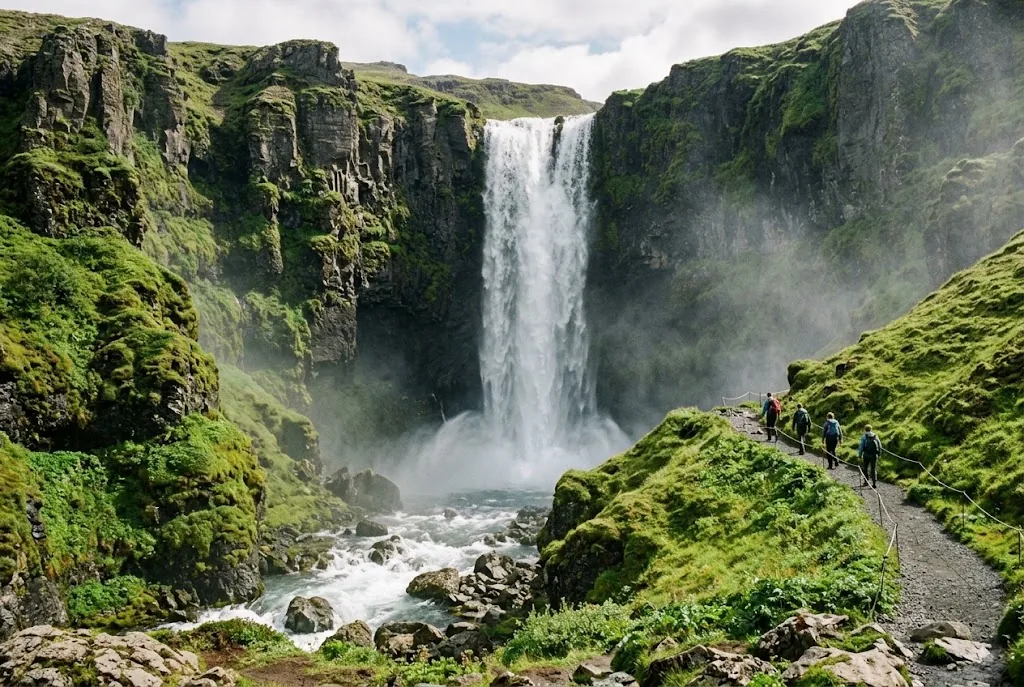
Summer works particularly well for travelers who want to combine city sightseeing with outdoor activities. You can explore Reykjavik, take scenic drives, visit waterfalls, and plan longer days outdoors without dealing with the extremely limited winter daylight.
June and July tie for the highest average daily sunshine in the supplied data, at 10.8 hours. August has an average high of 56.1°F and 9.2 hours of sunshine per day, so it remains a comfortable option for travelers who prefer late summer.
There are trade-offs. Summer isn't the season for a reliable northern lights experience because the bright nights make aurora viewing difficult. It can also be a popular time to visit, so reserving accommodation, rental cars, and popular excursions early is sensible.
Honestly, I'd choose July for a first trip if I had to pick one month. It has the highest average high, ties for the most sunshine in the supplied data, and gives you a good starting point for planning outdoor activities.
When Is the Best Time to Visit Iceland for the Northern Lights?
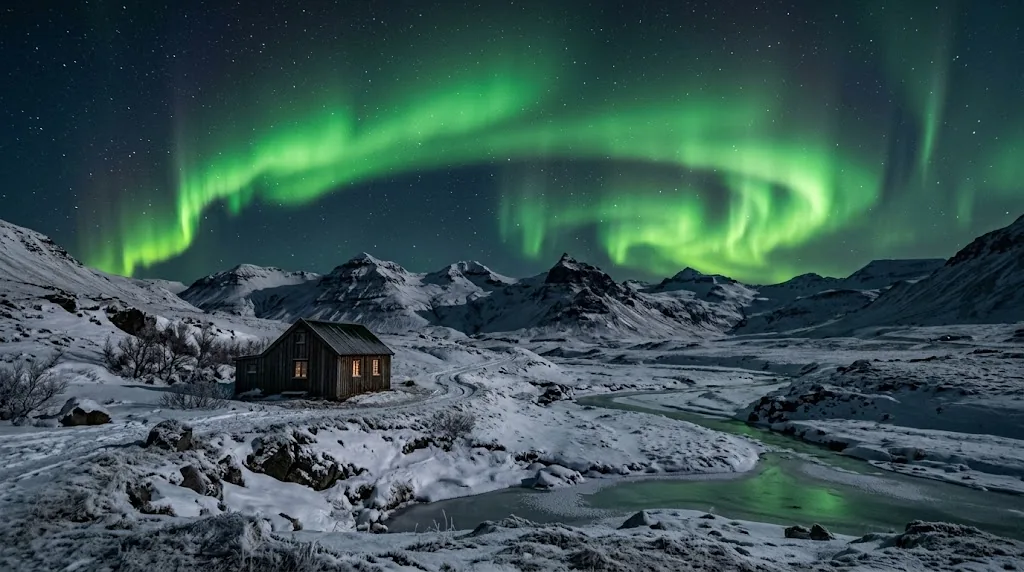
If seeing the northern lights is the main reason for your trip, focus on the darker part of the year rather than the summer. The aurora season generally runs from autumn through early spring, when nights are dark enough to make viewing possible.
September, October, November, February, and March can all be useful months to consider. They offer a balance of darkness and varying weather conditions, although no month guarantees a sighting. Clear skies and aurora activity matter, and cloud cover can spoil an otherwise promising night.
Winter temperatures in Reykjavik are cold. Average highs are 34.7°F in December and 34.9°F in January, while average lows are 26.6°F and 26.8°F, respectively. Bring a warm insulated coat, thermal layers, gloves, a hat, and waterproof footwear if you're planning to spend time outside at night.
Don't build your entire trip around one evening. Plan several nights when possible, and keep your schedule flexible so you can respond to weather and aurora forecasts. The Icelandic Meteorological Office's aurora forecast is a useful resource for checking conditions.
One more thing: northern lights tours can take you away from city lights, but a tour cannot guarantee a sighting. If the sky stays cloudy, you may see nothing at all. Treat the aurora as a possible highlight, not the only reason to visit.
Which Month Is Best for Visiting Iceland?
Is January a Good Time to Visit Iceland?
January is a winter month for travelers who don't mind cold weather and limited daylight. Reykjavik averages a high of 34.9°F, a low of 26.8°F, 19 rainy days, and just 1.6 hours of sunshine per day.
The darkness makes northern lights viewing possible, provided skies are clear and aurora activity cooperates. You can also enjoy winter scenery and indoor attractions in the capital. Keep your sightseeing plans flexible, and avoid scheduling every outdoor activity tightly around the clock.
January isn't my first recommendation for travelers who want long scenic drives and plenty of daylight. It suits visitors who are happy to slow down, dress warmly, and accept that weather may change their plans.
Should You Visit Iceland in February?
February is still firmly wintry, with an average high of 35.8°F, an average low of 27.9°F, and 17 rainy days. Average daily sunshine increases to 3.8 hours, offering more light than January.
It's a reasonable option for travelers interested in winter landscapes and northern lights opportunities. Pack warm layers and shoes with good grip, and leave room in your schedule for weather-related changes.
If you want warm afternoons, February isn't the month to choose. Go for the winter atmosphere, not the temperature.
What Is Iceland Like in March?
March brings an average high of 37.6°F and an average low of 28.9°F in Reykjavik. The city averages 17 rainy days, while daily sunshine rises to 6.4 hours.
The longer days make March appealing if you want to combine winter scenery with more sightseeing time. Northern lights viewing may still be possible during dark, clear nights, although conditions are never guaranteed.
Plan for cold, wet, and potentially slippery conditions. March can be a useful compromise for travelers who don't want the shortest days of winter but aren't ready to give up the possibility of an aurora.
Is April Too Cold for an Iceland Trip?
April has an average high of 43°F and an average low of 33.4°F. Reykjavik averages 17 rainy days and 8.6 hours of sunshine per day.
Conditions are moving toward spring, but don't assume the entire country will feel warm or that winter conditions have disappeared. April can work well for visitors who want improving daylight and are comfortable preparing for several types of weather.
It's less suitable if your plans depend on consistently mild conditions. Check local road and weather updates before setting out on longer drives.
Is May a Good Month to Explore Iceland?
May offers an average high of 48.7°F, an average low of 38.7°F, 17 rainy days, and 10.8 hours of sunshine per day. It feels like a practical middle ground for travelers who want longer days without choosing the warmest part of summer.
May is a good month to plan city visits, scenic outings, and outdoor sightseeing with plenty of layers. A waterproof jacket, comfortable walking shoes, and warm midlayers will help you stay comfortable when the weather changes.
If your priority is the northern lights, May is a poor choice compared with the darker months. If you want more daylight and cool-weather adventures, it deserves a place on your shortlist.
Why Visit Iceland in June?
June is one of the strongest choices for a first visit. Reykjavik averages a high of 54°F and a low of 44.6°F, with 15 rainy days and 10.8 hours of sunshine per day.
Long summer days, including the midnight sun period, give you extra flexibility for sightseeing. You can plan outdoor activities without feeling as constrained by short winter days, and the milder weather is generally more comfortable for walking around the city.
Bring an eye mask if you're sensitive to light while sleeping. The bright nights can be surprising if you're used to a normal day-and-night cycle, and blackout curtains aren't guaranteed at every accommodation.
Is July the Best Month to Visit Iceland?
July is the warmest month in the supplied Reykjavik data, with an average high of 57.4°F and an average low of 48°F. The city averages 15 rainy days and 10.8 hours of sunshine per day.
For general sightseeing, July is a very strong choice. The temperatures are relatively mild, daylight is plentiful, and you can plan full days around outdoor activities. It's especially appealing to travelers who want a broad introduction to Iceland rather than a trip focused on winter experiences.
Don't pack only T-shirts, though. A cool breeze or passing rain can make the day feel much colder than the average high suggests. Bring layers, a waterproof outer shell, and something warm for evenings.
Book important accommodation and excursions early if your dates are fixed. July is popular, and leaving all your arrangements until the last minute can limit your choices.
Should You Visit Iceland in August?
August stays mild, with an average high of 56.1°F and an average low of 47.1°F. Reykjavik averages 15 rainy days and 9.2 hours of sunshine per day.
It remains a strong option for outdoor sightseeing, scenic drives, and exploring the capital. You still need rain protection, but the average temperatures are close to July's, making August a sensible alternative if your travel dates fall later in summer.
As the season moves toward autumn, darkness gradually returns. That doesn't make August a dependable northern lights month, so choose it for summer travel rather than for aurora hunting.
Is September a Good Time to Visit Iceland?
September is a transition month. Reykjavik has an average high of 50.7°F, an average low of 42.8°F, 19 rainy days, and 6.6 hours of sunshine per day.
It's cooler and wetter than the core summer months in this dataset, but the return of darker nights can create opportunities to look for the northern lights. You can also enjoy an autumn atmosphere while avoiding the shortest days of winter.
September is a sensible option for travelers who want a mix of sightseeing and possible aurora viewing. Keep outdoor plans flexible, and bring a warm layer even if the forecast looks mild.
What Is Iceland Like in October?
October averages a high of 43.5°F and a low of 36.1°F in Reykjavik. There are 17 rainy days on average, with 4.8 hours of sunshine per day.
The days are shorter, temperatures are lower, and the weather calls for a more careful approach to outdoor activities. October can appeal to visitors hoping for northern lights opportunities without waiting for the darkest part of winter.
Pack waterproof outerwear, warm layers, and sturdy shoes. If you're renting a car, check road conditions and forecasts before longer drives instead of assuming that routes will remain easy throughout the day.
Is November a Good Time to See Iceland?
November has an average high of 38.5°F, an average low of 31.6°F, 16 rainy days, and 2.4 hours of sunshine per day.
The darker season is well underway, which can help with northern lights viewing when the skies cooperate. The trade-off is less daylight for exploring and a greater need to plan around the weather.
November suits travelers who are comfortable with winter conditions and want to make the aurora part of a broader trip. If you prefer long days outdoors, choose a summer month instead.
Should You Travel to Iceland in December?
December is cold and dark, with an average high of 34.7°F and an average low of 26.6°F. Reykjavik averages 17 rainy days and just 0.8 hours of sunshine per day.
The winter atmosphere can be appealing, especially for travelers interested in seasonal celebrations and northern lights opportunities. But daylight is extremely limited, and outdoor sightseeing needs careful scheduling.
Don't book December expecting to cover a huge amount of ground each day. Give yourself flexibility, dress for cold and wet conditions, and plan indoor activities as a backup when the weather doesn't cooperate.
What Should You Pack for Iceland's Weather?
Pack for changing conditions rather than a single temperature. Even during summer, an average high in the upper 50s Fahrenheit can feel chilly when you're standing outside in wind or rain. In winter, temperatures around freezing make warm, weather-resistant clothing particularly important.
- Waterproof jacket: Choose a proper rain shell that fits comfortably over your other layers.
- Warm midlayers: Fleece or wool helps you adjust when temperatures change throughout the day.
- Base layers: Thermal tops and bottoms are useful for cold-season travel and long evenings outdoors.
- Comfortable walking shoes: Look for good traction and water resistance, especially if you'll be walking on wet ground.
- Hat and gloves: These are particularly helpful during winter and for nighttime northern lights outings.
- Eye mask: Consider one for summer, when bright nights can interfere with sleep.
- Small daypack: Carry an extra layer, water, and rain protection during longer outings.
Layering is more useful than bringing one enormous coat for every situation. You can add warmth when you're outside and remove layers when you move indoors. Avoid relying on the monthly average alone; check the forecast shortly before departure and again during your trip.
What Are the Biggest Mistakes to Avoid When Planning an Iceland Trip?
Assuming summer means warm weather
Iceland's summer temperatures are mild, not hot. July's average high in Reykjavik is 57.4°F, so beachwear and lightweight clothing alone won't be enough for most outdoor itineraries. Bring layers and rain protection even if you're traveling in the warmest month.
Trying to see everything in a short trip
Iceland's landscapes can look close together on a map, but road conditions, weather, and stops along the way affect how much you can comfortably cover. Avoid filling every day with long drives and fixed reservations. Leave time for unplanned stops and changes in conditions.
Expecting the northern lights on demand
Aurora sightings depend on suitable darkness, clear skies, and solar activity. A tour or a specific travel date cannot guarantee a display. Build several possible viewing nights into your schedule, and choose other activities you would enjoy even if the lights don't appear.
Ignoring local forecasts and road information
Monthly averages help you choose a season, but they don't tell you whether a particular road or trail will be safe on a given day. Check official forecasts and local travel guidance before setting out. The SafeTravel Iceland website provides travel safety information that can help you prepare.
Booking the wrong season for your priorities
If you want long days and comfortable sightseeing, the darkest winter months may frustrate you. If you mainly want the northern lights, the bright summer nights work against that goal. Match the season to your priorities first, then choose specific dates based on budget, availability, and current conditions.
How Can Americans Plan the Best Iceland Itinerary?
Start by deciding whether your trip is mainly about summer landscapes, winter scenery, or the northern lights. That decision will narrow your travel window more effectively than simply searching for the warmest month.
For a first visit, June or July is a strong starting point. You'll get Reykjavik's mildest average conditions and long summer days, although you'll still need rain gear and warm layers. August is another good option if you prefer a late-summer trip.
For a trip centered on the aurora, consider the darker months from autumn through early spring. Keep several evenings available for viewing, and don't make a sighting the sole measure of whether the trip succeeds.
Next, build a realistic route. Decide how much time you'll spend in Reykjavik and how much you'll devote to the countryside. Since the weather data here covers Reykjavik only, use local forecasts for other regions rather than assuming they share the same conditions.
Reserve accommodation and any must-do excursions once your dates are settled. If you're visiting in the busy summer period, early booking gives you more options. In winter, flexibility can be just as valuable as advance planning, particularly when conditions change.
Before departure, check your flight arrangements, accommodation policies, clothing, transport plans, and the latest weather information. Use the WeatherApex trip planner to organize your travel research and compare the months that fit your plans.
So, When Should You Go to Iceland?
For most travelers, June and July are the best starting points because Reykjavik averages 54°F to 57.4°F for daytime highs, with 10.8 hours of sunshine per day in both months. August is close behind, making summer the easiest choice for a first trip focused on outdoor sightseeing.
If the northern lights matter more than mild weather, choose a darker-season trip instead. September through March can offer opportunities, but clouds, rain, and limited daylight mean you'll need patience and flexible plans.
There isn't one perfect month for every traveler. Pick the season that matches your priorities, prepare for changeable weather, and leave room in your itinerary for the unexpected. That's the best way to enjoy Iceland without letting the forecast dictate your entire trip.
Frequently asked questions
What is the best month to visit Iceland?
July is a strong choice for most first-time visitors. Reykjavik averages a high of 57.4°F, a low of 48°F, 15 rainy days, and 10.8 hours of sunshine daily. These mild conditions and long summer days suit sightseeing and outdoor activities, although rain protection and warm layers are still important.
When is the best time to see the northern lights in Iceland?
The darker season, generally from autumn through early spring, offers opportunities to see the northern lights. September through March can be worth considering, but sightings depend on clear skies and aurora activity. Plan several possible viewing nights, check official forecasts, and remember that no month guarantees a sighting.
Is Iceland cold in the summer?
Yes, Iceland remains relatively cool during summer. Reykjavik averages a high of 57.4°F in July and 54°F in June. Bring a waterproof jacket, warm layers, and comfortable walking shoes even if you are visiting during the warmest months. Weather can change quickly, so check forecasts before outdoor activities.
Is winter a good time to visit Iceland?
Winter can be a good choice for northern lights opportunities and snowy scenery, but expect cold temperatures and limited daylight. Reykjavik averages a high of 34.9°F in January and only 1.6 hours of sunshine daily. Pack insulated layers, waterproof footwear, and keep your itinerary flexible for changing conditions.