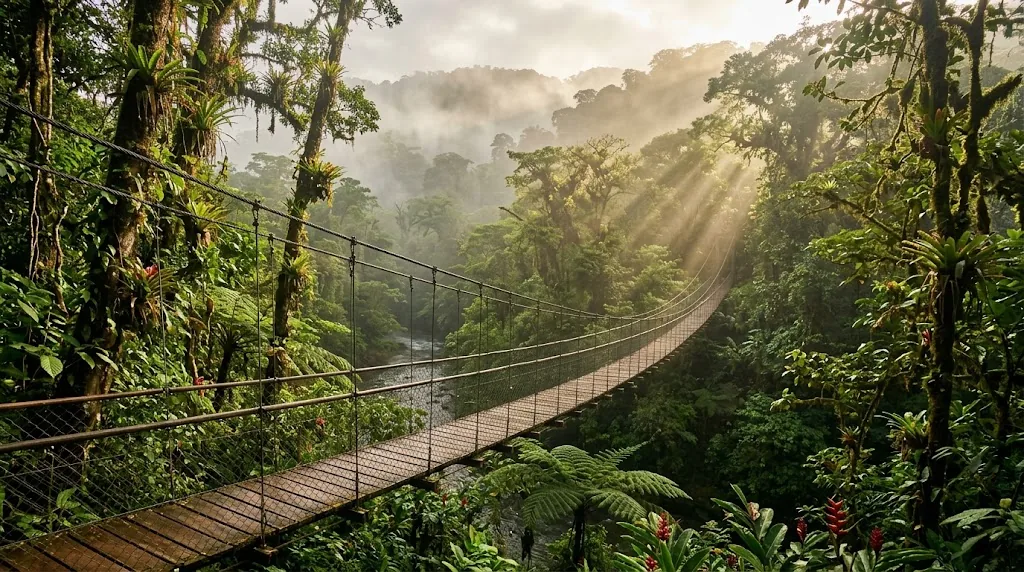
Best Time to Visit Costa Rica: Weather by Month
February is a strong choice for visiting Costa Rica, with San José averaging 8 rainy days and 11 hours of sunshine daily. The green season offers a different experience.
SEO title: Best time to visit Costa Rica: Weather by Month
Slug: best-time-to-visit-costa-rica
The best time to visit Costa Rica for drier weather is generally December through April, with February offering a particularly appealing balance in San José: an average high of 78.4°F (25.8°C), just 8 rainy days, and 11 hours of sunshine daily. If you prefer greener landscapes, fewer crowds in some destinations, and don't mind afternoon showers, the green season from May through November can be a rewarding alternative.
Costa Rica is a small country with a surprisingly varied climate. Your experience in the Central Valley can feel very different from a beach vacation on the Pacific or Caribbean coast. The monthly figures below use 20-year averages from 2006 through 2025 for San José, the country's capital in the Central Valley. They're a useful starting point for planning, not a forecast for every part of the country.
What is the best time to visit Costa Rica?
For most first-time visitors from the United States, December through April is the easiest period to plan around. San José generally receives fewer rainy days during these months than it does from May through November, making it a practical choice for sightseeing, day trips, and exploring the surrounding mountains.
February stands out in the supplied data. San José averages 78.4°F (25.8°C) for its high, 61.3°F for its low, 8 rainy days, and 11 hours of sunshine per day. January and December are also good options, although December averages 16 rainy days, compared with 11 in January.
March is another attractive month for warm daytime weather, with an average high of 79.9°F (26.6°C). However, it averages 12 rainy days, so February has the advantage if reducing your chances of encountering rain is the main goal.
April is a transition month. Average highs remain warm at 79.5°F (26.4°C), but the average number of rainy days rises to 18. By May, the pattern changes considerably: San José averages 27 rainy days and 8.5 hours of sunshine per day.
Honestly, I'd start with February if your dates are flexible and you want a straightforward introduction to Costa Rica. If lush scenery matters more to you than a reliably dry itinerary, don't rule out the wetter months.
What is Costa Rica's weather like throughout the year?
San José sits in the Central Valley, where the weather is often milder than visitors expect from a tropical country. Days can feel comfortably warm, while mornings and evenings are cooler. The figures below show why the timing of your trip matters more for rainfall and sunshine than for dramatic changes in average daytime temperatures.
| Month | Avg high °F/°C | Avg low °F | Rainy days | Sunshine |
|---|---|---|---|---|
| January | 76.3°F / 24.6°C | 61.3°F | 11 | 10.6 hours/day |
| February | 78.4°F / 25.8°C | 61.3°F | 8 | 11 hours/day |
| March | 79.9°F / 26.6°C | 62.1°F | 12 | 11.1 hours/day |
| April | 79.5°F / 26.4°C | 63.3°F | 18 | 10.2 hours/day |
| May | 77.2°F / 25.1°C | 63.9°F | 27 | 8.5 hours/day |
| June | 75.7°F / 24.3°C | 63.9°F | 29 | 7.9 hours/day |
| July | 75.7°F / 24.3°C | 63.9°F | 26 | 7.9 hours/day |
| August | 75.9°F / 24.4°C | 63.3°F | 28 | 8.4 hours/day |
| September | 75.9°F / 24.4°C | 63°F | 29 | 8.1 hours/day |
| October | 74.8°F / 23.8°C | 62.8°F | 30 | 7.5 hours/day |
| November | 74.1°F / 23.4°C | 62.8°F | 26 | 7.6 hours/day |
| December | 75°F / 23.9°C | 61.9°F | 16 | 9.6 hours/day |
How to read this table: rainy days indicate how often rain is recorded on average, not how long it rains or whether it rains all day. Sunshine hours describe the daily average in the supplied dataset. A month with many rainy days can still have bright periods, and a monthly average cannot tell you exactly what the weather will do during your trip.
For more detail, compare the individual monthly guides for January, February, March, April, May, June, July, August, September, October, November, and December.
When is Costa Rica's dry season?
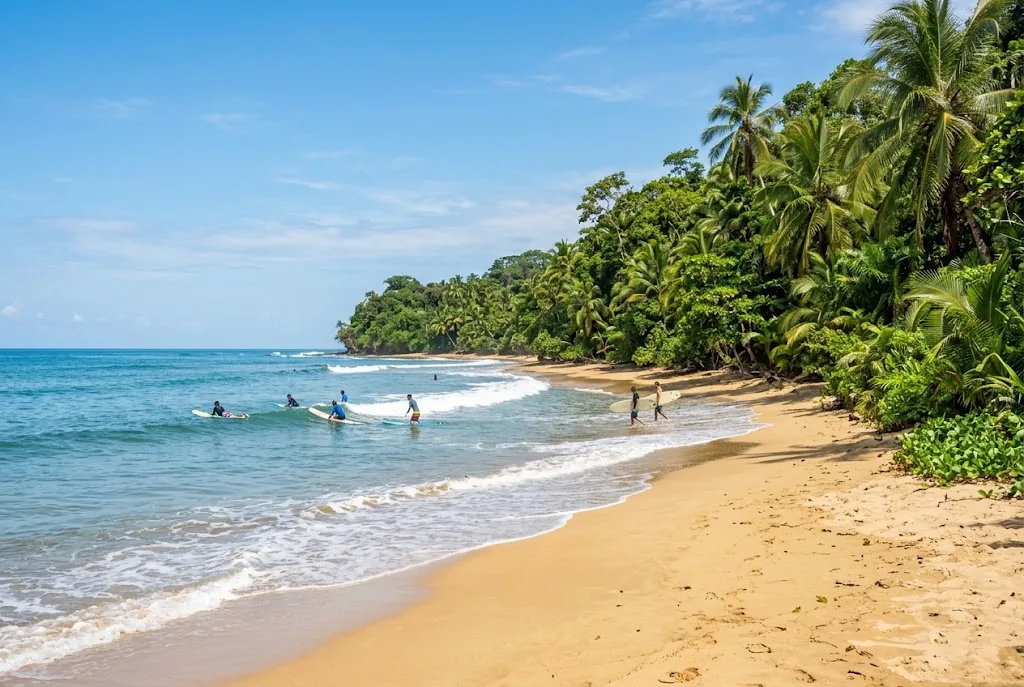
The dry season is generally associated with December through April, especially on the Pacific side and around the Central Valley. The San José averages support that broad pattern: December has 16 rainy days, January has 11, February has 8, March has 12, and April has 18.
February is the driest month in the supplied San José data, while January and March also have relatively few rainy days. These months are appealing if you want to schedule outdoor activities without building every day around the possibility of rain.
Dry season doesn't mean every location stays sunny or that rain is impossible. Local conditions vary with elevation, coast, and landscape. Mountain areas can feel cooler, and weather at a beach may differ from what you experience in the capital. Treat the Central Valley numbers as a regional reference rather than a guarantee for the whole country.
Is December a good month to visit Costa Rica?
December can be an excellent choice, particularly if you're traveling during a winter break from the United States. San José averages a high of 75°F (23.9°C), a low of 61.9°F, 16 rainy days, and 9.6 hours of sunshine daily.
Compared with February, December has more rainy days and less daily sunshine in the supplied data. Still, it can be a sensible compromise if your travel dates are fixed around the holidays. Book accommodation and popular tours early if you plan to travel during a busy holiday period, and check cancellation terms before paying for activities that depend on clear weather.
Is January a good month to visit Costa Rica?
January offers a useful combination of comfortable daytime temperatures and relatively limited rainfall in San José. The average high is 76.3°F (24.6°C), the low is 61.3°F, and the city averages 11 rainy days with 10.6 hours of sunshine each day.
It's a practical month for travelers who want to combine city sightseeing with outdoor excursions. Pack light clothes for the day, but bring a thin sweater or light jacket for cooler evenings. If you're planning a popular guided tour, reserve ahead rather than assuming you can arrange everything after arrival.
Why is February one of the best months to visit Costa Rica?
February has the lowest rainy-day count in the supplied San José data: 8 days. Its average high reaches 78.4°F (25.8°C), while its average low is 61.3°F. Daily sunshine averages 11 hours, giving travelers a strong mix of warmth and daylight.
That combination makes February an easy recommendation for first-time visitors who want to spend plenty of time outside. You can plan sightseeing, nature walks, and day trips with less concern about frequent rain than you would have during the green season. Rain is still possible, though, so keep a lightweight waterproof layer in your bag.
One catch: popular travel periods can bring greater demand for rooms, rental cars, and guided experiences. Good weather doesn't help much if your preferred hotel is already full. Arrange the essentials before you fly.
Is March too hot or rainy for Costa Rica?
March is the warmest month in the supplied San José figures, with an average high of 79.9°F (26.6°C) and an average low of 62.1°F. It averages 12 rainy days and 11.1 hours of sunshine a day.
For most visitors, those figures point to warm days and plenty of daylight, although outdoor plans should still allow some flexibility. Start hikes and longer excursions early, carry water, and avoid assuming that every afternoon will stay clear. If you dislike warmer afternoons, schedule more demanding activities in the morning and leave museums, cafes, or relaxed meals for later.
Should you visit Costa Rica in April?
April sits near the end of the typical dry-season window, but San José's averages show a change in rainfall. The average high is 79.5°F (26.4°C), and the city records 18 rainy days, with 10.2 hours of sunshine per day.
April can suit travelers who want warm conditions and don't mind a little more uncertainty. Keep your itinerary flexible, especially if it includes long outdoor excursions. When dates overlap with school holidays or major travel periods, compare accommodation options early instead of leaving the whole trip until the last minute.
For the best chance of using daylight well, put outdoor activities earlier in the day and keep a backup plan for later. A flexible itinerary is more useful than trying to predict the weather perfectly months in advance.
When is Costa Rica's green season?
The green season generally runs from May through November, although the timing and intensity of rain vary by region. In San José, the difference from the drier months is clear: May averages 27 rainy days, June 29, July 26, August 28, September 29, October 30, and November 26.
Those numbers don't mean the capital receives constant rain from morning to night. They mean rain is recorded frequently across the month. You may still enjoy sunny spells, but planning every day around long, uninterrupted outdoor activities becomes less reliable.
For travelers who enjoy forests, rich vegetation, and a less rigid schedule, the green season can be appealing. Rain brings a different feel to the landscape, and you don't have to treat a wet forecast as a reason to cancel an entire trip. Choose accommodation with comfortable indoor spaces, plan flexible activities, and bring suitable rain gear.
Honestly, I wouldn't choose October for a trip that depends on every day being dry. But if you enjoy a slower pace and can adjust plans when needed, the season may still work for you.
Is May a good time to visit Costa Rica?
May marks a noticeable shift in San José. The average high is 77.2°F (25.1°C), the low is 63.9°F, and the city averages 27 rainy days. Sunshine falls to 8.5 hours per day.
You can still enjoy the destination, but you should plan with rain in mind. Pack quick-drying clothes, a waterproof jacket, and shoes with good grip. A bag that protects your phone and camera is useful, too. Schedule outdoor activities early where possible, and avoid building the whole trip around one weather-sensitive excursion.
May may not be the best match for travelers who want a tightly packed itinerary with long days outdoors. For visitors who are comfortable with changes of plan, however, it can offer a greener setting without requiring you to abandon outdoor adventures altogether.
What should you expect in June and July?
June averages a high of 75.7°F (24.3°C), a low of 63.9°F, 29 rainy days, and 7.9 hours of sunshine daily in San José. July has the same average high and low, with 26 rainy days and 7.9 hours of sunshine.
July's lower rainy-day count compared with June may look attractive, but both months remain part of the wetter period. Don't read the figures as a promise of a dry break. Instead, think in terms of a trip where outdoor plans need backup options.
Use mornings for walks, nature excursions, or sightseeing when conditions allow. Keep indoor stops on your list, and confirm tour departure arrangements the day before. If you're renting a car, check the route and current road conditions before setting off, especially when your plans involve rural or mountainous areas.
Is August a bad month to visit Costa Rica?
August averages a high of 75.9°F (24.4°C) and a low of 63.3°F in San José. The city records 28 rainy days, while sunshine averages 8.4 hours per day.
That is a wet-month pattern, but it doesn't automatically make August a bad time to visit. The important question is how much flexibility you have. Travelers who are happy to swap a long hike for a relaxed morning or change the order of their activities may be perfectly comfortable with the conditions.
Pack a light waterproof layer, a small day bag that keeps electronics dry, and footwear that handles wet paths. If a particular activity is the main reason for your trip, confirm its weather policy before booking. That simple step can prevent disappointment later.
Should you visit Costa Rica in September or October?
September and October are among the wettest months in the San José averages. September has 29 rainy days and 8.1 hours of sunshine per day. October averages 30 rainy days, 7.5 hours of sunshine, and an average high of 74.8°F (23.8°C).
These months are not ideal if your priority is dependable dry weather in the Central Valley. Frequent rain can complicate long drives, hiking plans, and tightly scheduled excursions. If you travel then, allow extra time between destinations and check with local operators before setting out.
Still, rain frequency alone doesn't tell the whole story of a vacation. Some visitors prefer a flexible trip with quiet downtime and a focus on scenery rather than packing every day with activities. If that sounds like you, compare regional conditions carefully before choosing your dates.
Is November a good time to visit Costa Rica?
November is a transition month in the supplied San José data. It averages a high of 74.1°F (23.4°C), a low of 62.8°F, 26 rainy days, and 7.6 hours of sunshine daily.
Rain remains frequent, but November can be worth considering if your schedule doesn't fit the main dry-season months. Be realistic about what you want to do. A trip centered on flexible sightseeing may be easier to manage than one requiring several long outdoor excursions on fixed dates.
Check the forecast close to departure, ask hotels about local conditions, and avoid treating a countrywide seasonal label as a detailed prediction for your destination. Conditions can differ substantially between the Central Valley and the coasts.
Which part of Costa Rica should you visit for your trip?
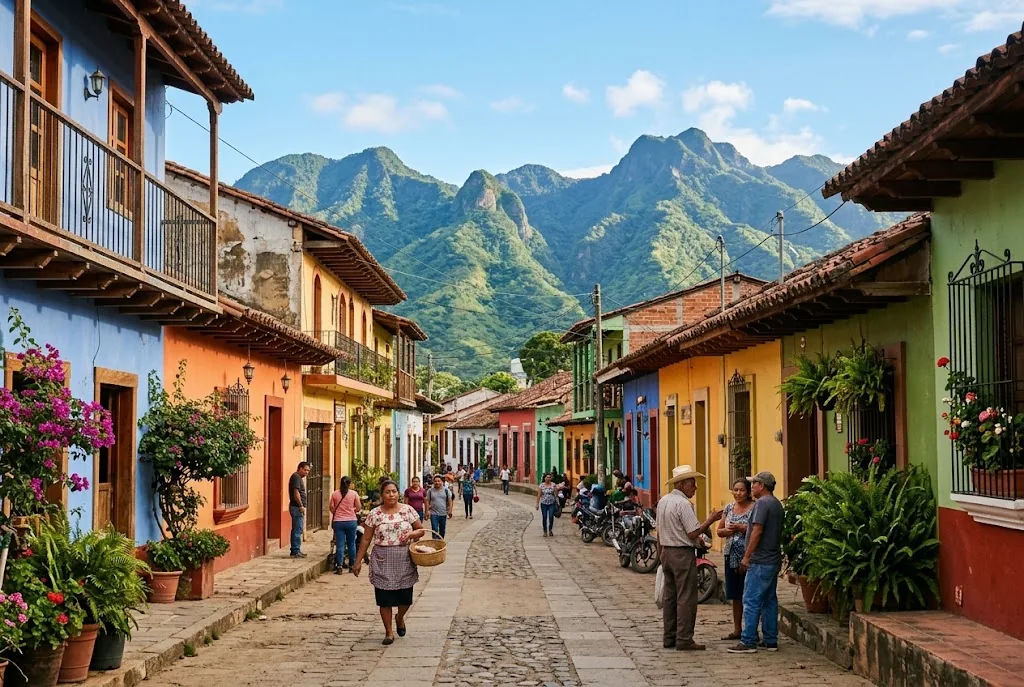
San José and the Central Valley are useful for understanding the country's inland climate, but they aren't the whole story. Costa Rica has Pacific and Caribbean coastlines, mountain areas, rainforests, and regions with different local weather patterns. The San José numbers in this guide should not be used as exact weather figures for those other places.
Is the Pacific coast a good choice?
The Pacific coast is a popular option for travelers looking for beach time, surf, coastal towns, and wildlife excursions. Coastal conditions are generally hotter than those in the Central Valley, so plan for stronger sun exposure and make sure you have sun protection, a hat, and breathable clothing.
For a trip focused on outdoor beach days, the broadly drier months can make planning easier. During the green season, rain may affect some excursions or road journeys, so keep your plans flexible and check the weather for your exact destination. Don't assume the conditions in San José will match those at your hotel by the sea.
Choose the Pacific if beaches and outdoor activities are central to your trip, but be cautious about scheduling every activity back-to-back during wetter months. If you dislike humidity or want every day to be sunny, think carefully about the season before committing to a long beach stay.
What about Costa Rica's Caribbean coast?
The Caribbean side has its own weather patterns, so the dry-season calendar used for the Central Valley and Pacific side doesn't tell the full story there. If the Caribbean coast is your main destination, research the conditions for your specific town and travel dates rather than assuming the San José rainy-day figures apply.
This matters if you're planning to split your trip between coasts. One region may be dealing with wet weather while another has more favorable conditions. Build some flexibility into your route, and avoid booking nonrefundable activities without understanding the local cancellation policy.
Should you stay in San José or head straight to nature?
San José can work well as a starting point for a trip, especially if you want to explore the Central Valley, visit museums, try local food, or arrange onward travel. Its average highs stay within a relatively narrow range across the year, while the number of rainy days changes much more noticeably.
If your main goal is a beach holiday or a stay in a rainforest lodge, don't assume you need to spend several days in the capital. Think about your arrival time, transfer arrangements, and how much time you want to spend on the road. A short stay in San José can be useful, but your final destination should drive your weather research.
What should you pack for Costa Rica's weather?
Your packing list should match the places you'll visit and the season, not just the country's tropical reputation. In San José, average lows range from 61.3°F to 63.9°F in the supplied data, so evenings can feel cooler than a beach traveler might expect.
- Lightweight daytime clothing: Breathable shirts, comfortable pants, and shorts work well for warm conditions.
- A light layer: Bring a sweater or thin jacket for cooler evenings, air-conditioned spaces, and higher elevations.
- Rain protection: A compact waterproof jacket is useful throughout the year and especially during the green season.
- Comfortable shoes: Choose walking shoes with good grip if you expect wet paths, uneven ground, or nature trails.
- Sun protection: Pack sunscreen, sunglasses, and a hat for outdoor activities, especially on the coasts.
- Water-resistant storage: Keep your phone, camera, and travel documents protected when rain is likely.
- Quick-drying items: These are particularly handy if you plan to travel during months with frequent rain.
Don't overpack heavy winter clothing for the Central Valley based on the average lows alone. A light layer is usually a more practical starting point, with adjustments for mountain stays and your own comfort.
How can you plan around Costa Rica's rainy season?
A little flexibility can make the difference between a frustrating rainy-day itinerary and a good trip. You don't need to cancel outdoor activities simply because rain is possible, but you should avoid leaving yourself with no alternatives.
- Plan outdoor activities early: Use the morning for hikes, wildlife outings, and longer excursions when the forecast looks favorable.
- Keep a backup list: Find cafes, museums, covered markets, or other indoor activities near where you're staying.
- Allow extra travel time: Weather and road conditions can affect journeys, especially on unfamiliar routes.
- Check with local guides: Tour operators can provide practical advice about conditions in the exact area you're visiting.
- Read cancellation terms: Know what happens if an activity is postponed or canceled because of weather.
- Check the forecast near departure: Monthly averages help with choosing dates, while current forecasts are better for day-to-day decisions.
For official weather information, check the Costa Rican National Meteorological Institute. For general destination planning and regional travel information, use the official Costa Rica tourism website. These are better starting points for local updates than relying on a single national seasonal label.
One common mistake is trying to fit too many distant destinations into a short trip. Rain can make a packed schedule harder to manage, and long transfers can eat into your time. Pick a few priorities, group nearby activities together, and leave room to adjust.
When should you book flights, hotels, and tours?
If you're aiming for the drier months, start comparing flights and accommodation well before your preferred dates, particularly if your travel window overlaps with school breaks or major holidays. Popular beach stays, rental cars, and guided excursions may have limited availability during busy periods.
Book the parts of your trip that are hardest to replace first. That usually means your accommodation in the destinations you most want to visit, transport between regions, and any special guided experience with limited spaces. Keep flexible activities for later, once you have a better sense of the local forecast.
Traveling during the green season calls for a slightly different approach. You may want to preserve flexibility around outdoor tours and avoid locking every day into a strict timetable. Ask accommodation providers about their cancellation rules, and confirm whether a tour runs in wet weather or requires particular trail conditions.
For help organizing dates and destinations, use the WeatherApex trip planner. Compare your preferred month with the San José monthly data, then check the weather information for the specific coast, town, or mountain region you'll visit.
Which month is best for your travel style?
The right month depends on what you want from the trip. A traveler who wants the simplest weather planning may prefer February, while someone with fixed winter-break dates may find December or January more practical. Visitors who don't mind frequent rain can consider the green season, provided they plan around changing conditions.
- For drier weather: February has the fewest rainy days in the San José data, with 8.
- For warm daytime conditions: March has the highest average high in the data, at 79.9°F (26.6°C).
- For a winter trip from the United States: December and January are practical options, but December averages more rainy days than January.
- For greener scenery and flexible plans: Consider the green season from May through November, while expecting frequent rain in San José.
- For travelers who dislike rain: Be cautious about choosing September or October for a Central Valley-focused itinerary.
- For a beach-first vacation: Check the climate and forecast for the actual coastal destination, because San José data cannot describe every region.
There isn't one perfect month for every traveler. The best choice is the one that fits your plans, budget, and tolerance for changing weather. Use the averages to narrow your dates, then check local conditions before finalizing activities.
Frequently asked questions about the best time to visit Costa Rica
What is the best month to visit Costa Rica for good weather?
February is a strong choice if you're using San José's long-term averages as your guide. It has an average high of 78.4°F (25.8°C), 8 rainy days, and 11 hours of sunshine daily. Those figures favor outdoor plans, but conditions vary by region, and no monthly average guarantees clear skies on your travel dates.
What is the rainiest month in San José, Costa Rica?
October is the rainiest month in the supplied San José dataset, averaging 30 rainy days and 7.5 hours of sunshine per day. September and June also average 29 rainy days. These are long-term monthly averages, not a promise that rain will fall continuously. Check local forecasts and keep outdoor plans flexible.
Is Costa Rica worth visiting during the green season?
Yes, if you don't need every day to be dry. San José averages 27 rainy days in May and 28 in August, so rain protection and flexible plans are important. The green season can suit travelers who enjoy lush scenery and a relaxed pace. Check conditions for each region before booking outdoor excursions.
How many days should I spend in Costa Rica?
Your ideal trip length depends on the destinations you choose, how much time you want on beaches or trails, and how many transfers you can comfortably manage. In wetter months, leave extra flexibility rather than scheduling every activity tightly. Choose a few priorities, check regional weather, and allow enough time to enjoy each stop.
Frequently asked questions
What is the best month to visit Costa Rica for good weather?
February is a strong choice based on San José's long-term averages. It has an average high of 78.4°F (25.8°C), 8 rainy days, and 11 hours of sunshine daily. These conditions favor outdoor activities, although coastal and mountain weather can differ. Check local forecasts before finalizing excursions.
What is the rainiest month in San José, Costa Rica?
October is the rainiest month in the supplied San José dataset, averaging 30 rainy days and 7.5 hours of sunshine daily. September and June average 29 rainy days. These figures describe long-term monthly patterns, not continuous rainfall. Bring rain protection and check local forecasts before planning outdoor activities.
Is Costa Rica worth visiting during the green season?
Yes, especially if you enjoy lush scenery and flexible travel plans. San José averages 27 rainy days in May and 28 in August, so rain protection is important. Schedule outdoor activities early, keep backup plans available, and check regional forecasts. Conditions vary between the Central Valley and the coasts.
How many days should I spend in Costa Rica?
Your ideal trip length depends on your destinations, interests, and available time. Allow enough time to enjoy beaches, wildlife excursions, or mountain scenery without rushing between regions. During wetter months, leave room for weather-related changes. Check local conditions, prioritize your favorite activities, and avoid an overly packed itinerary.