Best Time to Visit Puerto Rico: Weather by Month
The best time to visit Puerto Rico is generally January through April, when San Juan's average highs range from 82.4°F to 85.1°F. Compare all 12 months.
The best time to visit Puerto Rico is generally January through April. San Juan's average high temperatures range from 82.4°F to 85.1°F during these months, and monthly sunshine averages range from 10.8 to 11.9 hours a day. You want hot beach weather and do not mind more frequent rain? June and July are also worth considering, with average highs around 88°F and 12.1 hours of sunshine a day. Honestly, I always look at June first if I want maximum daylight.
Puerto Rico is a year-round destination, meaning you do not need to wait for flawless weather to plan a good trip. The trick is matching your travel dates to the kind of vacation you want. Relaxing on the beach, exploring Old San Juan, hiking in the rainforest, or spending as much time outdoors as possible all demand slightly different timing.
This guide uses 20-year weather averages from 2006 through 2025 for San Juan in January through December. These figures cover San Juan only, so treat them as regional baselines rather than exact forecasts for every single corner of the island. Mountain areas and other coastal locations experience noticeably different conditions.
What is the best time to visit Puerto Rico?
For most American travelers, January through April offers the most appealing balance of warm temperatures, outdoor sightseeing opportunities, and sunshine. These months work well if you are escaping winter weather at home and want to spend your days outside instead of visiting during the island's hotter, rainier late-summer and fall period.
March is an especially appealing choice. San Juan averages a high of 84°F, a low of 71.2°F, 12 rainy days, and 11.1 hours of sunshine a day. April gets warmer, with an average high of 85.1°F and 11.9 hours of sunshine daily, although the average number of rainy days rises to 14.
There is not one single month that suits every traveler. Winter visitors may prefer January, families tied to school schedules might find summer easier, and travelers who do not mind planning around showers often enjoy the quieter feel of a late-season trip. Hurricane season also matters when choosing your dates, particularly from June through November.
One distinct detail to remember: the rainy-day figures below describe average monthly conditions, not a guarantee that rain will fall all day long. A rainy day frequently includes useful stretches of bright sunshine, so do not automatically rule out a month just because its rainfall count looks high on paper.
Puerto Rico weather by month: What should you expect?
Use this table to compare San Juan's average temperatures, rainy days, and daily sunshine throughout the year. The figures are 20-year averages for 2006 through 2025, not forecasts for a particular travel date.
| Month | Avg high °F/°C | Avg low | Rainy days | Sunshine |
|---|---|---|---|---|
| January | 82.4°F / 28°C | 71.4°F | 12 | 10.8 hours/day |
| February | 83.1°F / 28.4°C | 71.2°F | 11 | 10.9 hours/day |
| March | 84°F / 28.9°C | 71.2°F | 12 | 11.1 hours/day |
| April | 85.1°F / 29.5°C | 72.5°F | 14 | 11.9 hours/day |
| May | 86.5°F / 30.3°C | 74.5°F | 18 | 11.8 hours/day |
| June | 88.2°F / 31.2°C | 76.3°F | 15 | 12.1 hours/day |
| July | 88°F / 31.1°C | 76.8°F | 18 | 12.1 hours/day |
| August | 88°F / 31.1°C | 77°F | 19 | 11.4 hours/day |
| September | 87.8°F / 31°C | 76.6°F | 21 | 10.8 hours/day |
| October | 86.9°F / 30.5°C | 75.9°F | 20 | 10.4 hours/day |
| November | 84.4°F / 29.1°C | 74.3°F | 19 | 10 hours/day |
| December | 82.6°F / 28.1°C | 72.7°F | 15 | 10.6 hours/day |
These numbers tell a fascinating story. Temperatures remain warm throughout the entire year, but the number of rainy days and the average daily sunshine change much more noticeably. October hits the lowest sunshine average in this dataset, while June and July share the highest daily sunshine average despite their warm temperatures and regular rainfall.
Do not use sunshine hours as a guarantee of uninterrupted beach weather, either. They provide a useful comparison between months, but actual conditions depend entirely on the weather during your specific visit.
When is the best time to visit Puerto Rico for beaches?
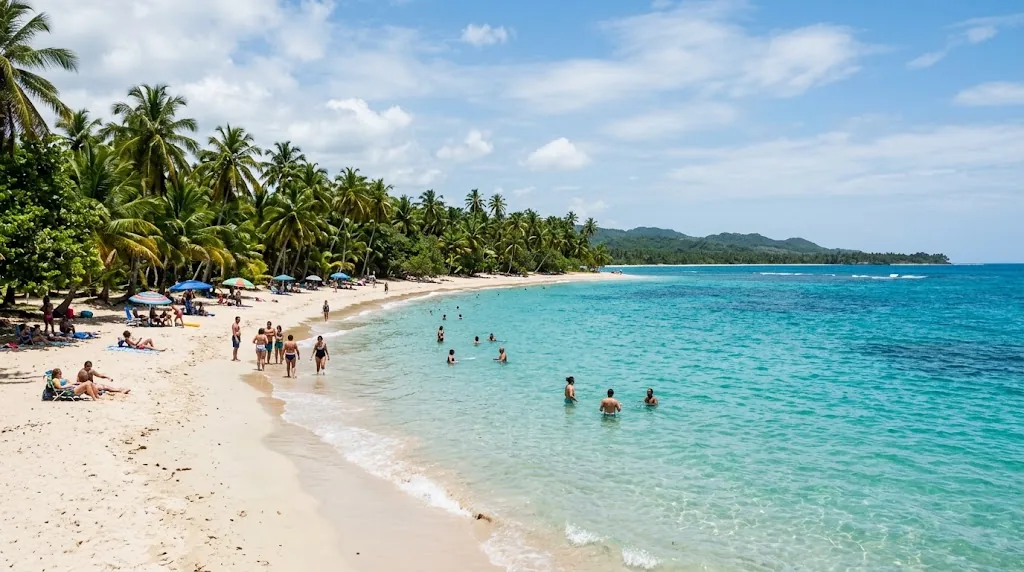
January through April is a sensible starting point if beach time is your main priority. San Juan's average highs range from 82.4°F in January to 85.1°F in April, giving you warm conditions for spending time outdoors. February has the fewest average rainy days in the dataset at 11, while March brings 11.1 hours of daily sunshine on average. Frankly, February is my favorite pick just for that low rain frequency.
June and July are also attractive for travelers who enjoy hotter weather. June has the year's highest average high in this dataset at 88.2°F, and both June and July average 12.1 hours of sunshine a day. The trade-off is that warm, humid conditions can feel exhausting if you spend the entire day in direct sunlight.
Beach plans need a little flexibility in every season. Check local marine forecasts before swimming, pay close attention to posted warnings, and avoid entering the water when conditions turn rough. Sunny weather never automatically means safe swimming conditions.
My advice: do not plan every beach visit for the middle of the afternoon. Get outside earlier, take a break during the hottest part of the day, and leave some room in your schedule for a second beach visit if the weather shifts.
Is winter a good time to visit Puerto Rico?
January: Is Puerto Rico warm enough for a winter escape?
January in San Juan brings an average high of 82.4°F, an average low of 71.4°F, 12 rainy days, and 10.8 hours of sunshine a day. It is a compelling option for Americans looking to trade cold winter weather for warm days, outdoor dining, and beach time.
The comfortable evening temperatures also make it easier to explore historic streets or enjoy dinner outside without dealing with extreme daytime heat. Pack lightweight clothes, sandals, comfortable walking shoes, and a thin layer for air-conditioned restaurants or indoor attractions.
January is not completely dry, so bring a compact rain jacket along. Travelers who want guaranteed cloudless skies every single day may be disappointed, but the overall warmth makes this a strong choice for a winter getaway.
February: Is February the best month for a Puerto Rico vacation?
February in San Juan has an average high of 83.1°F, an average low of 71.2°F, 11 rainy days, and 10.9 hours of sunshine a day. Among the months listed here, February claims the lowest average number of rainy days.
That combination makes February an excellent candidate for travelers who want warm weather without choosing one of the hottest months. You can combine beach visits with sightseeing, boat trips, and meals outdoors without building your entire itinerary around indoor activities.
Book your preferred accommodation and popular excursions early if your dates fall during a busy travel period. February is a sensible pick for couples, families, and first-time visitors who want a straightforward introduction to Puerto Rico.
March: Why do travelers like visiting Puerto Rico in March?
March in San Juan averages 84°F during the day and 71.2°F at night, with 12 rainy days and 11.1 hours of sunshine daily. The combination of warm temperatures and substantial sunshine makes it one of the strongest all-around choices in this guide.
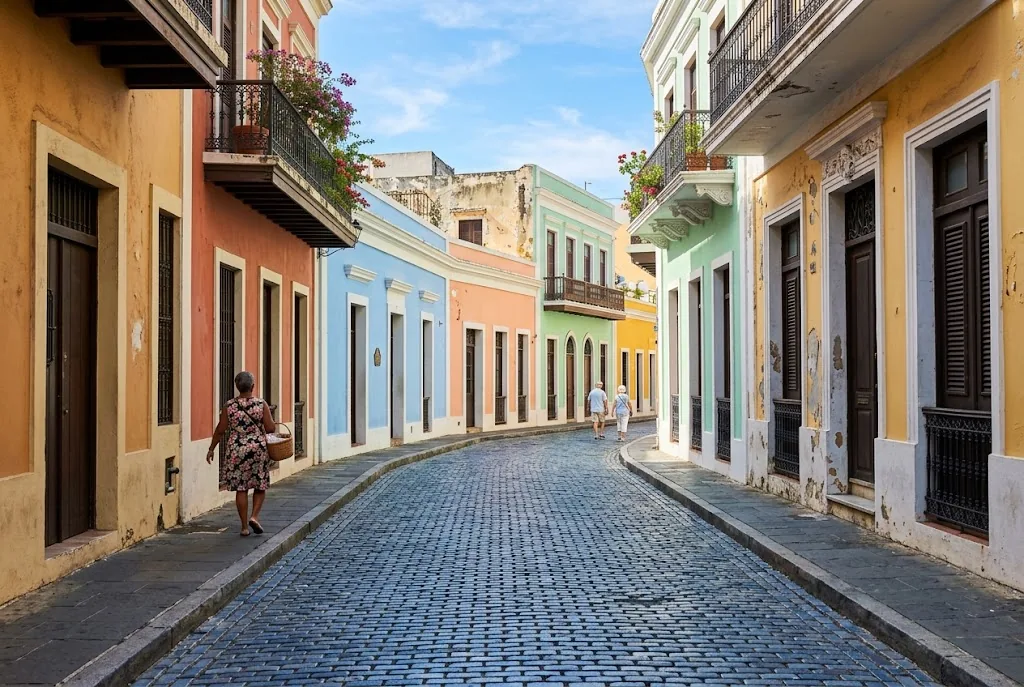
March works well for travelers who want to split their time between the beach and sightseeing. Explore Old San Juan in the morning, have a relaxed lunch, and leave the afternoon open for a swim or a break at your accommodation.
One thing to watch is the travel calendar. Popular destinations get busy during school breaks and other high-demand periods. If your schedule is flexible, compare accommodation prices before committing to specific dates.
April: Is April a good month for outdoor activities?
April in San Juan averages 85.1°F during the day, 72.5°F at night, 14 rainy days, and 11.9 hours of sunshine a day. It is warmer than the early-year months and boasts one of the highest sunshine averages in the dataset.
April suits visitors who want a mix of beach time, walking tours, and outdoor adventures. Start longer walks early, carry water, and leave a little flexibility for showers. The increased number of rainy days compared with February does not mean every outing will get interrupted.
Travelers who struggle with heat may prefer January or February instead. April remains manageable for many people, but the rising daytime temperatures make shade and regular breaks much more important.
Is May through August a good time to visit Puerto Rico?
May: Should you visit before summer gets underway?
May in San Juan has an average high of 86.5°F, an average low of 74.5°F, 18 rainy days, and 11.8 hours of sunshine a day. It is warmer than April, and rain becomes noticeably more frequent in the monthly averages.
May works well if you want a warm-weather vacation and feel comfortable adjusting plans around showers. A flexible itinerary helps: keep a beach morning penciled in, but have a museum, restaurant visit, or indoor activity ready as a backup.
It is not my first recommendation for someone who wants the simplest possible weather planning. Still, visitors who do not mind a mix of sun and rain can enjoy a solid trip, especially when they avoid packing every single day with fixed outdoor activities.
June: Is June too hot for a Puerto Rico vacation?
June in San Juan features the highest average high in this dataset at 88.2°F, an average low of 76.3°F, 15 rainy days, and 12.1 hours of sunshine a day. If you love hot weather, June deserves a hard look.
The longer sunshine average makes it appealing for beach-focused vacations, but heat management matters. Schedule walking tours and active excursions early, drink water regularly, and avoid assuming that a cloudy afternoon will feel cool.
June also falls directly within the Atlantic hurricane season. That does not mean a hurricane will affect your trip, but travelers should monitor official forecasts, understand their accommodation's cancellation terms, and consider travel insurance that matches their needs.
July: Is July good for families visiting Puerto Rico?
July in San Juan averages 88°F during the day and 76.8°F at night, with 18 rainy days and 12.1 hours of sunshine a day. Families who can travel during summer break may appreciate the long sunshine average and consistently warm weather.
Plan outings around energy levels rather than just the clock. Young children enjoy the beach much more in the morning, followed by lunch and a quiet indoor break. Keep sunscreen, hats, water, and lightweight clothing close at hand.
July is less suitable for travelers who dislike humidity or struggle with hot afternoons. It is also within hurricane season, so keep an eye on forecasts as your trip approaches and avoid booking every activity without a cancellation option.
August: What should you know before visiting in August?
August in San Juan averages 88°F during the day and 77°F at night. The monthly averages include 19 rainy days and 11.4 hours of sunshine a day.
Expect warm conditions throughout the day and less comfortable evenings than in the cooler months. Lightweight clothing, comfortable footwear, and a rain layer prove useful. Air-conditioned breaks also make a massive difference when you are sightseeing.
August is not the best fit for travelers who want the lowest possible weather-related uncertainty. It falls within hurricane season and has frequent average rainy days, so flexible bookings and a realistic backup plan are exceptionally helpful.
Do not assume that every day will be a washout, though. Monthly averages describe typical patterns, not the exact weather you will experience during a particular week.

Should you visit Puerto Rico from September through December?
September: Is September a risky month to visit Puerto Rico?
September in San Juan has an average high of 87.8°F, an average low of 76.6°F, 21 rainy days, and 10.8 hours of sunshine a day. September logs the highest average number of rainy days in this dataset.
It can still be warm enough for beach time, but this month calls for a much more cautious approach to planning. September sits right in the middle of the Atlantic hurricane season, and tropical weather can impact flights, ferries, excursions, and outdoor activities.
If you choose September, look for accommodation with a clear cancellation policy and avoid making nonrefundable plans that leave no room for changes. Check the forecast before traveling and follow official advice if a tropical system threatens the island.
Travelers who need dependable outdoor conditions for a special event should pick another month entirely. For flexible travelers who understand the seasonal risks, September remains an option, but it is not the easiest month to recommend to everyone.
October: Is October a good time to visit Puerto Rico?
October in San Juan averages 86.9°F during the day and 75.9°F at night, with 20 rainy days and 10.4 hours of sunshine a day. October registers the lowest daily sunshine average in the supplied data.
The weather remains warm, but the combination of frequent rainy days and hurricane season makes October less predictable for an outdoor-heavy itinerary. If you visit, combine flexible beach plans with food, culture, historic attractions, and other activities that function smoothly when it rains.
Check official weather updates regularly as your departure date approaches. Do not rely on a long-range forecast to make final decisions about outdoor excursions, and pay attention to airline and accommodation policies if severe weather becomes a concern.
Honestly, I would skip October if your whole trip depends on several uninterrupted days of beach weather. If you are happy to change plans on the fly, though, you can still build an enjoyable vacation around the conditions.
November: Can you visit Puerto Rico before winter?
November in San Juan averages 84.4°F during the day and 74.3°F at night. The data records 19 rainy days and 10 hours of sunshine a day.
November offers warm weather without the highest daytime temperatures of summer. It serves as a viable choice for travelers who want a tropical break before winter sets in, although the number of rainy days means you must keep some flexibility in your plans.
Hurricane season continues through November, so do not treat this month as completely free of tropical weather concerns. Check current forecasts, understand your booking terms, and keep important travel documents accessible.
For a trip focused on food, historic neighborhoods, and a mixture of indoor and outdoor activities, November works well. If uninterrupted beach weather is your top priority, the earlier part of the year offers a much more straightforward recommendation.
December: Is December a good month for a holiday in Puerto Rico?
December in San Juan averages 82.6°F during the day and 72.7°F at night, with 15 rainy days and 10.6 hours of sunshine a day. It brings warm conditions at a time when many mainland American destinations are freezing cold.
December is appealing for a holiday escape, outdoor meals, sightseeing, and beach visits. The temperatures sit slightly lower than in the summer months, which makes walking around historic areas much more comfortable.
Demand around holiday dates can make accommodation and flight planning more competitive. If you want to travel over a major holiday, book the essentials early and check cancellation rules before paying for nonrefundable options.
December still brings some rain, so pack a compact umbrella or lightweight rain jacket. For travelers who want a warm-weather break during winter, it stands as one of the strongest alternatives to January and February.
When is hurricane season in Puerto Rico?
The Atlantic hurricane season runs from June through November. Puerto Rico can experience tropical storms and hurricanes during this period, although the presence of hurricane season does not mean a storm will affect every trip or every island location.
The most useful approach is preparing without assuming the worst. Check the National Hurricane Center for official tropical weather information and follow local emergency guidance if a system approaches. Before departure, review your airline's change policies, your accommodation's cancellation terms, and your travel insurance coverage.
Do not make a decision based only on a seasonal label. June, July, August, September, October, and November can all feature warm days, but your tolerance for uncertainty matters. Travelers with rigid schedules or important outdoor events should prefer January through April. Those with flexible dates feel much more comfortable considering the later months.
Also, keep the distinction between climate averages and forecasts clearly in mind. The table shows typical monthly conditions based on historical data. It cannot tell you whether a tropical system will form during your exact travel dates.
What should you pack for Puerto Rico's weather?
For most months, lightweight clothing forms the foundation of your packing list. Breathable shirts, shorts, comfortable walking shoes, sandals, and swimwear cover much of a typical beach-and-sightseeing trip. Choose items you can wear comfortably in warm, humid conditions.
- Sun protection: Pack sunscreen, sunglasses, and a hat. Apply sunscreen before extended outdoor activities and reapply according to its directions.
- Rain protection: Bring a compact umbrella or lightweight rain jacket, particularly from May through November.
- Walking shoes: Comfortable shoes help when exploring historic streets, uneven surfaces, and outdoor attractions.
- Beach essentials: Bring swimwear, a beach cover-up, and a bag that can handle damp items.
- Indoor layers: A thin layer proves useful in strongly air-conditioned restaurants, hotels, and other indoor spaces.
- Outdoor activity gear: If your itinerary includes hiking, choose suitable footwear and carry water. Check trail conditions before setting out.
You do not need a heavy winter wardrobe for San Juan's average temperatures, but do not pack as if rain is impossible. A small rain layer often proves much more useful than an extra outfit you never wear.
How can you plan your days around Puerto Rico's weather?
Build your itinerary around the weather rather than trying to force the weather to follow your schedule. When conditions are sunny, use the morning for walking tours, beach visits, and other outdoor activities. Keep some flexibility for afternoon showers, and move indoor attractions or relaxed meals into the open spaces in your schedule.
For beach trips, check local marine conditions as well as the general forecast. If you plan a boat tour, snorkeling, or another water-based activity, ask the operator about weather cancellations and rescheduling before booking.
For rainforest or mountain excursions, check conditions for the actual destination. San Juan's weather averages do not describe every part of Puerto Rico, and conditions away from the coast differ significantly. Do not assume the forecast in the city tells the whole story for an island-wide road trip.
It is also smart to avoid overpacking your days. A schedule with one main activity and a few flexible options is easier to manage than a list of back-to-back reservations. That matters even during the months with lower average rainfall.
If you travel with children, older relatives, or anyone who finds heat uncomfortable, build in breaks and easy access to water. A slower itinerary can make a warm-weather trip much more enjoyable.
Where should you stay when visiting Puerto Rico?
San Juan is a useful starting point for first-time visitors because it combines historic sights, restaurants, beaches, and access to organized excursions. It also serves as the location covered by the weather data in this guide, so the monthly comparisons apply most directly to travelers staying in or near the city.
However, Puerto Rico is not just San Juan. If you plan to explore other coastal areas, rainforest destinations, or mountain communities, research the conditions and travel logistics for each place. The temperature and rainfall figures in the table should never be presented as precise averages for the entire island.
Think about how you want to spend your days before booking a base. Travelers who prefer restaurants and historic sightseeing want convenient access to city attractions. People focused on beach time prefer accommodation closer to the coast they plan to visit. If you want to explore several regions, consider how much time you will spend driving rather than assuming every destination sits close by.
Wherever you stay, compare the cancellation policy, transportation options, and the location's suitability for your plans. A lower room rate loses its value if it adds heavy travel time or makes it difficult to change plans when the weather shifts.
What are the biggest mistakes to avoid when choosing travel dates?
- Assuming every rainy day means all-day rain: Monthly rainy-day averages do not describe the timing or duration of each shower. Check the forecast for your actual travel dates.
- Choosing dates based on temperature alone: Warmth matters, but sunshine, rainfall, humidity, and tropical weather risks impact your plans too.
- Ignoring hurricane season: If traveling from June through November, check official updates and understand your booking protections.
- Booking every activity in advance: Some advance planning helps, but leave room to reschedule weather-dependent excursions.
- Using San Juan averages for the whole island: Different areas experience entirely different weather. Look up conditions for places outside the city.
- Underestimating the heat: Even months with pleasant evening temperatures bring hot afternoons. Carry water and plan breaks.
- Waiting too long to book popular dates: If you plan to travel during a busy holiday period, compare flights and accommodation early.
One final planning tip: do not spend your entire vacation watching the forecast. Check it before important outdoor activities, follow official warnings, and then enjoy the trip. A flexible plan beats trying to predict every shower weeks in advance every single time.
So, what is the best time to visit Puerto Rico?
For most travelers, January through April provides the best starting point. February logs the lowest average number of rainy days at 11, while March combines an average high of 84°F with 11.1 hours of sunshine daily. April is warmer and averages 11.9 sunshine hours a day, although its average number of rainy days climbs to 14.
Choose June or July if you prefer hotter conditions and long sunshine averages, but prepare for the heat and keep hurricane season in mind. August through October brings more average rainy days, with September reaching 21 and October averaging the lowest daily sunshine figure in the dataset. Those months call for much more flexible outdoor plans.
December is another appealing choice for a warm holiday escape, while November works for travelers who do not mind monitoring the weather. No month guarantees flawless conditions, and the best choice depends on your schedule, comfort with heat, and tolerance for changing plans.
Before booking, compare the monthly figures with your preferred activities, check current forecasts as your trip approaches, and use our trip planner to organize your travel plans. With realistic expectations and a little flexibility, you can enjoy Puerto Rico in any season.
Frequently asked questions
What is the best month to visit Puerto Rico?
March is an excellent choice for many travelers. San Juan averages a high of 84°F, a low of 71.2°F, 12 rainy days, and 11.1 hours of sunshine a day. January through April also offers warm weather for beaches, sightseeing, and outdoor activities, although occasional showers remain possible.
What is the rainiest month in Puerto Rico?
In the San Juan data used here, September has the highest average number of rainy days, at 21. October follows with 20 rainy days. These are historical monthly averages, not forecasts, and they do not mean rain lasts all day. Check local forecasts before planning outdoor excursions or beach visits.
When is hurricane season in Puerto Rico?
The Atlantic hurricane season runs from June through November. Tropical weather can affect travel during this period, but a storm is not guaranteed. Check official National Hurricane Center updates, review airline and hotel cancellation policies, and understand your travel insurance coverage before departure, especially when booking weather-dependent activities.
Is Puerto Rico warm enough to visit in January?
Yes. San Juan averages a daytime high of 82.4°F and a nighttime low of 71.4°F in January, with 12 rainy days and 10.8 hours of sunshine daily. It's a strong option for an American winter escape, but pack lightweight rain protection and check the forecast before outdoor activities.