Best Time of Year to Visit Japan: Monthly Weather & Tips
The best time of year to visit Japan is April with a 64°F average high or October with a mild 70.2°F high.
When Is the Best Time of Year to Visit Japan?
If you want the quick answer, the best time of year to visit Japan is spring during April when Tokyo averages a comfortable high of 64°F (17.8°C) with 8.7 hours of daily sunshine, or fall in October when temps settle around 70.2°F (21.2°C). Both months keep you comfortable while you wander outdoors without freezing your fingers off or sweating through your shirt.
Flying across the Pacific isn't cheap. Nobody wants to spend their entire vacation trapped in a hotel lobby waiting out a tropical deluge or wiping sweat off their forehead every three steps. Pick the wrong week and Japan's climate will happily wreck your day. Pick the right one and you'll get some of the crispest, pleasantest walking weather on earth.
Let's look at the numbers first. Here is how Tokyo's weather breaks down month by month, based on 20-year climate averages recorded from 2006 to 2025.
| Month | Avg High °F (°C) | Avg Low °F | Rainy Days | Daily Sunshine |
|---|---|---|---|---|
| January | 47.5°F (8.6°C) | 31.5°F | 6 days | 8.1 hours |
| February | 49.5°F (9.7°C) | 33.3°F | 8 days | 7.9 hours |
| March | 56.3°F (13.5°C) | 39.6°F | 12 days | 8.3 hours |
| April | 64°F (17.8°C) | 48.2°F | 11 days | 8.7 hours |
| May | 72.3°F (22.4°C) | 57.7°F | 12 days | 8.8 hours |
| June | 77.7°F (25.4°C) | 65.3°F | 14 days | 8.0 hours |
| July | 84.7°F (29.3°C) | 72.9°F | 15 days | 8.7 hours |
| August | 87.4°F (30.8°C) | 75.4°F | 12 days | 10.1 hours |
| September | 80.4°F (26.9°C) | 68.9°F | 14 days | 8.0 hours |
| October | 70.2°F (21.2°C) | 57.9°F | 13 days | 7.1 hours |
| November | 61°F (16.1°C) | 46.8°F | 10 days | 7.1 hours |
| December | 51.8°F (11°C) | 36.7°F | 7 days | 7.5 hours |
You can check active seasonal transit alerts or entry requirements directly on the Japan National Tourism Organization site before booking any non-refundable hotel rooms.
What Is the Best Time of Year to Visit Japan for Good Weather?
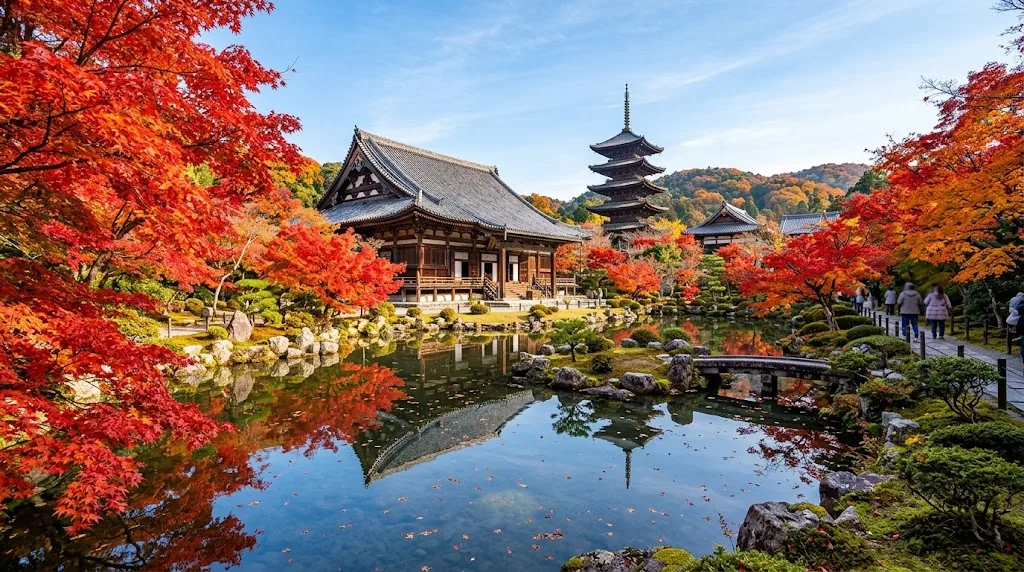
Spring and autumn run away with the crown. You get moderate afternoon temps, clear skies, and manageable moisture. No oppressive mugginess. No freezing winds blowing off the mountains.
Spring builds momentum through April and May. In April, Tokyo reaches an average high of 64°F (17.8°C) and cools to 48.2°F overnight. You get 8.7 hours of sun every day. That means you can log 15,000 steps across town in a denim jacket without shivering or soaking through your clothes. May dials up the warmth to an average high of 72.3°F (22.4°C) with 8.8 hours of daily sunshine and 12 rainy days. Honestly, I'd book the second half of May if you want warm afternoons without spring's insane accommodation markups.
Autumn matches spring step for step. October hits an average high of 70.2°F (21.2°C) with an average low of 57.9°F. Rain lands on 13 days, but most showers blow through quickly. By November```html
When Is the Best Time of Year to Visit Japan?
If you want the quick answer, the best time of year to visit Japan is during spring in April, when Tokyo averages a high of 64°F (17.8°C) with 8.7 hours of sunshine daily, or fall in October with a comfortable 70.2°F (21.2°C) high. Both windows give you clear skies, mild walking weather, and iconic scenery without extreme heat or bitter cold.
Planning a flight across the Pacific takes real effort. You do not want to spend your hard-earned vacation sitting inside a hotel room staring at a torrential downpour or sweating through three shirts a day. Japan's weather varies wildly depending on when you step off the plane, and timing your arrival changes everything about your experience.
Below is a quick cheat sheet covering Tokyo's monthly weather averages. These figures come from 20-year historical climate data collected between 2006 and 2025.
| Month | Avg High °F (°C) | Avg Low °F | Rainy Days | Daily Sunshine |
|---|---|---|---|---|
| January | 47.5°F (8.6°C) | 31.5°F | 6 days | 8.1 hours |
| February | 49.5°F (9.7°C) | 33.3°F | 8 days | 7.9 hours |
| March | 56.3°F (13.5°C) | 39.6°F | 12 days | 8.3 hours |
| April | 64°F (17.8°C) | 48.2°F | 11 days | 8.7 hours |
| May | 72.3°F (22.4°C) | 57.7°F | 12 days | 8.8 hours |
| June | 77.7°F (25.4°C) | 65.3°F | 14 days | 8.0 hours |
| July | 84.7°F (29.3°C) | 72.9°F | 15 days | 8.7 hours |
| August | 87.4°F (30.8°C) | 75.4°F | 12 days | 10.1 hours |
| September | 80.4°F (26.9°C) | 68.9°F | 14 days | 8.0 hours |
| October | 70.2°F (21.2°C) | 57.9°F | 13 days | 7.1 hours |
| November | 61°F (16.1°C) | 46.8°F | 10 days | 7.1 hours |
| December | 51.8°F (11°C) | 36.7°F | 7 days | 7.5 hours |
You can cross-check official travel notices and seasonal advisory updates on the official Japan National Tourism Organization website before booking flights.
What Is the Best Time of Year to Visit Japan for Good Weather?
Spring and autumn win this competition every single time. No contest. Spring brings mild afternoons, blooming trees, and low humidity. Autumn delivers crisp mornings, clear blue skies, and brilliant red maple leaves across every park.
How do the numbers stack up? In April, Tokyo tops out at an average high of 64°F (17.8°C) and drops to 48.2°F at night. You get 8.7 hours of daily sunshine. Walking around all afternoon in a light denim jacket feels effortless because you never freeze or break a sweat. May warms up quickly, climbing to an average high of 72.3°F (22.4°C) with 8.8 daily sunshine hours and 12 rainy days. Honestly, I'd book the second half of May if you want warm, easy days before summer humidity sets in.
Autumn is equally good, if not better. October sits right in the comfort sweet spot with an average high of 70.2°F (21.2°C) and an average low of 57.9°F. By November, daytime highs drop down to 61°F (16.1°C), and rain drops to just 10 days total out of the month.
Is Spring Really Worth the Hype?
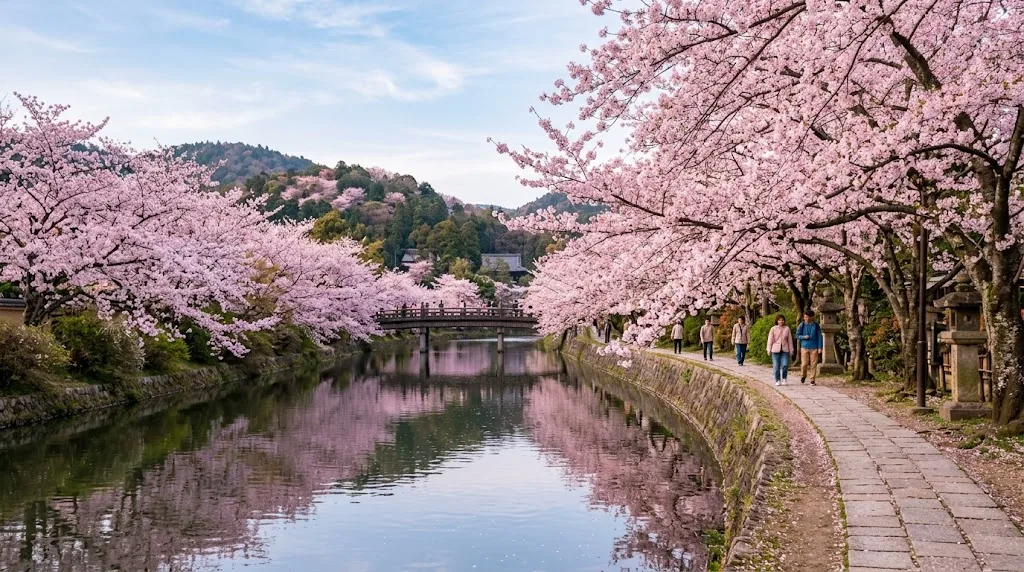
Yes, but you need to know what you are signing up for. Cherry blossom season usually peaks in late March and early April. Everyone wants to see those delicate pink petals, which means hotel prices double overnight and major train stations get completely packed with tours.
In March, Tokyo reaches an average high of 56.3°F (13.5°C) and an average low of 39.6°F, with 12 rainy days and 8.3 hours of daily sunshine. Cold ocean breezes still slice through the street canyons. If you plan to sit on a blue tarp in a public park for a traditional flower-viewing party, pack heavy wool socks and a serious thermal layer. That ground gets cold fast.
Honestly, I'd skip late March if you hate wall-to-wall crowds and prefer quiet sightseeing. You end up shuffling through packed public parks behind megaphones. Early May offers fantastic warm weather, lush green gardens, and far fewer international tour groups once the local Golden Week holiday ends.
Why Autumn Might Be Better Than Spring
Fall foliage lasts longer than spring cherry blossoms. A single windy afternoon storm can blow every pink petal off the branches in April, ruining weeks of planning. Autumn leaves stay bright red and orange on the trees for several weeks straight throughout October and November. The air stays dry, clear, and easy to breathe.
November sees an average low of 46.8°F, so you need a real coat once the sun dips down. But daytime hours are gorgeous. You get 7.1 hours of bright sunshine and an average high of 61°F (16.1°C). If you love hiking temple trails or shooting street photography, late autumn is tough to beat.
What Month Should You Avoid Visiting Japan?
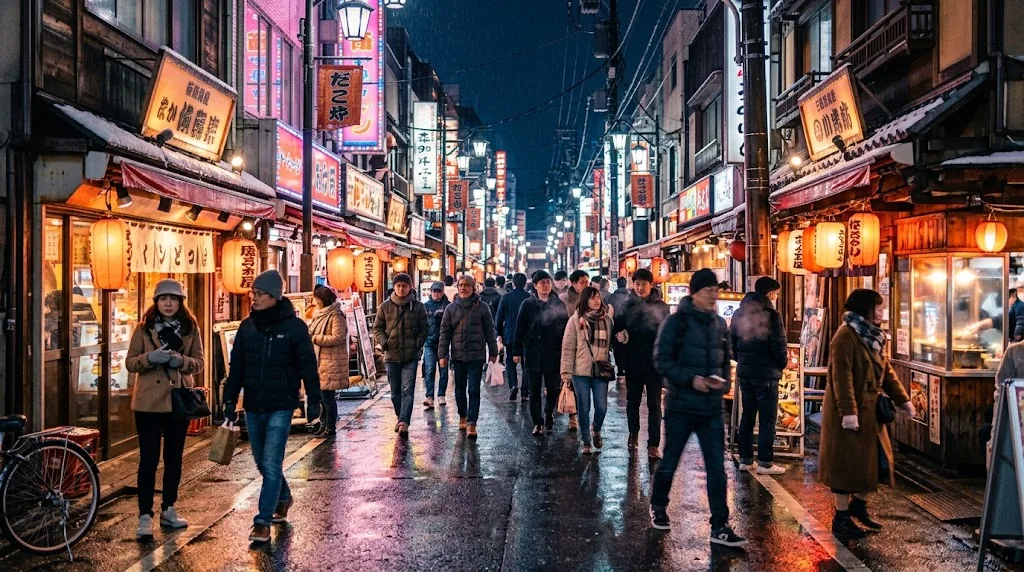
Mid-summer is pure torture if you hate sticky heat. June, July, and August bring high heat, oppressive air, and the dreaded rainy season. Unless you thrive in tropical steam or plan to spend your whole trip up in northern mountain lodges, summer requires serious mental and physical preparation.
June kicks off the rainy season, locally called tsuyu. Tokyo logs an average high of 77.7°F (25.4°C) and an average low of 65.3°F in June, along with 14 rainy days. Rain in June is not just a fast afternoon cloudburst. It often means persistent, damp drizzle for four straight days while your damp socks refuse to dry in your hotel room.
July turns up the temperature knob to an average high of 84.7°F (29.3°C) and an average low of 72.9°F, accompanied by 15 rainy days. Sunshine jumps to 8.7 hours per day, but that heavy air turns every outdoor walk into a sweat session. Frankly, I think July in Tokyo is miserable unless you stay inside air-conditioned malls.
How Bad Is the Summer Heat and Humidity?
August takes the crown as the hottest month of the year in Tokyo. The average high hits 87.4°F (30.8°C), and night offers zero relief with an average low of 75.4°F. Even with 10.1 hours of daily sunshine, stepping onto asphalt city streets feels like standing in front of an open oven door.
What does that mean for your daily itinerary? Look at what you actually face during peak summer:
- Constant, dense humidity that makes an 87.4°F day feel like 102°F.
- Public health warnings on news screens advising people to limit outdoor movement.
- Sudden localized downpours that completely soak through canvas shoes in seconds.
- Packed subway cars where heat gathers fast despite overhead fans.
Must visit in summer anyway? Start your days before 7:00 AM. Duck into convenience stores every thirty minutes to grab cold green teas, carry a small cotton hand towel to wipe your forehead, and lean heavily on underground walking tunnels connecting major subways.
What About Typhoon Season?
Late summer and early fall bring typhoon activity straight off the Pacific Ocean. September averages a warm high of 80.4°F (26.9°C) and a low of 68.9°F, with 14 rainy days and 8.0 hours of daily sunshine. Big tropical storms can shut down bullet train lines and delay flight departures for a full day or two. Keep an eye on live weather warnings using the official Japan Meteorological Agency portal to stay informed during your trip.
What Is Winter Like for Travelers in Japan?
Winter is Japan's hidden bargain season. Cold? Yes. But Tokyo stays remarkably dry and sunny compared to the wet summer months.
December cools down to an average high of 51.8°F (11°C) and an average low of 36.7°F. Rain drops significantly to just 7 days out of the month, while sunshine hovers around 7.5 hours daily. January stands as the coldest month, posting an average high of 47.5°F (8.6°C) and a crisp average low of 31.5°F, with only 6 rainy days and 8.1 sunshine hours. That means clean air and blue skies almost every day.
February stays chilly with an average high of 49.5°F (9.7°C), an average low of 33.3°F, 8 rainy days, and 7.9 hours of sunshine. Honestly, I'd pass on February unless you are heading north to ski. However, city travelers willing to wear heavy wool coats and thick scarves will find cheaper airfares, quiet temples, and almost non-existent lines at major museums.
Detailed Month-by-Month Breakdown for Planning Your Trip
Every single month in Japan brings a completely different outfit, atmosphere, and daily budget. Let's look closely at how every month feels on the ground so you can pick the exact right week for your vacation style.
January in Tokyo: Crisp Air, Clear Skies, and Winter Solitude
January brings cold, dry weather that clears out air pollution. With an average high of 47.5°F (8.6°C) and an average low of 31.5°F, mornings feel sharp and frosty. You only get 6 rainy days across the whole month, making it one of the driest times of the year. Daily sunshine reaches an impressive 8.1 hours. Mount Fuji is often clearly visible from city skyscrapers during this month because the winter air holds so little moisture.
What should you pack? Bring a heavy down coat, thermal base layers, a knit hat, and gloves. You will take your shoes off often at temples, restaurants, and traditional inns, so pack thick, warm socks without holes.
Crowds are low after the first week of New Year celebrations ends. The biggest advantage of January is walking through historic districts like Asakusa or Yanaka without pushing past thousands of tourists. The main downside? Short winter days mean the sun drops behind buildings by 4:30 PM, and outdoor gardens look mostly bare and brown.
February in Tokyo: Late-Winter Chill and Plum Blossoms
February feels very similar to January, but the sun stays up slightly longer. Tokyo hits an average high of 49.5°F (9.7°C) and an average low of 33.3°F. Rain remains minimal with just 8 rainy days, and sunshine averages 7.9 hours a day. While cold wind blows in from the sea, late February sees the start of plum blossom blooms, which offer subtle pink colors and sweet scents before cherry blossoms ever appear.
What should you pack? Stick with your heavy winter coat, warm scarves, and layerable sweaters. Indoor venues, trains, and department stores blast their heaters, so wearing easily removable layers prevents you from sweating inside.
This is a quiet month for travel. You can stroll through shrine grounds without waiting in long queues. Sightseeing feels relaxed and slow-paced. On the downside, freezing evening temperatures make sitting outside at night markets or outdoor eateries completely unappealing.
March in Tokyo: The Transition Season Begins
March shifts gears from winter to spring. The average high jumps to 56.3°F (13.5°C), while the average low rests at 39.6°F. Rain days increase to 12 as spring weather systems roll through, though you still enjoy 8.3 hours of sunshine per day. Early March can still feel surprisingly raw and cold, but late March turns noticeably milder as excitement for cherry blossoms builds across the city.
What should you pack? A medium-weight jacket, a windbreaker, layerable long-sleeve shirts, and a compact umbrella for sudden spring showers. Leave the heavy arctic down coat at home, but do not rely on light summer sweaters just yet.
By late March, crowd levels surge dramatically. Travelers from across the world pour into Tokyo to catch the opening blooms. Hotel room prices jump, and popular parks fill up early in the day. The downside to March is unpredictability: one day feels like 65°F and sunny, while the next brings 42°F rainstorms.
April in Tokyo: Peak Cherry Blossoms and Pleasant Walks
April delivers classic spring conditions. An average high of 64°F (17.8°C) paired with an average low of 48.2°F makes this one of the most comfortable months for walking miles across city neighborhoods. Tokyo gets 11 rainy days and a generous 8.7 hours of sunshine daily. Trees burst into full pink and white bloom during the first half of the month, turning city parks into vibrant gathering spots.
What should you pack? Light jackets, denim coats, comfortable walking sneakers, and layerable tops. A light scarf works well for brisk evenings when temperatures drop toward 48°F.
This is prime travel season. Parks like Ueno and Yoyogi fill with local families and international travelers sharing picnics under blossom canopies. The atmosphere feels lively and festive. The downside? You will deal with massive crowds at every major sight, long lines for popular restaurants, and peak hotel pricing.
May in Tokyo: Warm Days and Fresh Green Foliage
May provides warm, pleasant weather right before summer rain starts. Tokyo reaches an average high of 72.3°F (22.4°C) and an average low of 57.7°F. Expect 12 rainy days alongside 8.8 hours of bright daily sunshine. Gardens turn brilliant green, and outdoor terrace dining becomes popular across neighborhoods like Shibuya and Roppongi.
What should you pack? T-shirts, light trousers, comfortable sneakers, and a light sweater for breezy nights. Bring an umbrella for occasional rain showers, but leave heavy winter gear at home.
If you visit during mid to late May, crowds drop off significantly compared to April. It is a fantastic window for exploring open-air sights, botanical gardens, and neighborhood shopping streets. The only real downside is Golden Week at the very start of May, when local holiday travel congests domestic trains and hotel availability drops to near zero.
June in Tokyo: The Arrival of TSuyu Humidity and Drizzle
June brings Japan's official rainy season, known locally as tsuyu. High temperatures rise to an average of 77.7°F (25.4°C), and low temperatures rarely drop below 65.3°F. Tokyo records 14 rainy days across June, with daily sunshine dropping back down to 8.0 hours. Humidity jumps up, making the air feel thick and heavy even on overcast days.
What should you pack? Quick-drying shirts, breathable water-resistant shoes, lightweight rain jackets, and a heavy-duty umbrella. Avoid dark denim or thick cotton fabrics that stay damp for hours after getting caught in a downpour.
June is surprisingly pleasant if you like quiet museums, indoor art galleries, and stunning hydrangea gardens that bloom vividly in wet weather. Crowds clear out from major tourist hubs. The downside is obvious: wet shoes, high humidity, and gray skies that obscure mountain views.
July in Tokyo: Summer Heat and Festival Season
July turns hot and muggy fast. The average high rises to 84.7°F (29.3°C), with average low temperatures holding at a warm 72.9°F. Rain days peak at 15 for the month, but daily sunshine stays strong at 8.7 hours between passing storms. High humidity levels push the heat index well above 90°F on most afternoons, turning outdoor walking into a sweaty chore.
What should you pack? Ultra-light breathable clothing, shorts, linen shirts, sunglasses, wide-brim hats, sunscreen, and small cooling hand towels. You will want shoes that handle humidity and rain equally well.
July shines when it comes to night entertainment, traditional summer street festivals, and colorful evening fireworks displays along city rivers. Mountain hiking trails also open up fully for the season. The major downside? Scorching afternoon heat that leaves you completely drained if you stay outdoors too long.
August in Tokyo: Peak Heat, Bright Sun, and Energy
August is the hottest month of the year in Tokyo. The average high peaks at 87.4°F (30.8°C), and nights stay warm with an average low of 75.4°F. Despite 12 rainy days, August delivers the highest daily sunshine average of the year at 10.1 hours. The sun burns bright, and asphalt city streets radiate heat long after dusk.
What should you pack? The lightest summer clothing you own, electrolyte powder packets, a UV-blocking sun umbrella, and plenty of light t-shirts. Expect to change shirts at least twice a day if you are active outdoors.
August brings vibrant energy, night markets, and lively local celebrations. It is also peak season for high-altitude mountain hiking where air stays cooler. The downside? Sweating through your clothes five minutes after leaving your hotel, intense midday sun, and sudden tropical thunder showers.
September in Tokyo: Tropical Storms and Warm Evenings
September keeps much of summer's warmth while adding tropical storm activity. Tokyo posts an average high of 80.4°F (26.9°C) and an average low of 68.9°F. Rain days sit at 14, with daily sunshine averaging 8.0 hours. High humidity slowly begins to ease toward the end of the month, making late September evenings far more comfortable than August nights.
What should you pack? Light summer gear for daytime walking, an umbrella, waterproof footwear, and a light shirt for air-conditioned indoor spaces or cooler late-September evenings.
Crowds thin out as summer breaks end, making sight-seeing at urban temples much easier. The trade-off? September sits squarely in peak typhoon season. Powerful tropical weather systems can bring heavy wind, torrential rain, and train service suspensions for 24 to 48 hours at a time.
October in Tokyo: The Sweet Spot for Comfortable Travel
October offers ideal autumn conditions across the city. Tokyo averages a comfortable high of 70.2°F (21.2°C) and a crisp low of 57.9°F. You get 13 rainy days and 7.1 hours of clear daily sunshine. Humidity drops completely away, leaving dry, clear air that makes long outdoor walks through parks and traditional shopping streets pure pleasure.
What should you pack? Light jacket layers, long-sleeve cotton tops, comfortable jeans, and good walking shoes. You rarely need heavy rain gear or bulky coats during this month.
October is fantastic for outdoor activities, food tours, and neighborhood exploration. Temperatures feel perfect from morning to night. Honest downside? October is no secret among savvy travelers, so hotel rates remain higher than winter figures and popular photography spots get busy.
November in Tokyo: Brilliant Autumn Colors and Crisp Air
November delivers crisp weather and stunning fall foliage. The average high cools down to 61°F (16.1°C), while average low temperatures sink to 46.8°F. Rain drops back down to just 10 days, accompanied by 7.1 hours of bright daily sunshine. Leaves on ginkgo trees turn bright golden yellow, while maple trees turn deep red across public parks and temple gardens.
What should you pack? A solid autumn coat, warm sweaters, a light scarf, and warm socks. You will want layers you can easily shed when stepping onto warm, heated train cars.
Foliage viewing in November matches cherry blossom season for sheer natural beauty, but with lower overall hassle and slightly smaller crowds. Walking through golden-leafed avenues on a clear 60°F afternoon is hard to beat. The main downside? Evening temperatures drop quickly once the sun sets around 4:45 PM.
December in Tokyo: Clear Skies, Winter Lights, and Cold Nights
December marks the start of clear, cold winter weather. Tokyo reaches an average high of 51.8°F (11°C) and drops to an average low of 36.7°F at night. Rain falls on only 7 days, giving you 7.5 hours of bright daily sunshine. City streets and shopping districts put up massive winter light illuminations that look incredible after sunset.
What should you pack? A heavy winter coat, warm gloves, a thick scarf, thermal undershirts, and comfortable walking shoes that fit thick socks.
December features low tourist numbers during the first three weeks, clear views of surrounding mountain ranges, and fantastic night light displays across districts like Shibuya and Roppongi. The downside? Cold night air forces you indoors early, and many small family businesses close down completely from late December into early January for the New Year holiday.
How Do You Choose the Best Time of Year to Visit Japan for Your Trip?
Your ideal travel window comes down to your personal travel style, crowd tolerance, and budget. Use our online trip planner tool to map out your daily route based on these seasonal shifts.
Choose Spring (March – May) If:
- You want to catch cherry blossom season in full bloom.
- You prefer mild daytime temps around 64°F for long walking tours.
- You do not mind booking hotels six to nine months in advance.
Choose Autumn (September – November) If:
- You love vibrant fall leaf displays and crisp afternoon air.
- You want comfortable outdoor weather with fewer rain disruptions than summer.
- You want clear winter-like views of snow-capped mountains without bitter cold.
Choose Winter (December – February) If:
- You are looking for cheaper flights and lower hotel rates.
- You enjoy clear, sunny days with dry winter weather averaging 47.5°F to 51.8°F.
- You want to soak in hot springs or visit northern snow regions.
Choose Summer (June – August) If:
- You are traveling with kids on summer school break.
- You want to attend traditional summer street festivals and fireworks shows.
- You can handle heat rising above 87°F alongside heavy humidity and afternoon rain.
Frequently asked questions
What is the best time of year to visit Japan for good weather?
Spring and autumn offer the best weather. April averages a comfortable high of 64°F (17.8°C) with 8.7 sunshine hours, while October hits a pleasant 70.2°F (21.2°C) with low rainfall.
Which month is the coldest in Tokyo?
January is the coldest month in Tokyo. It features an average low of 31.5°F and an average high of 47.5°F (8.6°C), along with just 6 rainy days and 8.1 sunshine hours.
How hot does Tokyo get in the summer?
August is Tokyo's hottest month, averaging a high of 87.4°F (30.8°C) and an average low of 75.4°F. It averages 12 rainy days and 10.1 hours of sunshine daily.
When is the rainy season in Tokyo?
June and July mark the wettest period in Tokyo. June sees 14 rainy days with a 77.7°F high, while July logs 15 rainy days with an average high of 84.7°F.