Best Time to Visit Alaska: Weather Guide by Month
The best time to visit Alaska is usually June or July, when Anchorage averages highs of 61.9°F and 64.8°F, respectively, with long sunshine hours.
June through July hits the sweet spot if you want milder weather, long daylight hours, and good conditions for exploring the outdoors, with Anchorage averaging highs of 61.9°F (16.6°C) in June and 64.8°F (18.2°C) in July. May works nicely for travelers who prefer fewer rainy days than late summer. December through February suits visitors who want a true winter trip and don't mind average highs ranging from 20.5°F (-6.4°C) to 24.6°F (-4.1°C) in Anchorage.
Alaska isn't a destination where one month works for everyone. A summer road trip, a winter trip focused on snow, and a visit to coastal communities can feel like completely different vacations. Your ideal dates depend on what you want to do, how much cold you're comfortable with, and how much rain you're willing to accept.
This guide uses 20-year weather averages from 2006 to 2025 for Anchorage, the main city covered by our monthly data. Alaska is enormous, so conditions elsewhere can differ considerably. The interior gets hotter in summer and colder in winter, while Southeast Alaska tends to be milder and wetter. Use Anchorage as a useful reference, not a forecast for every corner of the state.
What is the best time to visit Alaska?
For most first-time visitors, June and July are the easiest months to recommend. Anchorage averages 61.9°F (16.6°C) in June and 64.8°F (18.2°C) in July, with 12.5 and 11 hours of daily sunshine, respectively. Those temperatures are comfortable for walking, sightseeing, and spending time outdoors without the deep cold of winter.
June gets the edge if daylight and comfortable touring weather matter most. July is a little warmer on average, which can make it appealing for travelers who want to spend long days outside. Both months have rainy days, so don't plan as if every day will be sunny.
May and August deserve a look, too. May averages a high of 53.6°F (12°C), with 12 hours of sunshine per day and 10 rainy days. August averages 62.4°F (16.9°C), but Anchorage records 17 rainy days and 8.8 hours of daily sunshine. August can still be pleasant, but you should be more prepared for wet weather.
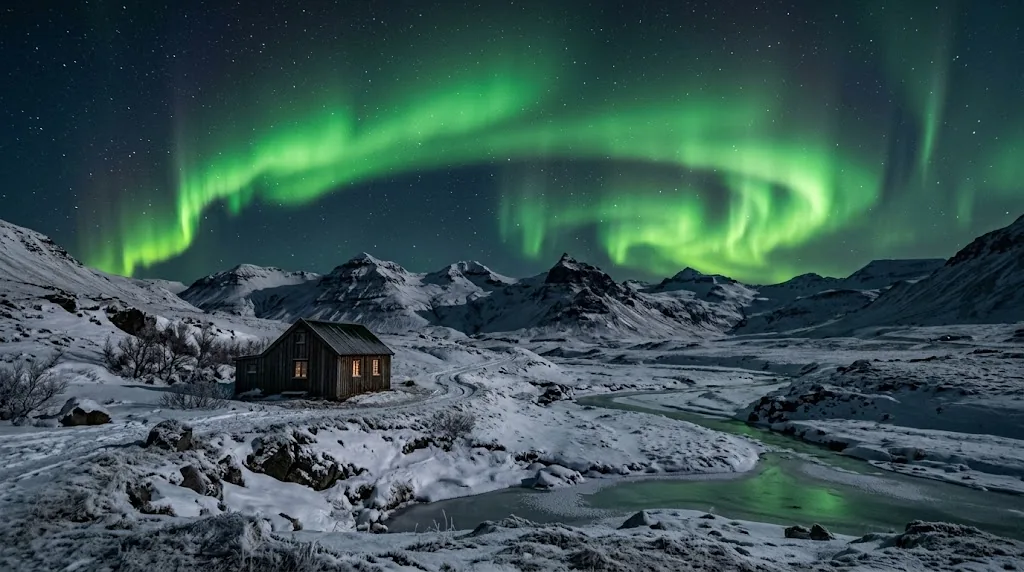
For winter scenery and cold-weather activities, January and February are better starting points. Anchorage averages highs of 20.5°F (-6.4°C) in January and 24.6°F (-4.1°C) in February. Expect short days, cold conditions, and clothing needs that are very different from a summer visit.
Honestly, if this is your first trip and you have flexibility, I'd start by looking at June or July. You'll have a better balance of temperatures and daylight for a general sightseeing trip.
Alaska weather by month: temperatures, rain, and sunshine
The table below shows monthly averages for Anchorage from 2006 through 2025. Average highs are listed in Fahrenheit and Celsius, while average lows are shown in Fahrenheit because that's how the supplied data was provided. Rainy days and sunshine are monthly averages, not guarantees for your travel dates.
| Month | Avg high °F/°C | Avg low | Rainy days | Sunshine |
|---|---|---|---|---|
| January | 20.5°F / -6.4°C | 12.2°F | 12 | 2.9 hours/day |
| February | 24.6°F / -4.1°C | 15.3°F | 11 | 4.9 hours/day |
| March | 30.7°F / -0.7°C | 18.3°F | 9 | 7.9 hours/day |
| April | 42.1°F / 5.6°C | 27.9°F | 9 | 10.1 hours/day |
| May | 53.6°F / 12°C | 38.7°F | 10 | 12 hours/day |
| June | 61.9°F / 16.6°C | 48.7°F | 11 | 12.5 hours/day |
| July | 64.8°F / 18.2°C | 53.2°F | 13 | 11 hours/day |
| August | 62.4°F / 16.9°C | 51.4°F | 17 | 8.8 hours/day |
| September | 54.3°F / 12.4°C | 44.1°F | 18 | 6.8 hours/day |
| October | 41.7°F / 5.4°C | 32.7°F | 14 | 5.2 hours/day |
| November | 26.6°F / -3°C | 18.3°F | 12 | 3.3 hours/day |
| December | 22.5°F / -5.3°C | 14°F | 14 | 1.7 hours/day |
One detail jumps out: summer is much brighter than winter. Anchorage averages 12.5 hours of sunshine per day in June, compared with just 1.7 hours in December. Sunshine hours describe average daily sunshine, not the total number of daylight hours, so don't use this column as a measure of when the sun rises or sets.
Rain also changes through the year. March and April average nine rainy days each, while September averages 18 and August averages 17. These figures can help you compare months, but a rainy-day average doesn't tell you how heavy the rain will be or how long it will last.
What is Alaska like in January?
January in Anchorage is a cold, dark winter month. The average high is 20.5°F (-6.4°C), the average low is 12.2°F, and the city averages just 2.9 hours of sunshine per day.
This is a month for travelers who genuinely want winter. Snow-covered scenery and cold-weather experiences may be part of the appeal, but sightseeing can take more planning when temperatures are low and daylight is limited. Keep outdoor plans flexible, especially if you're unfamiliar with winter driving or walking on icy surfaces.
Bring insulated outerwear, warm gloves, a hat that covers your ears, and boots with good traction. Layering helps because you'll want different levels of warmth outdoors and inside heated buildings.
January isn't my first recommendation for a casual first visit if you mainly want scenic road trips and relaxed outdoor sightseeing. Choose it when winter is the reason you're going, rather than something you hope to work around.
Is February a good time to visit Alaska?
February in Anchorage remains firmly wintry, with an average high of 24.6°F (-4.1°C) and an average low of 15.3°F. The city averages 11 rainy days and 4.9 hours of sunshine per day.
Compared with January, February has a higher average high and more daily sunshine. That makes it worth considering if you want a winter trip but would prefer somewhat brighter conditions. It is still cold enough that suitable clothing and sensible outdoor planning matter every day.
Pack warm base layers, an insulating mid-layer, a wind-resistant coat, and winter footwear. Avoid planning every activity outdoors from morning until evening. Build in indoor stops and check local conditions before setting off.
February can work well for visitors who enjoy the atmosphere of winter and don't expect springlike weather. If cold makes you miserable, wait until late spring or summer.
What should you expect in March in Alaska?
March in Anchorage is a transition month, though it still feels like winter. The average high reaches 30.7°F (-0.7°C), the average low is 18.3°F, and sunshine averages 7.9 hours a day. Anchorage averages nine rainy days.
Longer sunny periods can make March feel more inviting than the darkest winter months, but temperatures remain cold. A sunny afternoon doesn't mean you can leave the winter coat at home, particularly if you're spending time outside for long stretches.
Dress for freezing conditions and watch for icy paths. If you're planning to drive outside the city, check road conditions and allow room in your schedule for weather-related changes.
March is a reasonable choice for travelers who want a winter setting with increasing sunshine. It is less suitable if your plans depend on warm walks, comfortable evenings outdoors, or mild conditions throughout the day.
Is April too early to visit Alaska?
April in Anchorage brings a noticeable move toward spring. The average high is 42.1°F (5.6°C), the average low is 27.9°F, and sunshine averages 10.1 hours per day. The city averages nine rainy days.
April can be a practical shoulder-season choice for travelers who don't need warm weather and prefer increasing daylight. Expect changeable conditions. Some days may feel pleasant in the sun, while mornings and evenings remain cold. Snow and ice may still affect outdoor surfaces and travel plans.
A warm jacket, layers, water-resistant footwear, and gloves are sensible choices. Don't pack only for the average afternoon high; the average low is below freezing.
April isn't the safest bet for someone who wants a classic summer trip with reliably mild conditions. It can be rewarding for flexible travelers, but check the opening dates and operating schedules for the specific attractions you want to visit before paying for nonrefundable plans.
Why visit Alaska in May?
May in Anchorage is one of the more appealing shoulder-season options. The average high is 53.6°F (12°C), the average low is 38.7°F, and the city averages 12 hours of sunshine a day with 10 rainy days.
Those numbers make May a sensible compromise between winter's cold and the busier summer travel period. You can plan for walks and scenic stops without dealing with the colder average temperatures of early spring. You'll still need a jacket, particularly in the morning, evening, or near exposed waterfront areas.
May also gives you more daylight for sightseeing than the winter months. The important catch is that spring doesn't arrive at exactly the same time everywhere in Alaska. Conditions in the interior, along the coast, and in mountainous areas can differ, and individual trails or attractions may not be ready for the season.
Pack layers, comfortable walking shoes, a waterproof outer layer, and clothing you can adjust as temperatures change. Check seasonal opening dates before you build an itinerary around a particular tour or outdoor attraction.
For travelers who prefer cooler weather and want to avoid the deepest winter conditions, May deserves serious consideration. Just don't mistake a higher average temperature for a guarantee of warm weather.
Is June the best month to visit Alaska?
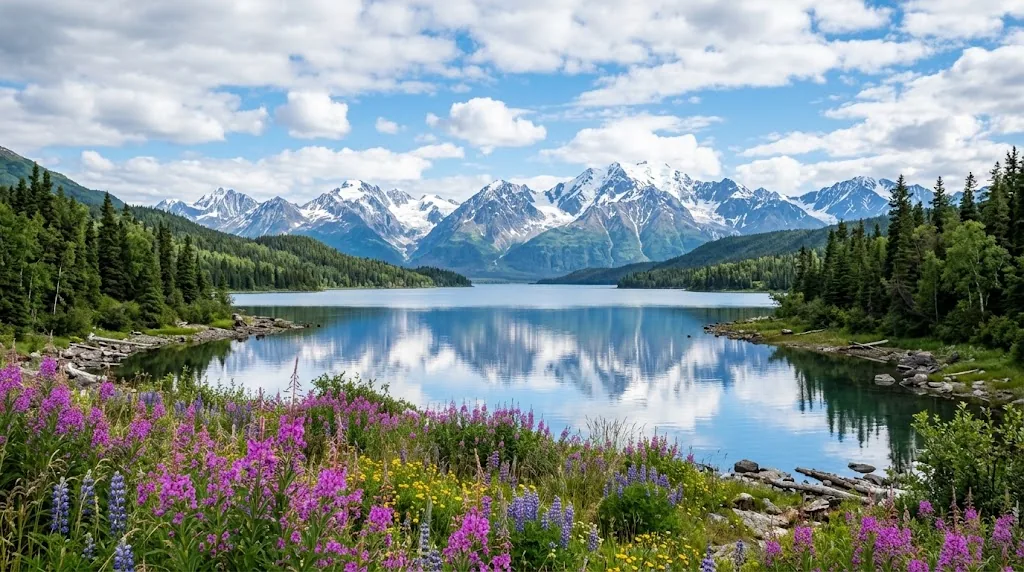
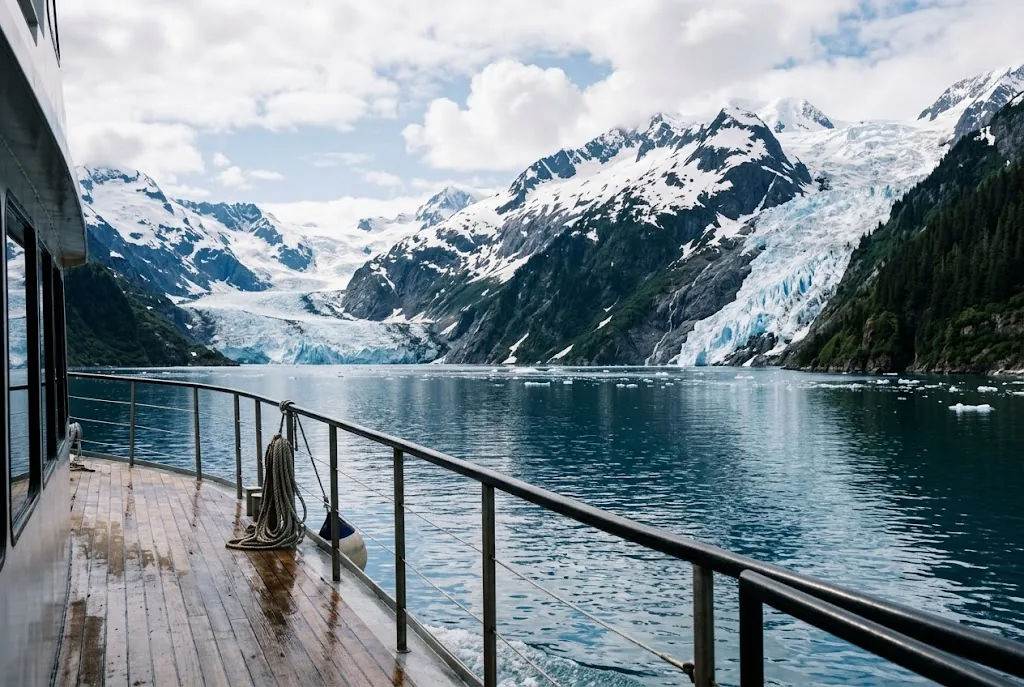
June in Anchorage is one of the strongest choices for a first trip. The average high is 61.9°F (16.6°C), the average low is 48.7°F, and daily sunshine averages 12.5 hours. Anchorage records 11 rainy days on average.
That combination makes June attractive for general sightseeing, outdoor walks, and road-trip itineraries. Daytime temperatures are often comfortable for activity, although a light jacket is still useful. Evenings can be cool, and rain remains a possibility.
Long daylight can make the days feel wonderfully open. You have more flexibility to spread sightseeing across the day, pause for photographs, or spend extra time at a scenic stop without feeling that the day has disappeared. Still, don't assume every attraction is open late or that all tours run every day. Confirm operating schedules before you go.
Book popular tours and accommodation ahead of time if your dates are fixed. For a summer road trip, check rental-car availability and map out fuel and overnight stops before you leave major towns. Distances can make an apparently simple day of driving feel longer than expected.
I'd put June near the top of the list for travelers who want a little of everything. It's especially appealing if your priorities are comfortable daytime temperatures and lots of sunshine rather than heat.
Should you visit Alaska in July?
July in Anchorage has the warmest average high in the supplied monthly data: 64.8°F (18.2°C). The average low is 53.2°F, with 13 rainy days and 11 hours of sunshine per day.
For many visitors, July is the easiest month to picture when planning an outdoor-focused Alaska vacation. Daytime weather is relatively mild, and the average low is higher than in June. Pack a mix of T-shirts, long sleeves, a fleece or sweater, and a waterproof jacket instead of relying on summer clothing alone.
There's a trade-off. July averages 13 rainy days, compared with 11 in June and 10 in May. That doesn't make July a bad choice, but it does mean rain should be part of your plan. Waterproof outerwear and shoes that handle wet paths will get used.
July is a sensible pick for travelers who want the warmer part of the year and expect to spend a lot of time outdoors. If you dislike planning around rain or prefer a quieter shoulder-season feel, compare May and June before settling on your dates.
Reserve accommodation, rental cars, and must-do tours early when possible. Don't assume you can arrange every popular activity after you arrive, especially if you have limited flexibility in your schedule.
Is August a good month to visit Alaska?
August in Anchorage remains mild, with an average high of 62.4°F (16.9°C) and an average low of 51.4°F. However, Anchorage averages 17 rainy days and 8.8 hours of sunshine per day.
Temperature-wise, August is still close to July. The bigger difference in the supplied averages is the wetter pattern and reduction in sunshine. You can still enjoy a trip in August, but you'll want a flexible itinerary with indoor alternatives and outdoor plans that can move around if the weather turns.
Bring a waterproof jacket, quick-drying layers, and comfortable shoes that can cope with damp conditions. If you're heading into remote areas, be more careful about assuming a trail or scenic viewpoint will be dry just because the forecast looks reasonable.
August may suit visitors who can adjust their plans and don't mind rain. Honestly, I'd skip it in favor of June if your schedule is fixed and long stretches of sunshine are a major priority. If August is the only time you can travel, though, it can still be a rewarding time to explore.
What is September like in Alaska?
September in Anchorage brings cooler temperatures and a wetter monthly average. The average high is 54.3°F (12.4°C), the average low is 44.1°F, and the city averages 18 rainy days. Daily sunshine falls to 6.8 hours.
September can appeal to travelers who prefer cool weather over summer warmth. The average high is still above 50°F, but you'll need more layers than you would in July. Mornings and evenings can feel chilly, especially if you're standing still outdoors or spending time near the water.
Rain deserves real attention. With 18 rainy days in the averages, September has the highest number of rainy days in the supplied Anchorage data, tied only with no other month. Plan indoor alternatives and leave some flexibility between activities that depend on good weather.
A waterproof shell, warm mid-layer, long trousers, and practical walking shoes make sense. Check opening schedules for seasonal tours and attractions, as some businesses reduce their operating days or close after the main summer season.
September is not my first choice for travelers who want the warmest weather and the best chance of long sunny days. It can suit those who are comfortable with cooler, wetter conditions and have a flexible schedule.
Is October a good time to travel to Alaska?
October in Anchorage has an average high of 41.7°F (5.4°C), an average low of 32.7°F, 14 rainy days, and 5.2 hours of sunshine a day.
This is a colder, darker time to visit than the main summer months. Conditions may be suitable for a trip built around indoor attractions, city sightseeing, or a particular seasonal interest, but outdoor itineraries need more care. Don't assume summer tour schedules will still be available.
Pack a warm coat, several layers, a hat, gloves, and footwear suitable for wet or icy ground. Check the forecast and local road conditions close to departure, particularly if your itinerary includes driving beyond Anchorage.
October can be a poor fit for a first-time visitor who has a long list of outdoor activities and little flexibility. It may work for someone who knows exactly what they want to see and is happy to adapt when weather affects the plan.
Why visit Alaska in November?
November in Anchorage averages a high of 26.6°F (-3°C), a low of 18.3°F, 12 rainy days, and 3.3 hours of sunshine per day.
Winter conditions are returning, and the limited sunshine can influence how you organize each day. Keep plans realistic, give yourself time to warm up indoors, and check local conditions before setting off on longer journeys. Cold-weather clothing is essential, not optional.
November is better suited to travelers who want a cold-season visit than those who hope to spend long days walking outdoors in mild weather. Before booking, check that the attractions and tours you care about are operating on your dates.
For a general first trip, I'd usually look at June or July before November. Choose November when the time of year itself fits your plans and you understand the limits that cold and short days can place on sightseeing.
Is December worth visiting Alaska?
December in Anchorage averages a high of 22.5°F (-5.3°C) and a low of 14°F. Sunshine averages only 1.7 hours per day, the lowest figure in the supplied data, and Anchorage averages 14 rainy days.
December is a winter trip, plain and simple. Cold temperatures and limited sunshine mean you should plan your activities carefully rather than expect long outdoor sightseeing days. If you enjoy the winter atmosphere, that can be part of the appeal. If you want mild weather, it's a poor match.
Bring serious cold-weather layers, insulated gloves, warm socks, and boots with traction. Make sure your outer layers work together to keep you warm and dry. Plan indoor breaks, and check local weather and road conditions before traveling outside the city.
December can be appealing for travelers with a specific winter itinerary, but it's not the most flexible time for a broad sightseeing vacation. Book with a clear understanding of the season and leave room for changes if conditions interfere with your plans.
When is the best time to visit Alaska for different activities?
The best month depends on what you want to do. Weather is only one part of the decision; seasonal schedules, road access, tour availability, and conditions at your destination matter, too. Use the Anchorage averages as a starting point and check details for the places on your itinerary.
When is the best time to visit Alaska for a first trip?
June and July are the strongest starting points for most first-time visitors. Anchorage averages highs of 61.9°F (16.6°C) in June and 64.8°F (18.2°C) in July. Both months offer long sunshine averages and temperatures that suit a range of outdoor activities.
June has slightly fewer average rainy days than July, while July has the higher average high. If those differences matter to you, compare your priorities rather than assuming one month is always better. Either can work well with sensible packing and flexible plans.
When is the best time to visit Alaska for hiking and outdoor sightseeing?
June and July are useful months to investigate first because of their milder Anchorage averages and longer sunshine periods. May can also appeal to travelers who prefer cooler conditions, with an average high of 53.6°F (12°C) and 12 hours of daily sunshine.
Weather alone cannot confirm that a particular trail is ready for visitors. Conditions vary with elevation, location, and recent weather. Check the local trail information and access guidance before setting out, wear suitable footwear, and bring an extra layer even if the city forecast looks comfortable.
When is the best time to visit Alaska for a winter vacation?
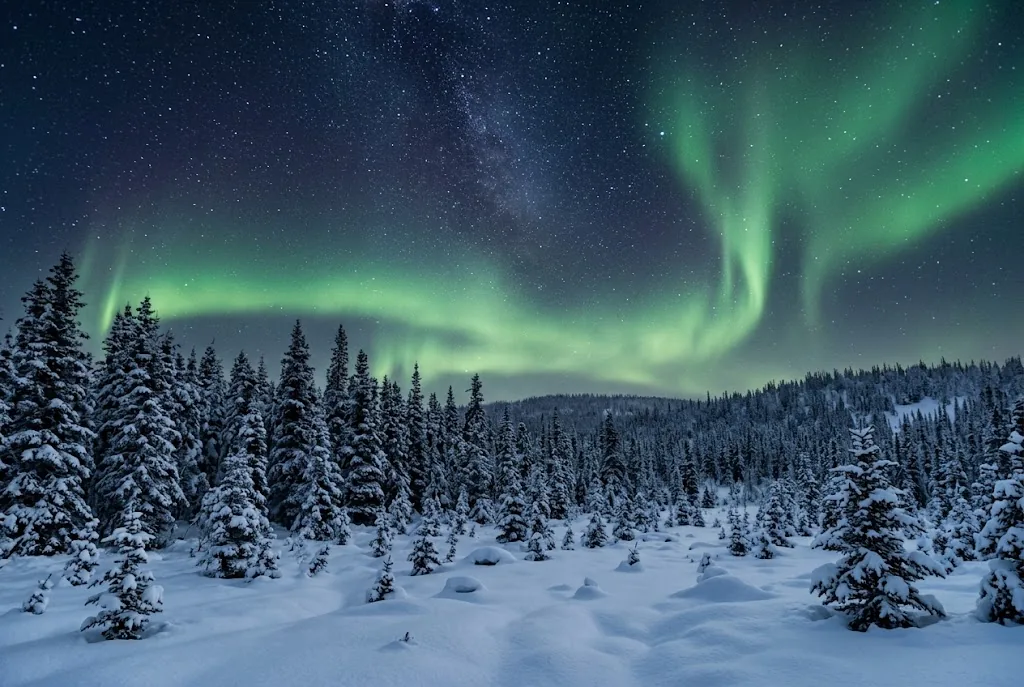
January and February are obvious months to consider for a winter-focused trip. Anchorage averages highs of 20.5°F (-6.4°C) in January and 24.6°F (-4.1°C) in February. February has more average daily sunshine, but both months require proper winter clothing and careful planning.
Check the dates, location, and operating schedule for any winter activity before making it the center of your trip. Winter conditions can vary across the state, so don't assume that what's available in Anchorage will be available in a smaller community.
When should you visit if you want to avoid rain?
Based on the supplied Anchorage averages, March and April each have nine rainy days, the lowest monthly figure in the table. May averages 10 rainy days. These months are cooler than summer, though, and a lower rainy-day average doesn't guarantee dry weather during your visit.
If milder temperatures matter more than avoiding rain, June may be a better compromise. It averages 11 rainy days and a high of 61.9°F (16.6°C). August and September are less appealing if minimizing rainy days is your main goal, with 17 and 18 rainy days respectively.
Does Alaska's weather vary by region?
Yes, and this is one of the biggest things to understand before you book. Alaska covers a huge area, and Anchorage's monthly averages can't tell the full story for every destination. A trip that includes different regions can involve noticeably different temperatures, rain patterns, and local conditions.
What is the weather like in Anchorage and Southcentral Alaska?
Anchorage is a useful reference point for travelers exploring Southcentral Alaska. Its averages show cold winters, a gradual warming trend through spring, and milder summer highs. June and July are the warmest months in the supplied data, while January is the coldest by average high.
Still, don't treat Anchorage as a stand-in for every nearby destination. Coastal locations, mountain areas, and places farther inland can experience different weather. Check forecasts and seasonal information for each stop rather than packing based only on the city average.
Is interior Alaska hotter in summer and colder in winter?
Yes. Interior Alaska experiences greater temperature extremes than coastal areas, with hotter summers and colder winters. That means summer afternoons can feel much warmer than Anchorage's averages suggest, while winter conditions can be significantly colder.
If your itinerary heads inland, pack for the conditions expected at your actual destinations. Don't assume that a mild forecast for Anchorage tells you what to expect farther inland. Check local information before you leave and be prepared for temperature changes as you travel.
Is Southeast Alaska wetter and milder?
Southeast Alaska generally has a milder, wetter climate than the interior. Coastal communities can experience frequent rain and damp conditions, so a waterproof jacket and footwear are particularly useful for trips in this region.
Even in summer, plan for wet weather rather than relying on sunshine alone. Bring layers that remain comfortable when damp conditions persist, and leave room in your schedule for changes to outdoor plans. A sunny Anchorage average does not mean a coastal destination will be dry.
What should you pack for Alaska?
Your packing list should match your travel dates and destinations, not just the word "summer" or "winter" on your calendar. Anchorage's average July high is 64.8°F (18.2°C), but its average low is 53.2°F. In May, the average high is 53.6°F (12°C) and the average low is 38.7°F. Neither month calls for packing as if every day will be hot.
- Use layers. Bring a base layer, a fleece or sweater, and an outer jacket so you can adjust as temperatures change.
- Pack rain protection. A waterproof jacket and practical footwear are useful, especially if your trip includes August, September, or Southeast Alaska.
- Choose comfortable shoes. Walking shoes with good grip are useful for sightseeing. For trails, choose footwear suited to the terrain and conditions.
- Prepare for cold evenings. Even in summer, a warm layer can make outdoor stops much more comfortable.
- Bring winter gear when needed. For trips from November through March, pack proper insulation, warm gloves, a hat, and footwear designed for cold conditions.
- Keep a small day bag handy. Carry extra layers and rain protection when you leave your accommodation for a full day.
Don't overpack heavy clothing for a summer trip, but don't leave your jacket behind either. A few versatile layers are usually more useful than a suitcase full of clothes designed for one temperature.
What should you book before traveling to Alaska?
Start with your route and the activities that matter most. If you're traveling in June or July, book accommodation, rental cars, and popular guided activities early enough to protect your preferred dates. Availability depends on the destination and operator, so check actual schedules instead of assuming everything will be open.
For a road trip, work out the driving distances before you finalize your overnight stops. Allow time for scenic breaks, meals, and changes in weather. A route that looks simple on a map can take longer when you want to stop frequently or when conditions slow your progress.
Check seasonal opening dates for attractions, tours, and visitor services. This is especially important during spring and fall, when some operations may not yet have started or may be winding down. Confirm cancellation policies before paying for plans that depend on clear weather.
For current conditions, the National Weather Service is a useful place to check official forecasts and weather alerts. For destination planning, the official Alaska travel website offers information to help you explore different parts of the state.
Before finalizing your route, use our trip planner to organize the stops and timing around the kind of trip you want to take. Then check the weather close to departure, since long-term averages can't tell you exactly what conditions you'll face.
What mistakes should you avoid when choosing when to visit Alaska?
- Assuming all of Alaska has the same weather. Interior Alaska has hotter summers and colder winters, while Southeast Alaska is generally wetter and milder. Check the conditions for each destination.
- Planning around daytime highs alone. Average lows can be much colder, especially in spring, fall, and winter. Pack for mornings and evenings as well as afternoons.
- Expecting sunshine every day. Even the warmer months have rainy days in Anchorage. Carry rain protection and keep a backup plan for outdoor activities.
- Booking activities without checking the season. Tour schedules and access can vary. Confirm operating dates before building your itinerary around a particular experience.
- Leaving everything until arrival. If your dates are fixed and you want particular accommodation or guided activities, check availability early rather than assuming you can arrange everything at the last minute.
- Ignoring local forecasts. Monthly averages are useful for choosing dates, but a current forecast is more useful for deciding what to wear and whether to change tomorrow's plans.
The simplest way to avoid disappointment is to match your expectations to the season. Alaska rewards preparation, and a little flexibility can make a weather-related change feel like a minor adjustment instead of a ruined day.
So, what is the best time to visit Alaska?
For most travelers, June and July offer the best balance of comfortable temperatures and sunshine in Anchorage. June averages a high of 61.9°F (16.6°C), 11 rainy days, and 12.5 hours of sunshine per day. July is warmer, with an average high of 64.8°F (18.2°C), but averages 13 rainy days and 11 hours of sunshine.
Choose May if you'd like a cooler shoulder-season trip, or consider August if you can work around more frequent rain. September is cooler and averages 18 rainy days, while winter months are better for visitors who specifically want a cold-weather experience.
Most importantly, choose dates based on the trip you actually want. Anchorage's averages are a helpful starting point, but regional differences matter. Check the forecast for each destination, pack layers, confirm seasonal schedules, and leave some breathing room in your itinerary. Do that, and you'll be much better prepared to enjoy Alaska in the season that suits you.
Frequently asked questions
What is the best month to visit Alaska?
June is an excellent choice for many first-time visitors. Anchorage averages a high of 61.9°F (16.6°C), 11 rainy days, and 12.5 hours of sunshine daily. These conditions offer a useful balance for sightseeing and outdoor activities. July is another strong option if you prefer slightly warmer average temperatures.
What is the warmest month in Alaska?
July has the warmest average high in the supplied Anchorage data, reaching 64.8°F (18.2°C). The average low is 53.2°F, with 13 rainy days and 11 hours of sunshine per day. Other parts of Alaska can be hotter in summer, particularly the interior, so check local conditions for your destination.
What is the rainiest month in Anchorage, Alaska?
September has the highest number of rainy days in the supplied Anchorage averages, with 18 days. August averages 17 rainy days, making both months wetter than June, which averages 11. These are long-term averages, not guarantees for individual trips. Pack waterproof layers and keep flexible alternatives for outdoor plans.
Can you visit Alaska in winter?
Yes, Alaska can be visited in winter if you're prepared for cold weather and limited sunshine. Anchorage averages a high of 20.5°F (-6.4°C) in January and 22.5°F (-5.3°C) in December. Bring insulated clothing, gloves, a warm hat, and suitable boots. Check local conditions and seasonal activity schedules before traveling.