Best Time to Visit Puerto Vallarta: Dry Season, Whales and Rainy Months
The best time to visit Puerto Vallarta is November to May, with March and April the driest months and up to 11.8 hours of sun. August is the wettest month at 12.0 inches of rain.
The best time to visit Puerto Vallarta is November to May, and our favorite stretch inside that window is February to April. In those months the town gets almost no rain (April averages zero rainy days), highs sit between 81.3F and 84.4F (27.4C and 29.1C), and the sun shines for 10.5 to 11.8 hours a day. From June to October it is a very different place: 10 to 12 inches of rain a month at the peak, nights near 76F (24C), and humidity close to 90%.
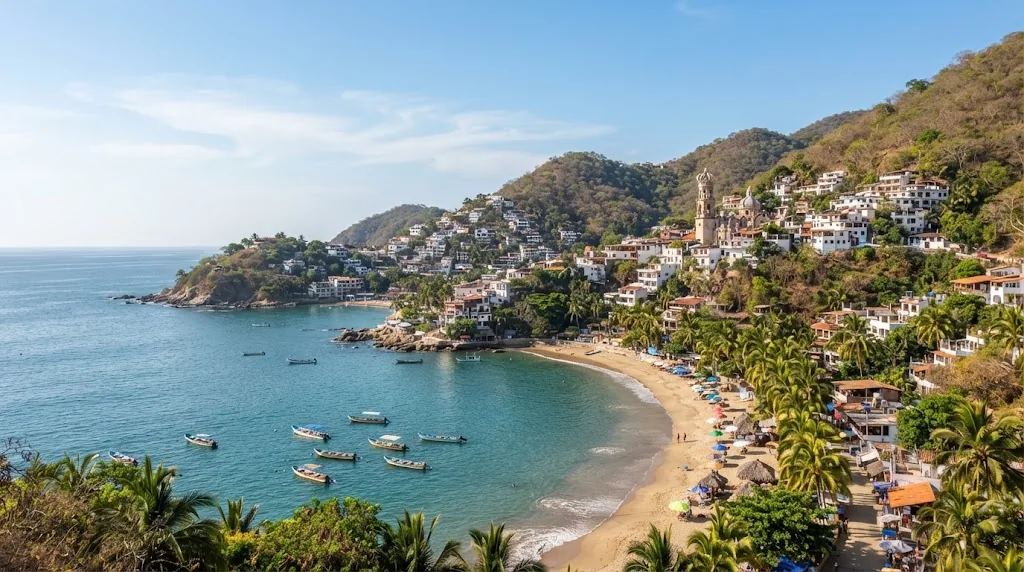
Puerto Vallarta sits on the Pacific coast of Mexico, on the curve of Banderas Bay, with the Sierra Madre mountains right behind it. That geography gives it a sharp two-season climate. One season is dry, sunny and comfortable. The other is green, hot, stormy and much cheaper. Both have their fans. Here is how the year really breaks down.
Best time to visit Puerto Vallarta: weather by month
The table shows WeatherApex 20-year averages (2006 to 2025) for Puerto Vallarta. Nuevo Vallarta, Bucerías and the towns around the bay follow a very similar pattern, although the beach towns further north can feel a little breezier.
| Month | Avg high F (C) | Avg low F (C) | Rain (in / mm) | Rainy days | Sun hours per day | Humidity |
|---|---|---|---|---|---|---|
| January | 81.1 (27.3) | 64.6 (18.1) | 0.6 / 15 | 2 | 9.8 | 80% |
| February | 81.3 (27.4) | 63.9 (17.7) | 1.0 / 24 | 2 | 10.5 | 80% |
| March | 82.6 (28.1) | 63.7 (17.6) | 0.4 / 11 | 1 | 11.5 | 77% |
| April | 84.4 (29.1) | 65.7 (18.7) | 0.0 / 1 | 0 | 11.8 | 76% |
| May | 87.3 (30.7) | 70.0 (21.1) | 0.6 / 16 | 3 | 11.8 | 77% |
| June | 87.1 (30.6) | 75.0 (23.9) | 6.1 / 155 | 16 | 10.0 | 84% |
| July | 87.4 (30.8) | 76.1 (24.5) | 10.1 / 257 | 25 | 9.2 | 87% |
| August | 87.4 (30.8) | 76.3 (24.6) | 12.0 / 305 | 28 | 8.8 | 88% |
| September | 86.7 (30.4) | 75.9 (24.4) | 11.2 / 284 | 26 | 8.5 | 89% |
| October | 86.7 (30.4) | 75.0 (23.9) | 5.4 / 138 | 18 | 9.8 | 86% |
| November | 85.1 (29.5) | 70.7 (21.5) | 1.1 / 28 | 4 | 10.2 | 83% |
| December | 82.0 (27.8) | 66.7 (19.3) | 1.1 / 27 | 3 | 9.6 | 82% |
The rain column tells the story. From November to May, monthly totals stay around an inch or less, and March and April are nearly bone dry. Then June jumps to 6.1 inches (155 mm), and August peaks at 12.0 inches (305 mm) over 28 rainy days. Temperatures change less than the rain does, but the nights tell you a lot: 63.9F (17.7C) in February against 76.3F (24.6C) in August. That gap is the difference between sleeping with the window open and running the air conditioning all night.
The dry season, month by month
November and December: the season opens
November is when Puerto Vallarta comes back to life after the rains. Highs are still warm at 85.1F (29.5C), rain falls to 1.1 inches (28 mm) over 4 days, and the hills behind town are still green from the summer. It is one of our favorite value months: the weather is good and the winter crowds have not yet arrived.
December is drier still, with 3 rainy days, and it cools to 82.0F (27.8C) by day and 66.7F (19.3C) at night. The last two weeks of the month are among the busiest and priciest of the year, so book early or aim for the first half. See Puerto Vallarta weather in December for the numbers.
January and February: whale season
January and February are classic winter escape months. Highs hold at about 81F (27C), there are only 2 rainy days a month, and sunshine climbs from 9.8 to 10.5 hours a day. Nights are the coolest of the year, close to 64F (18C), which most visitors find refreshing after a hot afternoon.
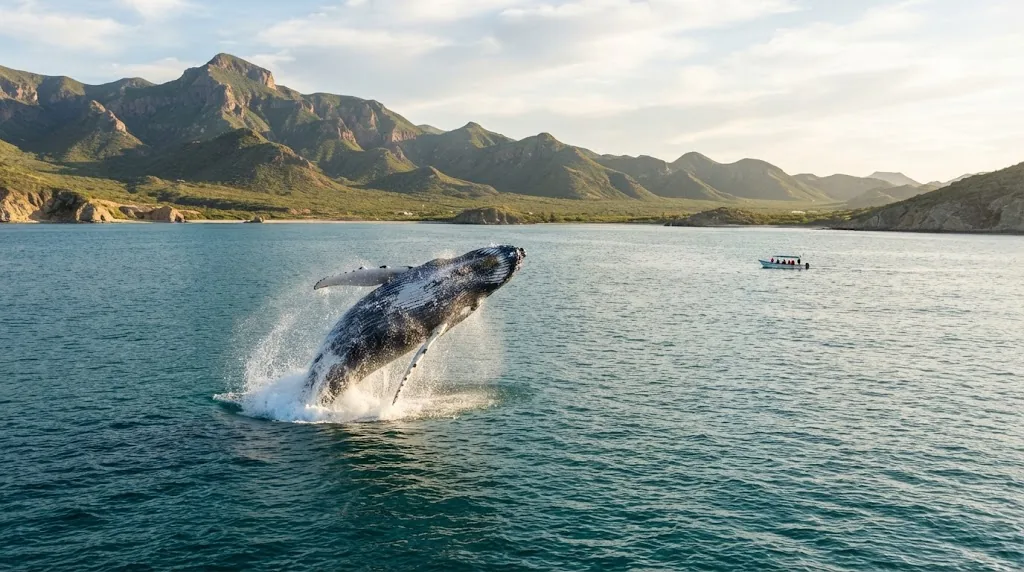
These months also fall inside the humpback whale season in Banderas Bay, which usually runs from about December to March. If seeing whales is high on your list, the best time to visit Puerto Vallarta is late January or February. Full detail is on the February in Puerto Vallarta page.
March and April: the driest and sunniest
March and April are the most reliable months in the data. March has just 0.4 inches (11 mm) of rain on a single day, and April averages essentially none. Sunshine reaches 11.5 and 11.8 hours a day, and highs of 82.6F to 84.4F (28.1C to 29.1C) feel easy thanks to the dry air and cool nights.
The catch is popularity. Spring break and Easter week bring a surge in visitors from Mexico and abroad, especially to the beaches in town. If your dates are flexible, the weeks just after Easter are the sweet spot. Our April weather page has the details.
May: hot and still dry
May is the last dry month and the hottest of the dry season, at 87.3F (30.7C). Rain is still low at 0.6 inches (16 mm), sunshine is 11.8 hours, and crowds thin out once spring break ends. Nights warm up to 70.0F (21.1C). If you like heat, it is a good value month.
The rainy season: June to October
The rains usually start in mid to late June, and June as a whole averages 6.1 inches (155 mm) over 16 days. July, August and September are the heart of the wet season, with 10.1 to 12.0 inches (257 to 305 mm) a month, 25 to 28 rainy days and humidity of 87% to 89%. Most rain falls as evening or night storms, often with thunder and lightning, and mornings can be bright and clear.
The other wet season factor is the eastern Pacific hurricane season, which officially runs from May 15 to November 30. Banderas Bay is somewhat sheltered by its shape and by the mountains, and direct hits are not common, but storms passing along the coast still bring heavy rain and rough seas. September and early October carry the most risk. See September in Puerto Vallarta for that month in detail.
October is a transition: rain falls to 5.4 inches (138 mm) over 18 days, but it is still hot and humid at 86.7F (30.4C) and 86%. By the end of the month the dry season is usually close.
Is the rainy season worth it?
For some travelers, yes. Prices drop sharply, the town is quieter, the jungle around the bay is at its greenest, and the sea is at its warmest. Sea turtle nesting season on this coast also falls in the summer and autumn months, and several local programs release hatchlings on the beaches. Many visitors find that a sunny morning on the beach followed by an evening storm is a perfectly good routine.
Where the rainy season goes wrong is for anyone who dislikes heat. With highs above 87F (31C), nights above 75F (24C) and humidity close to 90%, it feels much hotter than the thermometer says. We would not plan a first visit, a trip with young children or a trip with lots of hiking for July to September.
What a day feels like in each season
Numbers only go so far, so here is how a typical day plays out. In February, you wake to a cool, clear morning around 64F (18C). By late morning it is warm enough for the beach, the afternoon peaks near 81F (27C) with dry air and a sea breeze, and the evening is pleasant enough for a long dinner outdoors with a light layer. Rain is something you rarely think about.
In August, the morning is already warm and sticky, around 76F (25C). By noon it is close to 87F (31C) with 88% humidity, and the shade feels like the only sensible place to be. Clouds build over the mountains during the afternoon, and by evening there is often a heavy storm with thunder over the bay. It usually clears overnight. If that pattern sounds fine to you, the wet season can be the best time to visit Puerto Vallarta for your budget. If it sounds tiring, stick with November to May.
The shoulder months sit in between. In late May and early November the days are hot but the storms are rare, and the town is quieter than at any other time of the dry season. For many repeat visitors those weeks are the best time to visit Puerto Vallarta, because they combine dry weather with lower prices and easy restaurant bookings.
Choosing the best time to visit Puerto Vallarta for your trip
- Best weather overall: March and April. Driest, sunniest and comfortable at night.
- Whale watching: January and February, within a season of roughly December to March.
- Good weather with fewer crowds: November and early December, or the weeks after Easter into May.
- Lowest prices: July to October, if you can handle heat, humidity and storms.
- Hiking and outdoor trips: December to March, when trails are dry and the heat is moderate.
- Families: late December to April lines up with most school breaks and avoids the summer storms.
Puerto Vallarta, Cabo or the Caribbean?
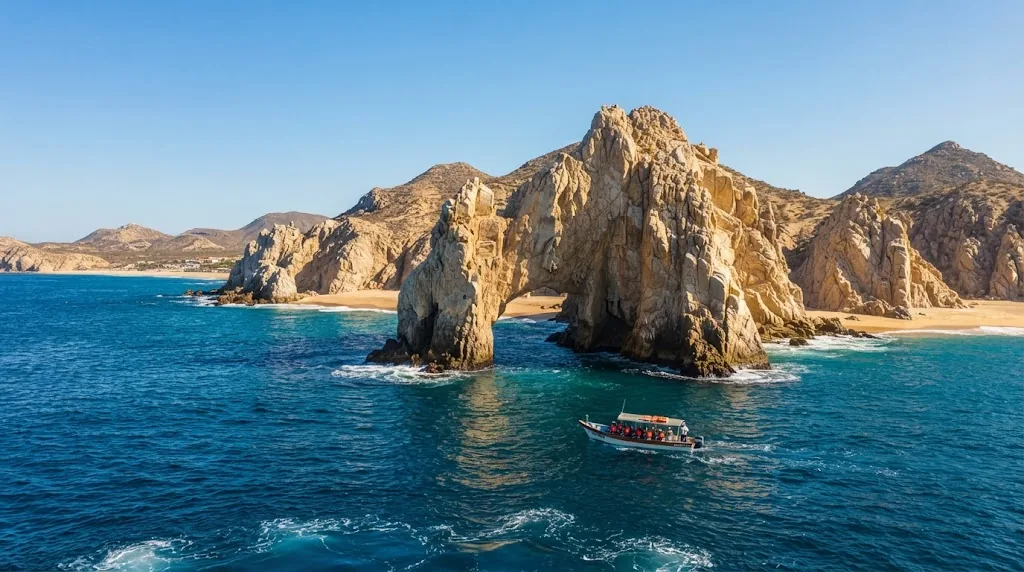
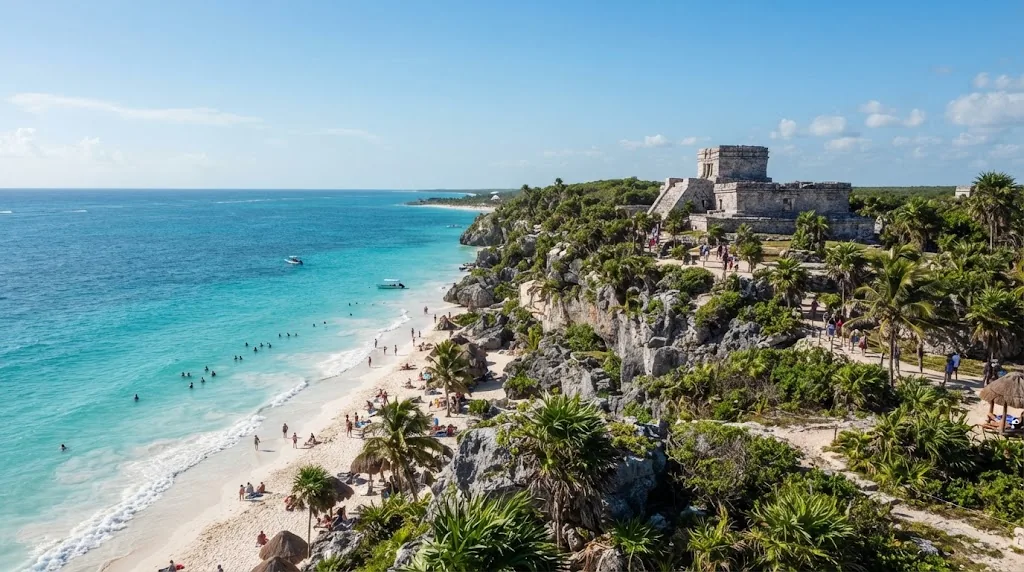
All three are winter favorites, and they differ more than you might think. Cabo San Lucas is drier and has lower humidity, but its winter nights are cooler and many of its beaches are not safe for swimming. Cancun and Tulum have warmer winter seas but more showers in January. Puerto Vallarta sits in the middle: very dry in winter, calm water in the bay, and a real town with cobblestone streets and a lively seafront, not just a hotel strip. For a wider comparison, read our best time to visit Mexico guide. If you are thinking about the Caribbean side, the best time to go to Cancun guide is a good next read.
What to pack for Puerto Vallarta
- November to May: summer clothes, swimwear, sunscreen and a hat, plus a light layer for evenings and boat trips, when it can feel cool. Our what to wear in 80 degree weather guide fits the daytime well.
- June to October: the lightest, fastest-drying clothes you have, a compact umbrella, and insect repellent for the evenings.
- Any month: comfortable shoes with good grip. The old town is hilly, and the cobblestones are slippery after rain.
How we chose these months
Every figure in this guide comes from WeatherApex climate data: daily weather for Puerto Vallarta from 2006 to 2025, averaged by month. We looked at highs, lows, total rain, rainy days, hours of sunshine and humidity, and weighted rain and humidity most heavily. These numbers describe typical conditions, not a forecast. The start of the rains can shift by a couple of weeks, and a single storm can change a week entirely. For every month in detail, see Puerto Vallarta weather by month, or compare dates in the trip planner. For official forecasts and storm warnings, see Mexico's Servicio Meteorológico Nacional.
A last practical note: if you are booking a whale watching tour, morning departures usually have the calmest water in the bay, and they tend to sell out first in February.
Frequently asked questions
What is the best month to visit Puerto Vallarta?
April is the driest month, with essentially no rain, 11.8 hours of sun and a high of 84.4F (29.1C). March is almost as good, with one rainy day and nights of 63.7F (17.6C). Avoid Easter week if you want quieter beaches.
When is the rainy season in Puerto Vallarta?
It runs from about mid-June to October. July to September get 10.1 to 12.0 inches (257 to 305 mm) of rain a month over 25 to 28 rainy days, mostly as evening and night storms.
When can you see whales in Puerto Vallarta?
Humpback whales usually visit Banderas Bay from about December to March. January and February are popular months, with highs near 81F (27C) and only 2 rainy days each.
Is Puerto Vallarta hot in summer?
Yes. Highs reach 87.4F (30.8C) in July and August, nights stay near 76F (24C), and humidity hits 87% to 89%. It feels much hotter than the dry season, even at similar daytime highs.