Warmest Place in Canada: Weather Guide for Travelers
Looking for the warmest place in Canada? Vancouver leads winter with an average January high of 43°F / 6.1°C, while eastern cities heat up in summer.
Finding the Warmest Place in Canada for Your Next Trip
If you want the warmest place in Canada, you are probably looking at Vancouver for a mild winter escape, where January brings an average high of 43°F / 6.1°C and an average low of 34.9°F. Planning a trip north always brings up the big question of temperature, especially for travelers used to milder American climates. You want to know if you need heavy snow boots or just a light jacket. Let us look at the actual numbers across major cities to help you pick the right destination.
Weather patterns across the country vary wildly depending on the season and province. While places like Victoria and the south Okanagan are famous for mild climates, looking at hard data for major hubs gives you a clearer picture of what to expect. Winter brings freezing temperatures to most regions, but summers turn surprisingly warm across the board. Honestly, I would check these averages three times before packing a single bag because Canadian weather does not care about your optimistic expectations.
Packing for a northern trip requires a completely different mindset than heading south to Florida or the Caribbean. You cannot just throw random items into a suitcase and hope for the best. Rain, wind, freezing sleet, and scorching summer sun all play their parts depending entirely on the month and province you pick. Let us break down every single city in the data set so you can make an informed choice.
| Place | Month | Avg high °F/°C | Avg low | Rainy days | Sunshine |
|---|---|---|---|---|---|
| Vancouver | January | 43°F / 6.1°C | 34.9°F | 18 | 3.8 hours a day |
| Vancouver | July | 72.5°F / 22.5°C | 58.6°F | 5 | 13.4 hours a day |
| Toronto | January | 31.3°F / -0.4°C | 19.6°F | 10 | 5.2 hours a day |
| Toronto | July | 78.8°F / 26°C | 64.6°F | 10 | 12.7 hours a day |
| Montreal | January | 23.9°F / -4.5°C | 8.8°F | 11 | 5.3 hours a day |
| Montreal | July | 79°F / 26.1°C | 63.9°F | 12 | 12 hours a day |
| Calgary | January | 29.1°F / -1.6°C | 11.1°F | 4 | 6 hours a day |
| Calgary | July | 73.9°F / 23.3°C | 52.5°F | 11 | 13.5 hours a day |

What Is Winter Actually Like in Vancouver?
Winter in Vancouver feels completely different from the rest of the country. When you check Vancouver in January, you see an average high of 43°F / 6.1°C and an average low of 34.9°F. Honestly, I would skip this one if you hate constant rain, because you get 18 rainy days and only 3.8 hours of sunshine a day during this month. Snow is rare down by the water, but moisture hangs in the air constantly, chilling you straight to the bone.
Packing for this coastal climate means bringing a truly waterproof shell and sturdy shoes. Do not rely on a cute fashion umbrella that will break in the Pacific winds. Locals wear Gore-Tex jackets and waterproof footwear everywhere they go without exception. You should book your waterfront hotel early if you want great views without paying peak holiday rates. A common mistake travelers make is expecting dry cold; the damp chill gets right through thin sweaters and ruins your afternoon walk along the seawall if you are not properly dressed.
Walking through Stanley Park in January brings its own moody charm. Towering evergreen trees drip with moisture, and mist rolls off the gray ocean water. You will find fewer tourists crowding the paths, which makes quiet exploration easy if you do not mind the wet environment. Grab a hot coffee from a local spot and keep moving to stay warm. The 3.8 hours of sunshine a day mean daylight disappears fast, turning the city dark and slick by late afternoon. Plan your outdoor sightseeing for the morning hours when visibility tends to hold steady before afternoon showers roll in off the strait.
Dining out in winter gives you a chance to sample incredible seafood without fighting massive summer crowds. Neighborhoods like Gastown and Yaletown feature cozy brick-walled restaurants where steaming bowls of chowder taste phenomenal. Reservations are still smart for weekend dinners, but weekday walk-ins are usually painless. Bring cash for small artisan markets if you venture into covered neighborhood arcades where local vendors sell hot food and crafts out of the damp winter drizzle.
How Does Toronto Compare During Winter?
Heading east changes the weather game entirely. Toronto in January brings an average high of 31.3°F / -0.4°C and a cold average low of 19.6°F. You will deal with 10 rainy or snowy days and about 5.2 hours of sunshine a day. The wind off Lake Ontario makes the air feel much sharper than the thermometer suggests, cutting right through standard winter coats.
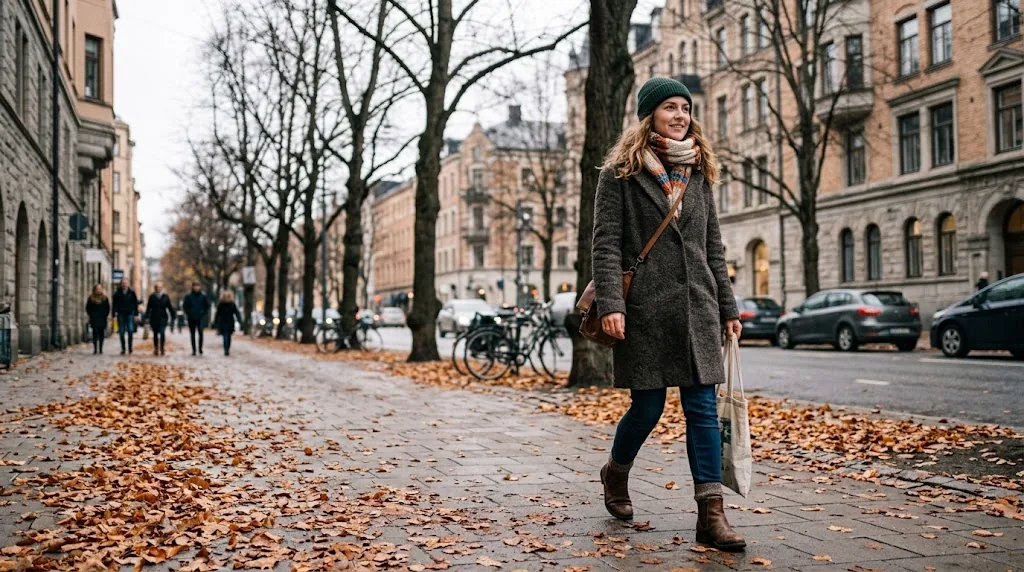
You need a heavy winter parka, thermal layers, gloves, and a good beanie. Walking the city streets requires boots with serious traction because sidewalks turn slick with packed snow and ice. Plan your daytime activities around the afternoon hours when the sun offers a bit of warmth. If you hate freezing winds blowing off large bodies of water, this city in midwinter might test your patience faster than you expect.
Exploring the downtown core in January is an exercise in urban resilience. Locals rely heavily on the PATH network, an underground pedestrian walkway stretching over nineteen miles beneath downtown office towers. You can walk for blocks, shop, and eat without ever stepping foot into the sub-freezing air. Honestly, learning to navigate this underground maze saves your sanity when the temperature drops near zero. Above ground, major attractions like the Hockey Hall of Fame or the Royal Ontario Museum provide hours of indoor warmth away from the lake winds.
Dining in Toronto during winter leans toward hearty comfort food. Neighborhoods like Kensington Market and Koreatown offer incredible warming soups and spicy dishes that reset your internal thermostat instantly. Weekend brunch spots still draw lines, so arriving right when doors open is your best bet for avoiding a long, freezing wait outside. Tipping culture matches the United States, and friendly service is standard across almost every eatery you visit.
Is Montreal Freezing All Winter Long?
Winter in Quebec is no joke. Looking at Montreal in January reveals an average high of just 23.9°F / -4.5°C and an average low plunging to 8.8°F. You get 11 rainy or snowy days and 5.3 hours of sunshine a day. The city handles the snow brilliantly with its underground pedestrian network, but stepping outside requires absolute respect for the severe cold.
Dress in layers that trap heat effectively. Thermal underwear is not optional if you plan on walking around old neighborhoods for hours. Book your indoor dining reservations well in advance because locals pack cozy bistros all season long. A big mistake visitors make is wearing fashion sneakers instead of insulated snow boots rated for sub-zero temperatures, resulting in frozen toes within ten minutes of leaving your hotel lobby.
Old Montreal transforms into a living snow globe in January. Historic stone buildings look stunning dusted with fresh powder, and horse-drawn carriages clop along cobblestone streets lined with flickering gas lamps. Bundle up tightly and you will experience a truly magical winter atmosphere. Ice skating at the Bonsecours Basin offers an unforgettable evening activity under glittering city lights, though you will definitely need a warm scarf pulled up over your nose and mouth.
Food culture here revolves around rich, comforting French-Canadian classics. Poutine joints and upscale bistros serve heavy, satisfying meals designed to combat the freezing climate outside. Pair your meal with a hot drink or local cider to warm up completely. English is widely spoken in tourist areas, but learning a few basic French phrases like bonjour and merci goes a long way with local service staff.
What Should You Expect from Calgary in January?
Prairie winters bring their own unique character. Calgary in January features an average high of 29.1°F / -1.6°C and an average low of 11.1°F. Interestingly, you only see 4 rainy or snowy days, but you enjoy 6 hours of sunshine a day. Dry air and bright skies make the winter days feel deceptively pleasant until a sudden gust kicks up.
Keep an eye on local forecasts for chinook winds that can send temperatures soaring unexpectedly in the middle of winter, melting snowbanks in a matter of hours. Layering is key because you might sweat during a sunny afternoon walk and freeze once the sun drops behind the horizon. Pack sunglasses because the snow reflection under those 6 hours of sunshine is blindingly bright against the white ground.
Downtown Calgary features the +15 network, an extensive system of elevated enclosed walkways connecting buildings second-story style across the core. This system lets you navigate the city center without facing the biting prairie winds head-on. If you want outdoor adventure, head west toward the Rocky Mountains for world-class skiing and winter hiking, keeping in mind that mountain weather shifts rapidly from calm sunshine to heavy snow flurries without warning.
Evening dining in the Beltline or downtown districts offers everything from high-end Alberta beef steakhouses to casual craft breweries. Book your table ahead of time for popular weekend spots, especially during festival weeks. Tipping follows standard North American percentages, and service staff are exceptionally welcoming to American travelers looking for local recommendations.
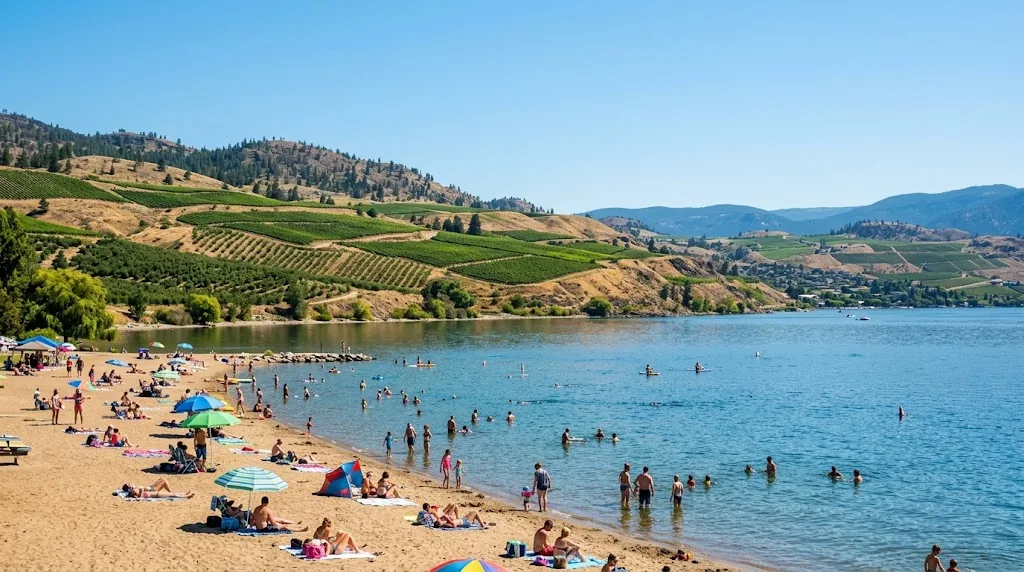
Which City Wins the Warmest Place in Canada Battle in July?
Summer flips the script completely across the nation. If you want the warmest place in Canada during peak summer, eastern cities take a clear lead over the coast. Montreal in July reaches an average high of 79°F / 26.1°C with an average low of 63.9°F, alongside 12 rainy days and 12 hours of sunshine a day. Humidity can make it feel much hotter, turning walking tours into sweaty endeavors.
Similarly, Toronto in July hits an average high of 78.8°F / 26°C and an average low of 64.6°F, with 10 rainy days and 12.7 hours of sunshine a day. These months bring lively patio culture and vibrant outdoor festivals. You should pack light, breathable cotton clothes and sunscreen. Book your summer stays months ahead because festivals fill up hotels fast, and waiting until the last minute leaves you paying exorbitant rates.
Meanwhile, Vancouver in July stays remarkably comfortable with an average high of 72.5°F / 22.5°C and an average low of 58.6°F. With only 5 rainy days and 13.4 hours of sunshine a day, it is arguably the most pleasant summer climate in the country. Calgary in July offers an average high of 73.9°F / 23.3°C and an average low of 52.5°F, with 11 rainy days and 13.5 hours of sunshine a day, providing warm afternoons and refreshingly cool sleeping conditions at night.
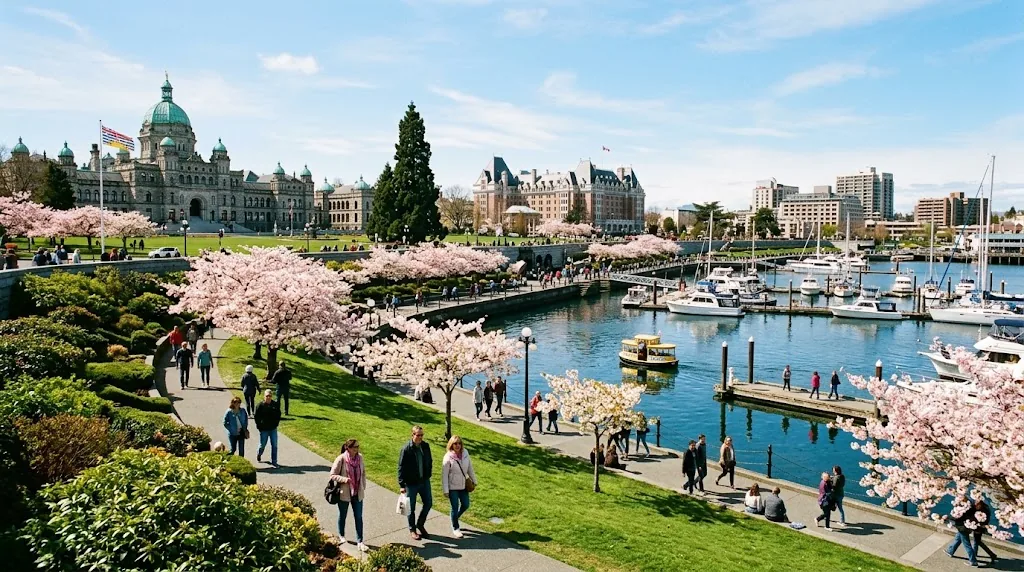
Summer in Vancouver means spending every possible minute outdoors. Beaches like Kitsilano and English Bay fill up with locals playing volleyball, swimming in the chilly ocean, or watching fiery sunsets over the Pacific. Hiking trails in the nearby North Shore mountains dry out completely by July, giving you access to stunning alpine viewpoints without dealing with mud or snow. Pack a light jacket for late-night strolls along the waterfront because temperatures drop quickly once the sun dips below the horizon.
Toronto in July pulses with festival energy. Neighborhoods host outdoor music events, street markets, and food fairs nearly every weekend. Lake Ontario breezes help cool down the downtown streets, but heavy afternoon sun can bake asphalt parking lots. Grab a patio seat in the Distillery District for dinner, but be prepared to wait during peak evening hours. Booking your accommodation near transit lines saves you from dealing with notorious summer traffic congestion.
Montreal summer culture is legendary for its open-air celebrations. Street festivals, jazz events, and outdoor art installations take over the city center, making July an electric time to visit. Sidewalk cafes spill onto every available square foot of pavement, and locals make the most of the 12 hours of sunshine a day. Keep a water bottle handy and pace yourself during afternoon walking tours because mid-summer humidity packs a serious punch.
Calgary summer days stretch out endlessly under bright prairie skies. With 13.5 hours of sunshine a day, you have plenty of daylight to explore Prince's Island Park or take a day trip out to Banff National Park. Evenings cool down to an average low of 52.5°F, which makes sleeping with the window cracked open absolute perfection after a long day of outdoor hiking or city sightseeing.
Practical Tips for Planning Your Canadian Trip
Planning a trip requires looking beyond just the monthly averages. Use the trip planner tool on this site to map out your exact itinerary based on seasonal weather shifts. Always check official resources like Environment and Climate Change Canada for up-to-the-minute forecasts before heading out. For broader travel inspiration, take a look at guides provided by Destination Canada.
A common pitfall is underestimating how fast mountain weather changes in western regions. Even in July, Calgary evenings drop down to an average low of 52.5°F, meaning you always need a light jacket after dark. On the flip side, eastern cities in July trap humidity, so staying hydrated is essential while exploring on foot. Pack smart, respect local climate quirks, and you will have an incredible journey.
Crossing the border from the United States is straightforward for most travelers, but you must ensure your passport is valid for the duration of your stay. Currency exchange is easy, with most places accepting credit cards for even small purchases, though carrying a small amount of Canadian cash for remote parking meters or street vendors is never a bad idea. Cell phone roaming plans usually work across the border with major US carriers, but checking your data caps before leaving prevents costly surprise bills on your return.
Transportation choices depend entirely on where you travel. Vancouver and Toronto feature fantastic public transit networks that make renting a car unnecessary if you are staying strictly downtown. Montreal subways get you across the city quickly, while Calgary and rural exploration work much better when you rent a vehicle. Keep safety in mind during winter driving conditions, as black ice on highways catches unprepared drivers off guard every single year without fail.
Frequently asked questions
What is the warmest place in Canada during winter?
Vancouver is the warmest major city in Canada during winter, featuring a January average high of 43°F / 6.1°C and an average low of 34.9°F, though it experiences high rainfall with 18 rainy days and 3.8 hours of sunshine a day.
Which Canadian city is warmest in July?
Montreal and Toronto lead the summer warmth among major hubs. Montreal in July has an average high of 79°F / 26.1°C and a low of 63.9°F, while Toronto sees an average high of 78.8°F / 26°C.
How cold does Toronto get in January?
Toronto in January experiences an average high of 31.3°F / -0.4°C and a cold average low of 19.6°F, accompanied by 10 rainy or snowy days and 5.2 hours of sunshine a day.
What can I expect from Calgary weather in summer?
Calgary in July offers pleasant summer weather with an average high of 73.9°F / 23.3°C, an average low of 52.5°F, 11 rainy days, and 13.5 hours of sunshine a day.