What to Wear Running in 50 Degree Weather: A Runner's Practical Guide
Wondering what to wear running in 50 degree weather? Discover how to dress for 10.6°C temperatures with expert tips on layering, rain, and cities.
What to wear running in 50 degree weather
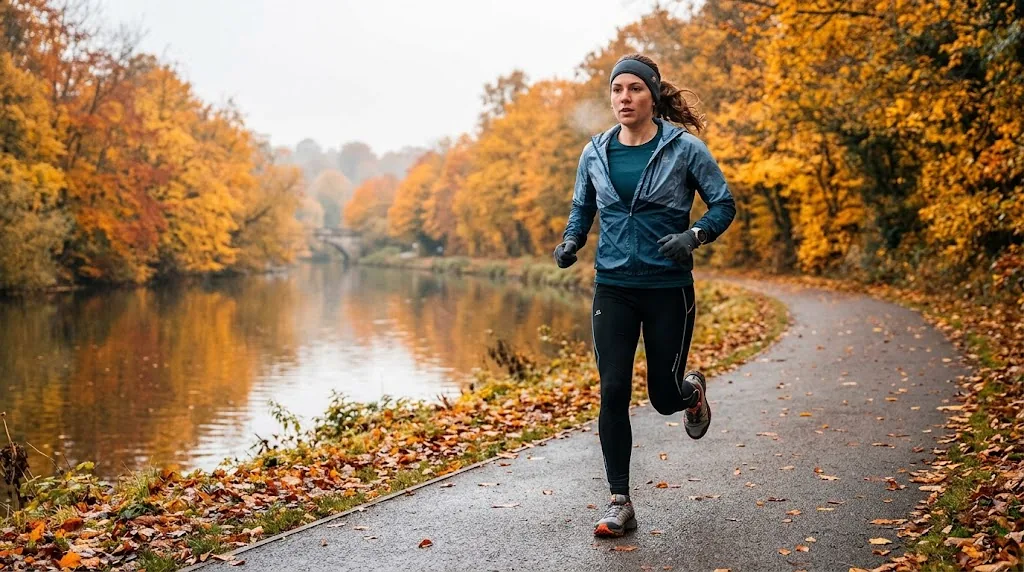
Figuring out what to wear running in 50 degree weather usually comes down to dressing for a temperature that feels about 20 degrees warmer once you get moving. When you step outside into a crisp 10.6°C (51.1°F) morning in Seattle, USA — March, you are going to feel that chilly bite right away, but give yourself ten minutes of pounding the pavement and your body engine will be running hot.

Most runners make the big mistake of bundling up too much because 50 degrees sounds cold on paper. If you dress like you are standing still at a bus stop, you will end up soaked in sweat halfway through your first mile. Let's break down how to get your layers right so you stay comfortable from your first stride to your final cooldown.
Dressing for exercise in the low fifties takes a bit of trial and error. You want clothes that block the worst of the breeze without trapping your sweat. Too many layers and you feel like a sauna. Too few layers and your skin stings during the first three blocks. Experience teaches you to lean toward feeling slightly chilly during your warm-up walk. If you feel warm at your front door, you are wearing too much. Honestly, I would rather freeze for five minutes than carry a heavy jacket for six miles.
What to Wear Running in 50 Degree Weather: The Quick Answer
Planning a trip and want to squeeze in some miles abroad or across the country? Fifty-degree weather is a staple of spring and late autumn in many major destinations. Here is how your favorite cities stack up based on 20-year climate averages from 2006 to 2025.
| Place | Month | Avg high °F/°C | Avg low | Rainy days | Sunshine |
|---|---|---|---|---|---|
| Seattle, USA | March | 51.1°F / 10.6°C | 37.9°F | 17 | 7.4 hours |
| London, UK | March | 51.3°F / 10.7°C | 37.9°F | 11 | 7.1 hours |
| London, UK | November | 51.4°F / 10.8°C | 41.5°F | 12 | 4.4 hours |
| Amsterdam, Netherlands | November | 50°F / 10°C | 42.3°F | 14 | 4.3 hours |
| Paris, France | November | 52.2°F / 11.2°C | 42.1°F | 12 | 4.5 hours |
| Seattle, USA | November | 49.8°F / 9.9°C | 40.6°F | 18 | 4.7 hours |
| New York, USA | March | 49.5°F / 9.7°C | 32.5°F | 10 | 8.3 hours |
| Amsterdam, Netherlands | March | 49.3°F / 9.6°C | 37.8°F | 11 | 7.7 hours |
| New York, USA | November | 53.1°F / 11.7°C | 39°F | 8 | 6.8 hours |
Checking out these tables makes it pretty clear that if you head to Seattle, USA — November, where highs average 49.8°F / 9.9°C with 18 rainy days, waterproof gear is going to be your best friend. Honestly, I would skip outdoor running entirely if you despise soggy socks and steady drizzles, but proper kit keeps you dry enough.
Every city on this list brings a distinct running personality. Take London, UK — March, which serves up an average high of 51.3°F / 10.7°C, an average low of 37.9°F, 11 rainy days, and 7.1 hours of sunshine daily. Strolling along the Thames path or tackling Hyde Park feels brilliant when the sun breaks through, but those 11 rainy days mean your shoes will spend half the week drying out in your hotel bathroom. Pack two pairs of trainers if you plan to log serious miles across the pond.
Shift your gaze to London, UK — November, where the high nudges up slightly to 51.4°F / 10.8°C and the low sits at 41.5°F. You get 12 rainy days and a meager 4.4 hours of sunshine. The days shrink fast, turning evening jogs into pitch-black affairs past glowing historic pubs. The air feels heavier here, carrying that classic damp chill that sinks straight into your bones if you stop moving.
Cross the North Sea to Amsterdam, Netherlands — November. The thermometer hovers right at an average high of 50°F / 10°C, a low of 42.3°F, 14 rainy days, and just 4.3 hours of sunshine. Running along the canals in November requires high-visibility clothing because the mist rolls off the water by late afternoon and cyclists own the pavement. Watch your footing on wet brick bridges.
Heading south to Paris, France — November lifts your spirits with an average high of 52.2°F / 11.2°C, a low of 42.1°F, 12 rainy days, and 4.5 hours of sunshine. Tossing on a lightweight top and shorts feels amazing while cruising down the Seine embankments before the tourist crowds clog the sidewalks. Paris in late autumn smells like roasted chestnuts and damp leaves, creating an incredible sensory backdrop for long weekend runs.
Back in the Pacific Northwest, Seattle, USA — November drops down to an average high of 49.8°F / 9.9°C and an average low of 40.6°F. Prepare yourself for 18 rainy days and 4.7 hours of sunshine. If you love moody evergreen forests and misty park trails, Discovery Park delivers unmatched views, but you will need a proper shell to survive the constant drizzle.
East Coast cities tell a colder story. New York, USA — March records an average high of 49.5°F / 9.7°C, but watch out for that bitter average low of 32.5°F. You get 10 rainy days and an impressive 8.3 hours of sunshine. Early morning runs through Central Park require respect for frozen puddles and biting winds cutting off the reservoir.
Over in the Netherlands during spring, Amsterdam, Netherlands — March averages a high of 49.3°F / 9.6°C, a low of 37.8°F, 11 rainy days, and 7.7 hours of sunshine. Tulips are just starting to poke through, and the crisp spring air energizes your morning tempo runs through Vondelpark.
Closing out the circuit, New York, USA — November offers one of the warmest daytime profiles with an average high of 53.1°F / 11.7°C, an average low of 39°F, just 8 rainy days, and 6.8 hours of sunshine. Honestly, New York autumn running is hard to beat when the fall foliage peaks in upper Manhattan.
Should You Wear a Long Sleeve or Short Sleeve Shirt?
The eternal debate hits hard at the 50-degree mark. Short sleeves work great if you run hot and plan on tackling a fast tempo workout or a hard interval session. Long sleeves win out if you are heading out for an easy, conversational recovery jog or stepping outside during the chilliest part of the day.
Layering offers a smart middle ground. Throwing a lightweight, wind-resistant vest over a short-sleeve technical tee gives your core the protection it craves without trapping too much heat in your arms. Once your upper body warms up, you can easily pull down a quarter-zip if you went with a long-sleeve base layer.
Material choice makes or breaks this decision. Leave cotton shirts at home because they absorb sweat and cling to your skin like ice packs. Technical synthetic blends or lightweight merino wool pull moisture away from your torso instantly. If you run in London, UK — November with its 4.4 hours of sunshine, a bright yellow or orange long-sleeve top also keeps you visible to cars navigating gloomy afternoon gloom.
Are Shorts Still Acceptable or Should You Switch to Tights?
Legwear preferences at this temperature depend entirely on your personal cold tolerance. Plenty of runners stick to standard running shorts down into the upper 40s because your legs generate massive amounts of thermal energy while churning out strides. If you start feeling stiff in the hamstrings during your warm-up walk, pull on some lightweight capris or full-length running tights.
Windchill changes the math instantly. If you are logging miles in London, UK — November, where the average low dips to 41.5°F alongside 12 rainy days, bare legs can feel remarkably sharp during the first mile. A pair of thin, wind-blocking tights keeps your joints happy and prevents that tight, wooden feeling in your quads.
Tights also prevent painful chafing caused by friction when rain splashes up against your thighs. If you visit Amsterdam, Netherlands — November with its 14 rainy days, half-tights or compression shorts worn under unlined running shorts provide a fantastic compromise for runners who refuse to wear full-length pants.

Do You Need Gloves and Hats in 50-Degree Weather?
Fingers and ears love to betray you when the thermometer sits near 10 degrees Celsius. While you definitely do not need heavy wool beanies or thick ski mittens, a thin pair of liner gloves makes a massive difference during the first fifteen minutes of your route. You can easily slip them off and tuck them into your waistband once your blood starts pumping.
A lightweight running beanie or a moisture-wicking headband keeps sweat out of your eyes and protects your ears from a sharp breeze. Cities like New York, USA — March feature an average low of 32.5°F even though daytime highs creep up near 49.5°F / 9.7°C. If you head out early in the morning when the temperature sits closer to that freezing low, a hat is mandatory gear.
Extremities lose heat rapidly when ambient humidity climbs or winds pick up speed. Stashing a pair of cheap stretchy gloves in your pocket takes zero effort and saves your fingers from going numb during early morning miles in Seattle, USA — March.
How Do You Handle Rain and Wind on Your Run?
Water resistance matters just as much as thermal insulation when you travel. Heading over to Amsterdam, Netherlands — November means dealing with an average high of 50°F / 10°C, a chilly low of 42.3°F, and 14 rainy days. A bulky rain jacket will turn into a portable sauna in minutes, trapping sweat against your skin and chilling you to the bone.
Invest in a truly breathable, featherlight shell that blocks wind and repels light mist. Wind hurts worse than rain because it strips away your warm microclimate instantly. If you want to dive deeper into general packing strategies for this climate bracket, check out our guide on what to wear in 50 degree weather for everyday walking and sightseeing.
Rain management also requires thinking about your feet. When you run through 18 rainy days in Seattle, USA — November, standard mesh running shoes let water soak through instantly. Trail running shoes with Gore-Tex membranes keep puddles out, though they dry slowly once water enters from the ankle collar.
Should You Change Your Outfit Based on Morning Versus Midday?
Timing your run dictates your entire wardrobe. Midday runs in Paris, France — November hit a comfortable average high of 52.2°F / 11.2°C with 4.5 hours of sunshine, making standard shorts and a t-shirt feel like absolute luxury. Early morning runs require an extra layer that you can shed or stash.
Dressing for the temperature fifteen minutes into your run ensures you avoid overheating. If you feel slightly chilly standing at your front door, your layering strategy is spot on. If you feel warm and cozy before you even start jogging, you are wearing too much clothes.
Sun angle plays a massive role in how warm a 50-degree day feels. Running during peak sunshine hours in New York, USA — March with its 8.3 hours of sunshine feels completely different than slogging through the damp shadows in London, UK — November under 4.4 hours of light.
What Should You Wear on Race Day in These Conditions?
Race day brings a whole different set of psychological hurdles. Standing in a crowded start corral for thirty motionless minutes while the air temperature hovers near 49.3°F / 9.6°C in Amsterdam, Netherlands — March will make you feel freezing cold. Never wear your good race outfit while shivering in the starting pen.
Grab an old thrift-store sweatshirt or a cheap disposable trash bag to wear over your running gear while you wait for the starting gun. Toss it into the designated recycling bins right as you cross the start line. For race kits in these temperatures, stick to a singlet or short-sleeve top paired with shorts or half-tights, letting the crowd energy and race pace keep you warm.
Before you finalize your travel itinerary or lace up your shoes for a destination race, take a look at our trip planner tool to map out local routes and forecast details. For official climate tracking data and meteorological definitions, you can consult the National Centers for Environmental Information. To check local tourism tips and municipal updates, visit the Official Visitor Guide for London.
Frequently asked questions
Is 50 degrees too cold for running shorts?
Not at all, because your legs generate substantial body heat once you get moving. Many runners comfortably wear shorts down into the upper 40s. If you feel stiff during warm-ups in Seattle, USA — November where highs average 49.8°F / 9.9°C, switch to lightweight tights.
Should I wear a jacket on a 50 degree run?
A heavy jacket will cause you to overheat quickly. Instead, opt for a breathable windbreaker or a lightweight running vest if it is breezy or damp during your route in London, UK — March where highs reach 51.3°F / 10.7°C.
Do I need gloves and a hat in 50 degree weather?
Thin liner gloves and a lightweight headband are great for the first ten minutes before your body warms up. This is especially helpful during morning runs in New York, USA — March, where morning temperatures sit near the 32.5°F average low.
How do I dress differently for morning versus midday runs?
Midday runs in Paris, France — November hit an average high of 52.2°F / 11.2°C, requiring minimal layers like shorts and a short-sleeve tee. Early mornings require an extra long-sleeve layer or throwaway gear to combat the chill.