Best Time to Visit Panama: Dry Season, Wet Season and Months to Skip
The best time to visit Panama is January to March, when Panama City gets only 0.8 to 1.2 inches of rain a month and nearly 11 hours of sun. From May to November, rain falls on most days.
The best time to visit Panama is the dry season, from January to March. Panama City averages only 0.8 to 1.2 inches (20 to 31 mm) of rain a month in that window, with 5 to 7 rainy days and nearly 11 hours of sunshine a day. From May to November the picture flips: rain falls on almost every day and monthly totals climb past 10 inches.
Heat is not really the variable here. Panama sits close to the equator, so highs stay between about 83F and 88F (28C and 31C) all year. What changes is the rain, the sunshine and the humidity, and those three decide whether your days are spent outside or waiting under a café awning for a storm to pass.
Best time to visit Panama at a glance
The table below shows WeatherApex 20-year averages (2006 to 2025) for Panama City, on the Pacific side. Most visitors start or end here, and the Pacific coast, the Canal and the central highlands follow broadly the same dry and wet seasons. The Caribbean coast is different, and we cover it separately below.
| Month | Avg high F (C) | Avg low F (C) | Rain (in / mm) | Rainy days | Sun hours per day | Humidity |
|---|---|---|---|---|---|---|
| January | 85.8 (29.9) | 75.4 (24.1) | 1.2 / 31 | 7 | 10.8 | 79% |
| February | 87.3 (30.7) | 75.4 (24.1) | 0.8 / 20 | 5 | 10.9 | 75% |
| March | 88.3 (31.3) | 75.7 (24.3) | 0.8 / 21 | 7 | 11.0 | 74% |
| April | 87.6 (30.9) | 76.3 (24.6) | 4.1 / 104 | 17 | 10.6 | 79% |
| May | 84.9 (29.4) | 76.3 (24.6) | 9.5 / 241 | 29 | 8.9 | 88% |
| June | 84.2 (29.0) | 75.9 (24.4) | 10.4 / 265 | 29 | 8.1 | 89% |
| July | 84.4 (29.1) | 75.6 (24.2) | 11.8 / 300 | 30 | 7.5 | 89% |
| August | 84.0 (28.9) | 75.4 (24.1) | 10.9 / 277 | 30 | 7.9 | 89% |
| September | 84.0 (28.9) | 75.6 (24.2) | 10.8 / 275 | 30 | 8.3 | 90% |
| October | 83.3 (28.5) | 75.0 (23.9) | 11.0 / 280 | 30 | 8.5 | 90% |
| November | 82.9 (28.3) | 74.8 (23.8) | 11.6 / 295 | 28 | 8.4 | 90% |
| December | 84.6 (29.2) | 75.2 (24.0) | 4.6 / 117 | 19 | 10.2 | 85% |
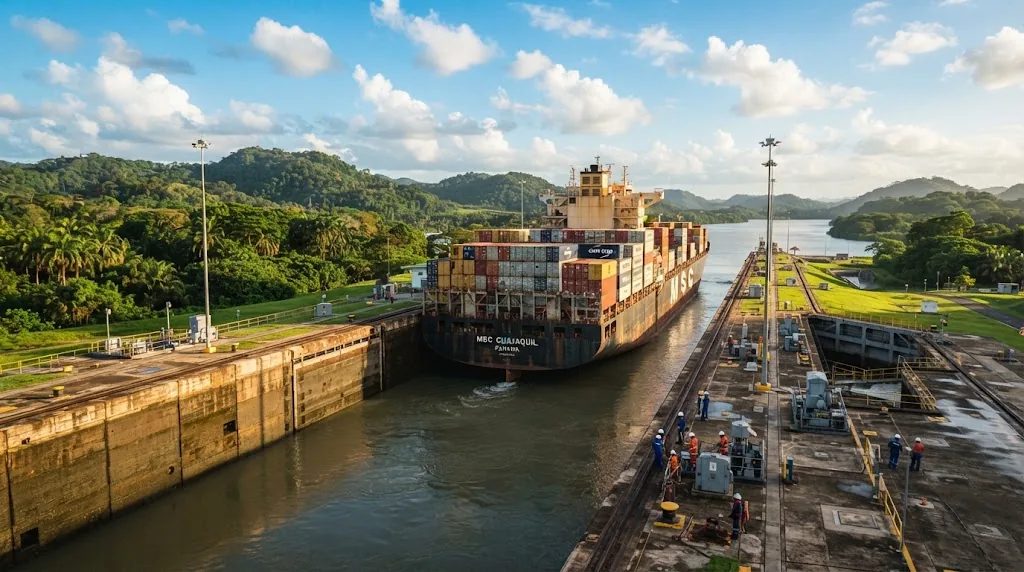
The split is stark. February has 0.8 inches (20 mm) of rain over 5 days. July has 11.8 inches (300 mm), and from May to October the data records some rain on 29 to 30 days a month. That does not mean it pours all day. Wet season rain in Panama City usually arrives as a heavy afternoon or evening storm after a clearer morning. But it does mean you plan around it every single day.
The dry season: mid December to April
January and February: our pick
January and February are the most reliable months. January averages 85.8F (29.9C) with 10.8 hours of sun, and February is even drier, with 0.8 inches of rain and 75% humidity. The trade winds pick up in these months, so the heat feels lighter than the numbers suggest, especially on the waterfront and the islands.
These are also the busiest months for tourism, and Carnival (usually in February or early March, depending on the date of Easter) fills hotels across the country. Book early if your dates overlap. Full detail is on the Panama City in February page.
March and April: hotter, then the turn
March is the hottest month at 88.3F (31.3C), and also the sunniest at 11 hours a day, with humidity at its yearly low of 74%. If you handle heat well, it is an excellent month, with slightly smaller crowds than February. See March in Panama City for the numbers.
April is a transition. It starts dry and often ends wet: the monthly total jumps to 4.1 inches (104 mm) and rainy days climb to 17. Early April is still a good bet. Late April is a gamble.
The wet season: May to November
May is when the rains arrive properly, with 9.5 inches (241 mm) and humidity jumping to 88%. From then until November, Panama City sees 10.4 to 11.8 inches (265 to 300 mm) a month and humidity of 89% to 90%. Sunshine drops to between 7.5 and 8.9 hours a day.
Is it worth going? It can be, with the right expectations. Mornings are often bright, the forests are green, and prices fall. The Panama Canal works the same in any weather. Many travelers find a pattern of morning sightseeing and afternoon downtime easy to live with. What we would avoid is a wet season trip built around long boat transfers, open water snorkeling or multi-day hikes, where a daily storm costs you real time.
October and November are usually the wettest-feeling months in Panama City: 11.0 and 11.6 inches (280 and 295 mm), with 90% humidity and around 8.5 hours of sun. If we had to rank the wet months, June and July are a little easier than October and November because daylight sunshine is longer and the rain tends to arrive later in the day. The October weather page shows how heavy it gets.
December: the shoulder month worth watching
December sits in between. Rain falls to 4.6 inches (117 mm) over 19 days, and sunshine recovers to 10.2 hours. In many years the dry season begins around mid-December, so the second half of the month is usually much better than the first. Christmas and New Year are busy and expensive, so if you are flexible, the first two weeks of January give you drier weather with fewer holiday crowds. More on the December weather in Panama City page.
The Caribbean side runs on a different clock
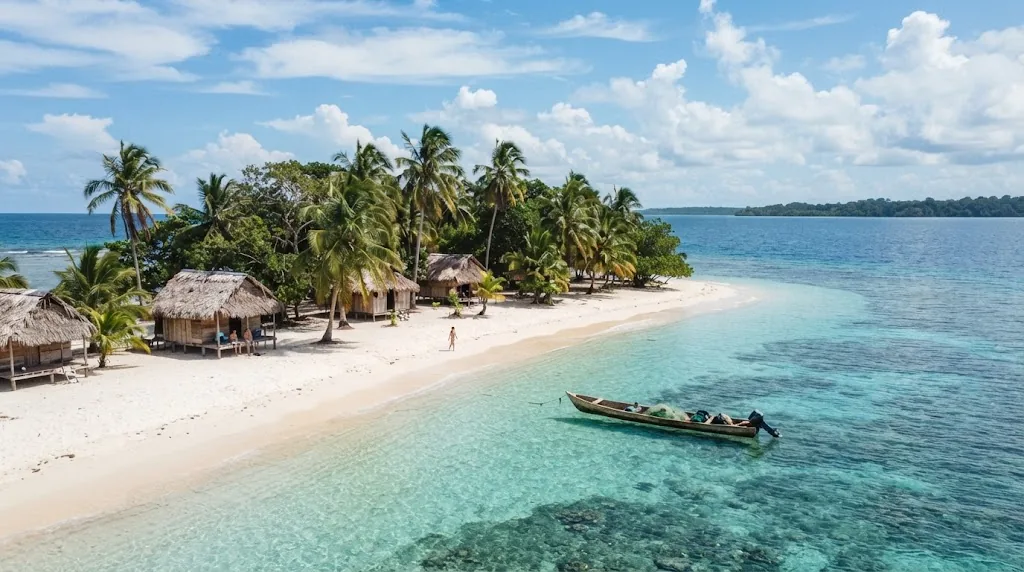
Panama has two coasts, and they do not share a rainy season. Bocas del Toro and the Caribbean coast stay fairly wet all year, without the long dry season that the Pacific side gets. They are usually at their driest around September and October, which is exactly when Panama City is at its wettest, and they often see a second, shorter drier spell around February and March. The San Blas islands (Guna Yala), also on the Caribbean side, are generally best in the first months of the year, when seas are calmer for the boat trips.
We do not have Bocas or San Blas figures on WeatherApex yet, so treat this as the general pattern rather than hard numbers. In practice it means a wet season trip to Panama can still include good beach days if you head to the Caribbean side in September or October.
Choosing the best time to visit Panama for your trip
- First trip, city plus Canal plus islands: January to March. Driest weather, sunniest days, calmest seas on the Pacific side.
- Lowest prices: May to November. Expect daily storms, but hotels and tours cost less and attractions are quieter.
- Bocas del Toro beaches: September and October are usually the best months on the Caribbean side.
- Hiking in the highlands: January to April, when trails are drier and views over the cloud forest are clearer.
- Avoiding crowds without the worst rain: early December or the second half of April. Both are shoulder periods with mixed weather.
- Families on school holidays: late December to February fits most school calendars and lines up with the dry season.
A good thing about Panama: it sits south of the main hurricane belt, so tropical storms that trouble the northern Caribbean rarely hit it directly. The wet season is about daily rain, not storm cancellations. If you are weighing Panama against its neighbor, our best time to visit Costa Rica guide covers a very similar dry and green season split.
Is the wet season ever the best time to visit Panama?
For a few kinds of trip, yes. Humpback whales usually visit the Pacific waters around the Pearl Islands and the Gulf of Chiriquí from about July to October, so the green season is the best time to visit Panama if whale watching is the main goal. Boat trips go out in the morning, before the afternoon storms build.
Rainforest lovers also do well. Soberanía National Park and the forests along the Canal are at their greenest from June onward, rivers run high, and birding near the city stays good all year. You will get wet, but the mornings are often the best light of the day. Budget travelers come out ahead too: rooms and tours tend to cost less once the dry season ends, and you rarely need to book far ahead.
Where the wet season really costs you is island hopping on the Pacific side and long road days, when a heavy storm can slow traffic and cancel small boat trips. If those are central to your plans, the dry months are still the right call.
A simple way to plan around the rain
If you end up traveling between May and November, a few habits make a big difference. Start early, because the morning is usually the clearest part of the day. Book tours with morning departures. Keep a rainy afternoon plan in your pocket: the Canal visitor center, the museums in Casco Viejo, or simply a long lunch. And leave a spare day in any itinerary that depends on boats, so one stormy afternoon does not wreck the trip.
What to pack
- Any month: breathable, quick-drying clothes, a sun hat, strong sunscreen and insect repellent. Highs never drop below 82F (28C), so leave heavy layers at home. Our what to wear in 80 degree weather guide applies all year.
- Wet season: a light rain jacket or compact umbrella, sandals that can get wet, and a dry bag for phones on boat trips.
- Highlands: a light sweater. Mountain towns are much cooler than the coast, especially at night.
- Indoor plans: air conditioning in malls, museums and hotels is often strong, so a thin layer helps.
When we would not go
We would skip October and November for a first trip to the Pacific side and the city. They combine the heaviest rain with the highest humidity and some of the shortest sunny hours of the year. If those are your only dates, base yourself on the Caribbean side instead, or build a city trip with flexible afternoons. We would also be cautious about late April and May if you have boat trips or long hikes planned, since the start of the rains is hard to time.
About these numbers
All figures come from WeatherApex climate data: daily weather for Panama City from 2006 to 2025, averaged by month. A "rainy day" is any day with measurable rain, even a short shower, which is why wet season months show 29 or 30 of them. These are typical conditions, not a forecast, and the start and end of the dry season can shift by a few weeks from year to year. For the full picture see Panama City weather by month or compare dates with our trip planner. For official local forecasts, see the Instituto de Meteorología e Hidrología de Panamá (IMHPA).
If your dates are fixed in the wet season, plan your big outdoor days for the morning, keep afternoons loose, and you will still see most of what Panama has to offer.
Frequently asked questions
What is the best month to visit Panama?
February is the most reliable month. Panama City averages just 0.8 inches (20 mm) of rain over 5 rainy days, with 10.9 hours of sun and 75% humidity. January and March are nearly as good.
When is the rainy season in Panama?
On the Pacific side it runs from May to November. Panama City gets 9.5 to 11.8 inches (241 to 300 mm) of rain a month in that period, usually as afternoon or evening storms. The Caribbean side follows a different pattern and is often driest in September and October.
Is Panama hot all year?
Yes. Panama City highs range from 82.9F (28.3C) in November to 88.3F (31.3C) in March, and nights stay around 75F (24C). Humidity is the bigger difference, from 74% in March to 90% in the wettest months.
Does Panama get hurricanes?
Rarely. Panama lies south of the main Atlantic hurricane belt, so direct hits are uncommon. The wet season brings heavy daily rain rather than storm cancellations.